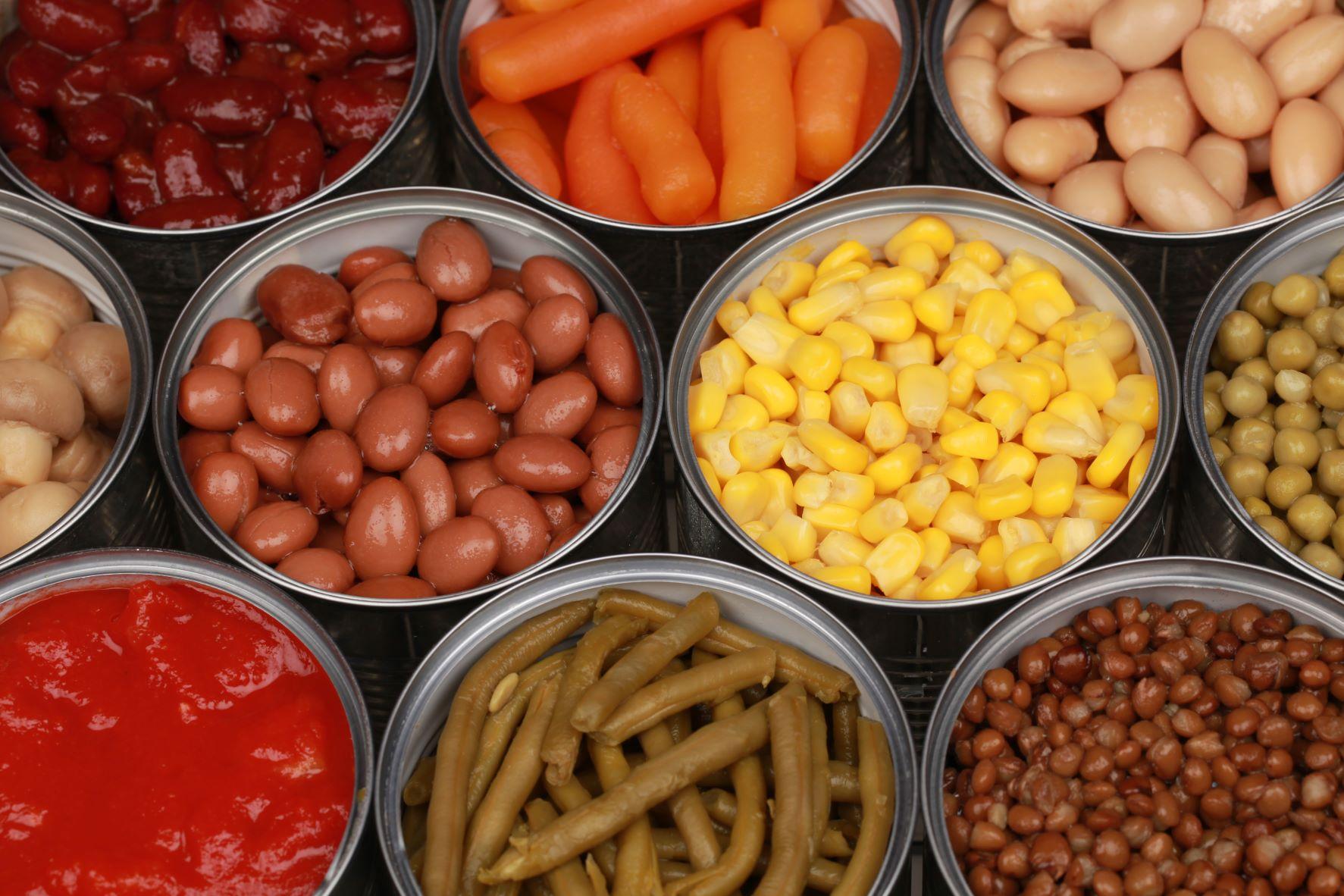

Best practices for what can be donated
Yes. The quality of perishable products may deteriorate after the date passes, but the products should still be wholesome if not showing signs of spoilage. Food banks, other charitable organizations, and consumers should evaluate the quality of the product before its distribution and consumption to determine whether there are noticeable changes in wholesomeness.
Again, expired food: Can be donated, but for quality and nutritional value, consider the following:
- Commercially processed high-acid canned foods such as tomatoes and other fruit will keep their best quality up to 18 months
- Commercially processed low-acid canned foods such as meat and vegetables, 2 to 5 years
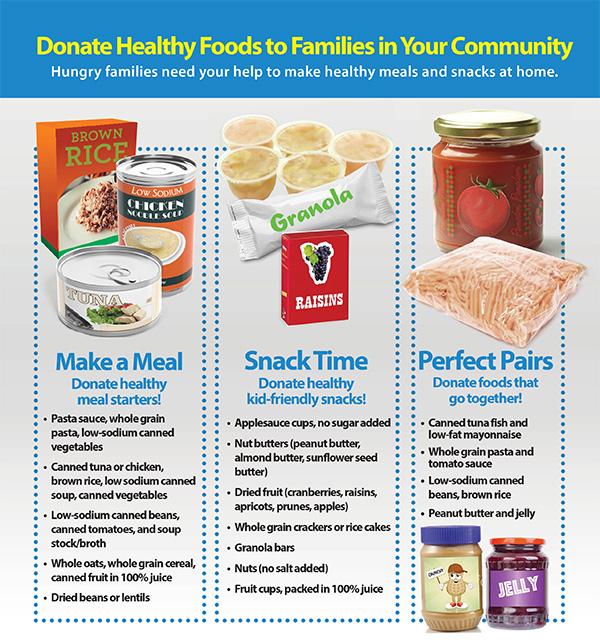
What NOT to donate to a food assistance site
- Items needing refrigeration: Foods like meat, dairy, cut/sliced produce can spoil quickly, and these sites may not have the ability to safely store food
- Home-canned foods should not be donated, due to botulism risks (a rare but serious illness)
- Leftovers: It’s best to keep leftovers for the household. Preventing foodborne illness is why. Food and meals prepared in personal kitchens can’t be checked for safety (e.g., allergens, cross-contamination…) with the ingredients and directions
- Baked goods from home: Similar to leftovers, donation sites can’t accept these foods because they can’t ensure the food safety standards of the baked goods from a personal home (e.g., ingredients, allergens, process)
- Baked goods from local retailers (restaurants, bakeries): Often, retailers donate food because they can ensure that the food safety standards are met (e.g., allergens, worker health and hygiene, process)
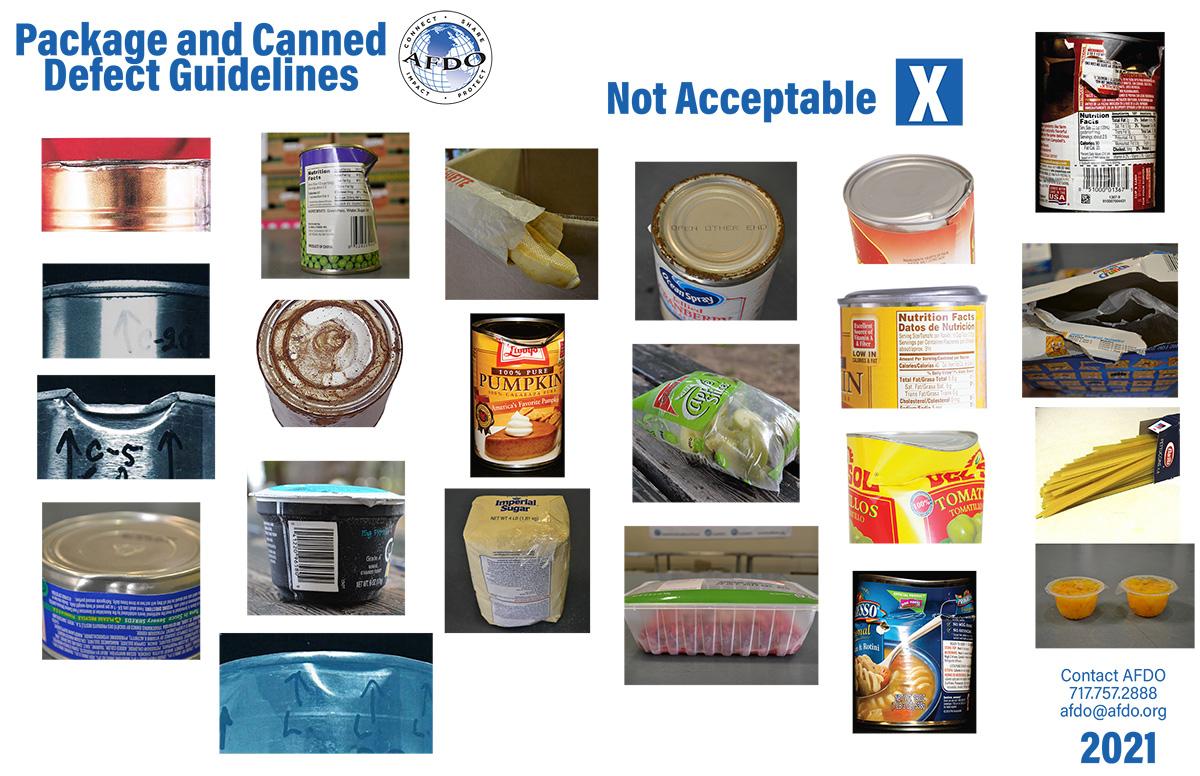
- Shelf-stable foods with packaging concerns:
- Boxed/packaged foods that are open, torn, show signs of water damage (stains) an/or pest damage (chew marks, droppings) should not be donated
- Canned foods that are dented, bloated, opened, rust around rim, missing labels should not be donated because the food may be spoiled or unsafe to eat.
Food Donation Resources
- Federal Liability Protection For Food Donation LEGAL FACT SHEET
- Surplus, Salvaged, and Donated Foods- safety tips
- Donated Food Storage, Distribution, and Product Dating- The memo focuses on USDA Food & Nutrition Service, but does provides some best practices that may be useful for additional groups