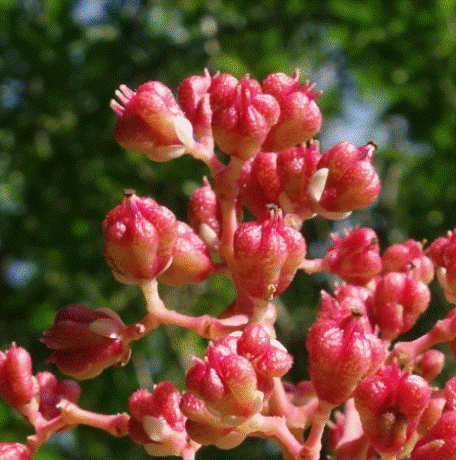
Close-up of Bee-bee tree female red flower follicles. Photo by Arnold Arboretum/Harvard University.

Close-up of Bee-bee tree female red flower follicles. Photo by Arnold Arboretum/Harvard University.

Updated: May 22, 2026
By Andrew Kling , and Daniel Pratson

In our Spring 2026 issue...

Learn about the practice called "treewashing." Read about how AI is helping scientists track the growth of ghost forests and about the science behind DC's iconic cherry blossoms. Our "Native Trees of Maryland" looks at the American Basswood, and "Invasives in Your Woodlands" looks at the Bee-bee Tree. And don't forget the events calendar and the Brain Tickler challenge.


Subscribe to Branching Out

Download your copy (PDF)

Beware of “Treewashing”

 Andrew A. Kling, Branching Out editor

A story in one of my Google Alerts sent me down a rabbit hole, resulting in learning about a new term I hadn't heard before: "treewashing."

Learn more >>

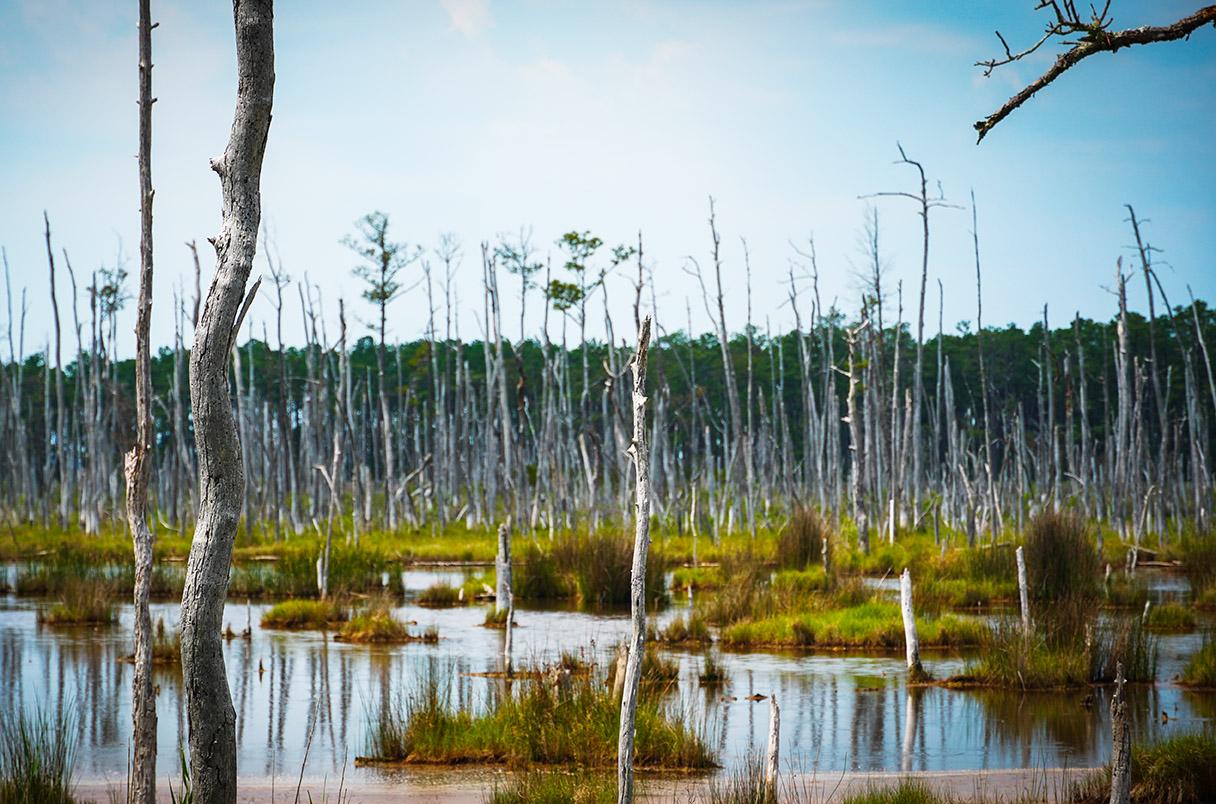
AI Found Ghosts in our Forests: The Truth of Ghost Forests in Maryland and Beyond

Sigal Goldstein, University of Maryland Class of 2028

While the impacts of ghost forests are clearly visible on the ground, artificial intelligence (AI) is giving scientists a bird's-eye view of these tree graveyards. AI provides maps and insights to synthesize the causes.

Learn more >>

Native Trees of Maryland
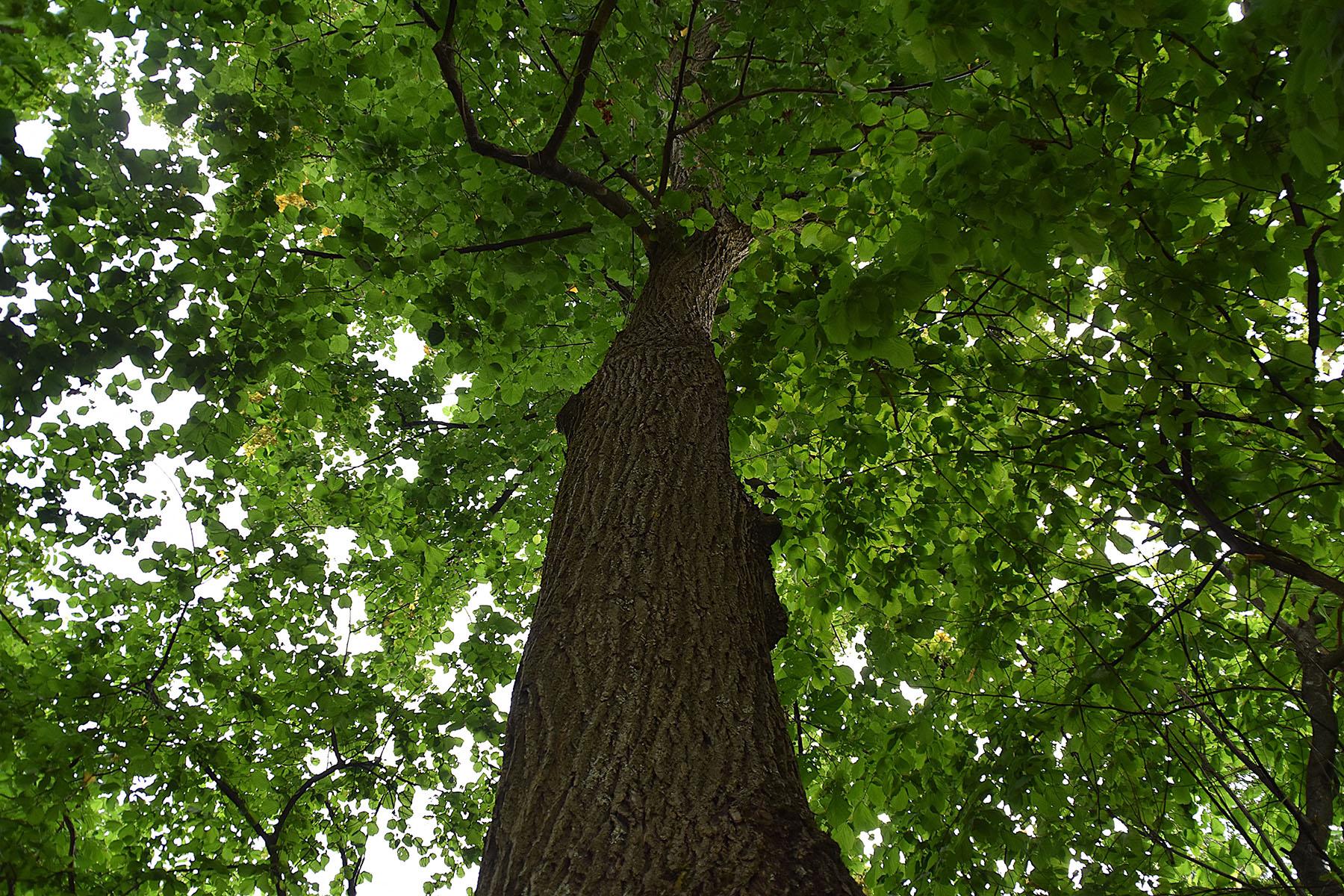
The Tree That Sings: American Basswood (Tilia americana)

Lisa Kuder

Tilia americana, known as American basswood, basswood, or linden, is a versatile tree, making it ideal for many landscape applications. Growing 60-80’ tall and 30-50’ wide, basswood is often planted as a specimen or shade tree in parks and residential areas. It’s also naturally occurring in Maryland’s mountain and Piedmont ecoregions.

Learn more >>

The Short Life of Cherry Blossoms: Beauty in Bloom

Sigal Goldstein, University of Maryland Class of 2028

While cherry blossoms are seen as a natural symbol of spring in the wider Washington, D.C. area, their consistent beauty is actually the result of careful scientific management and human intervention.

Learn more >>


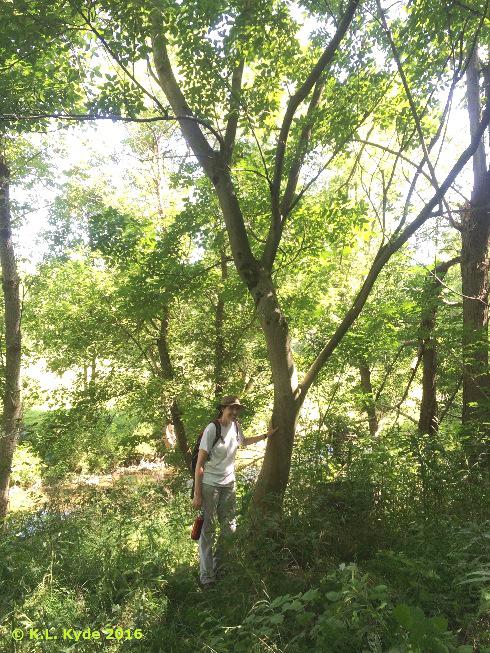
Invasives in Your Woodland: Bee-Bee Tree

The bee-bee tree came to the United States when seeds were sent from Asia for horticultural collections and trial plantings. From these early arboretum and research sites, scattered landscape use and intentional planting by beekeepers led to escapes into nearby forests in states such as Ohio, Pennsylvania, Virginia, and Maryland.

Learn more >>

Events Calendar

 June 6-7, 2026
Wild Turkey & Ruffed Grouse Habitat Workshop
Blooming Grove Hunting & Fishing Club, Hawley ,PA 

 Presented by the Pocono Wildlife Foundation. This immersive two-day program brings nationally recognized scientists, state wildlife biologists, and conservation leaders together to deliver practical science-based land management strategies tailored for private landowners and hunting clubs. Participants will develop a property-specific habitat plan and the skills to implement lasting improvements for wildlife populations on their land. Learn more and register here. 


June 29, 2026, 12:00 PM—1:15 PM
Oak Wilt, Bacterial Leaf Scorch, or Something Else?
Online

Many factors can cause oak leaves to scorch, wilt, and defoliate, making accurate diagnosis challenging. This webinar from Penn State Extension will help participants distinguish between oak wilt, bacterial leaf scorch, and abiotic stressors such as drought by focusing on key symptoms and field patterns. Timed to coincide with the onset of these issues, this session offers practical guidance on field evaluation, sampling, and management strategies. Participants will build confidence in diagnosing oak health problems and learn about free tools and resources to support accurate identification and effective management. Learn more and register here.


July 19 - 25, 2026
2026 Natural Resources Careers Camp
Hickory Environmental Education Center, Accident, MD
This week-long adventure, nestled in the mountains of Garrett County, MD, is designed for high school students seeking to explore exciting career paths and college opportunities in the realm of natural resources. In collaboration with Allegany College of Maryland and the Maryland Department of Natural Resources-Forest Service, the camp offers an immersive, co-educational experience led by industry professionals. More information here

Branching Out, Vol. 34, no. 2 (Spring 2026)

Branching Out is the free, quarterly newsletter of the Woodland Stewardship Education program. For more than 30 years, Branching Out has kept Maryland woodland owners and managers informed about ways to develop and enhance their natural areas, how to identify and control invasive plants and insects, and about news and regional online and in-person events.

Subscribe