Skip to main content
Menu
Get Involved
Give
Contact
Ask Extension
About
Leadership
UMD Extension Impact
Careers
Directory
Civil Rights Compliance
Extension Advisory Council and Committees
Program and Organizational Development
Resources
Animal Agriculture
Plant Agriculture
Yard & Garden
Pests
Natural Resources
Environment & Energy
Agribusiness Management
Food & Nutrition
Health & Well-Being
4-H & Youth Education
Programs
4-H Youth Development
Family & Consumer Sciences
Agriculture & Food Systems
Environment & Natural Resources
Home & Garden Information Center
Locations
Publications
News & Events
All News
Events
Forest Health
Home
Resources
Forest Health
For full functionality of this site it is necessary to enable JavaScript. Here are
instructions for how to enable JavaScript in your web browser
.
Sort by:
Date
Title
Updated: October 5, 2026
Natural Area Management Services Providers: A to Z
Entries in the Natural Area Management Services Directory are listed alphabetically.
Updated: September 23, 2026
Invasives in Your Woodland
Since its debut as a regular Branching Out feature in 2016, "Invasives in Your Woodland" has profiled a wide variety of invasive plant species that threated the health of Maryland's ecosystems.
Updated: August 14, 2026
Branching Out - Summer 2026
In this issue: Read about the resilience of woodlands and why they need early successional habitat. Plus, registration for the fall session of our "The Woods in Your Backyard" course is now open. Our "Native Trees of Maryland" looks at the Eastern Hemlock, and "Invasives in Your Woodlands" looks at creeping Jenny. And don't forget the events calendar and the Brain Tickler challenge.
Updated: August 12, 2026
Invasives in Your Woodland: Creeping Jenny
As is the case with a considerable number of invasive species in North America in general and Maryland specifically, creeping Jenny has become naturalized in ecosystems across the continent. Although it only grows a few inches high, the stems branch out up to six feet and can cause thick mats that displace native species.
Updated: August 12, 2026
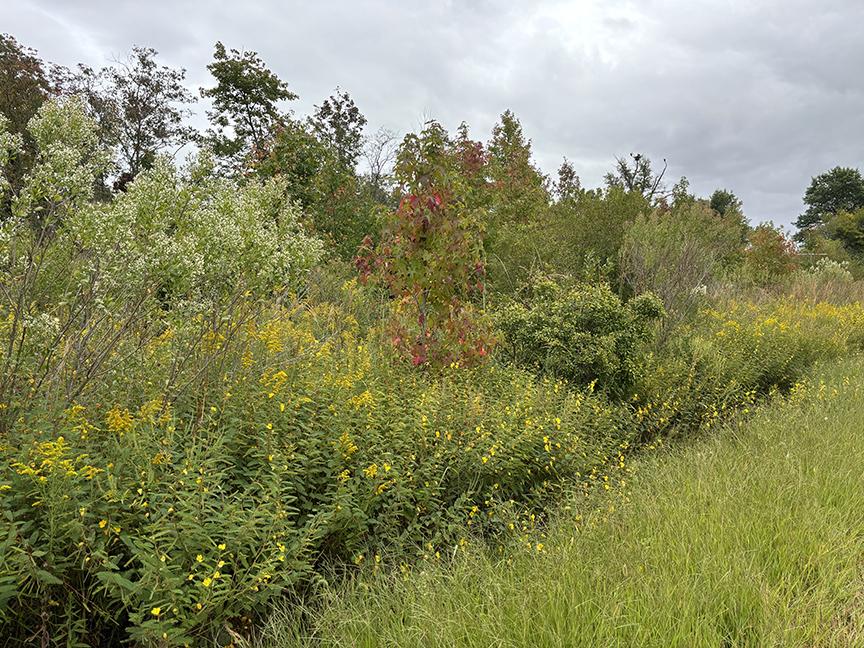
Planting Small Trees and Shrubs to Expand Early Successional Habitat
Early successional habitat, which is characterized by open canopy conditions and mixtures of young trees, shrubs, and grasses, plays a critical role in many wildlife species’ life cycles, but accounts for only a fraction of the total terrestrial habitat across Maryland and has declined as forests mature. Consider creating these habitats in your next planting project.
Updated: August 12, 2026
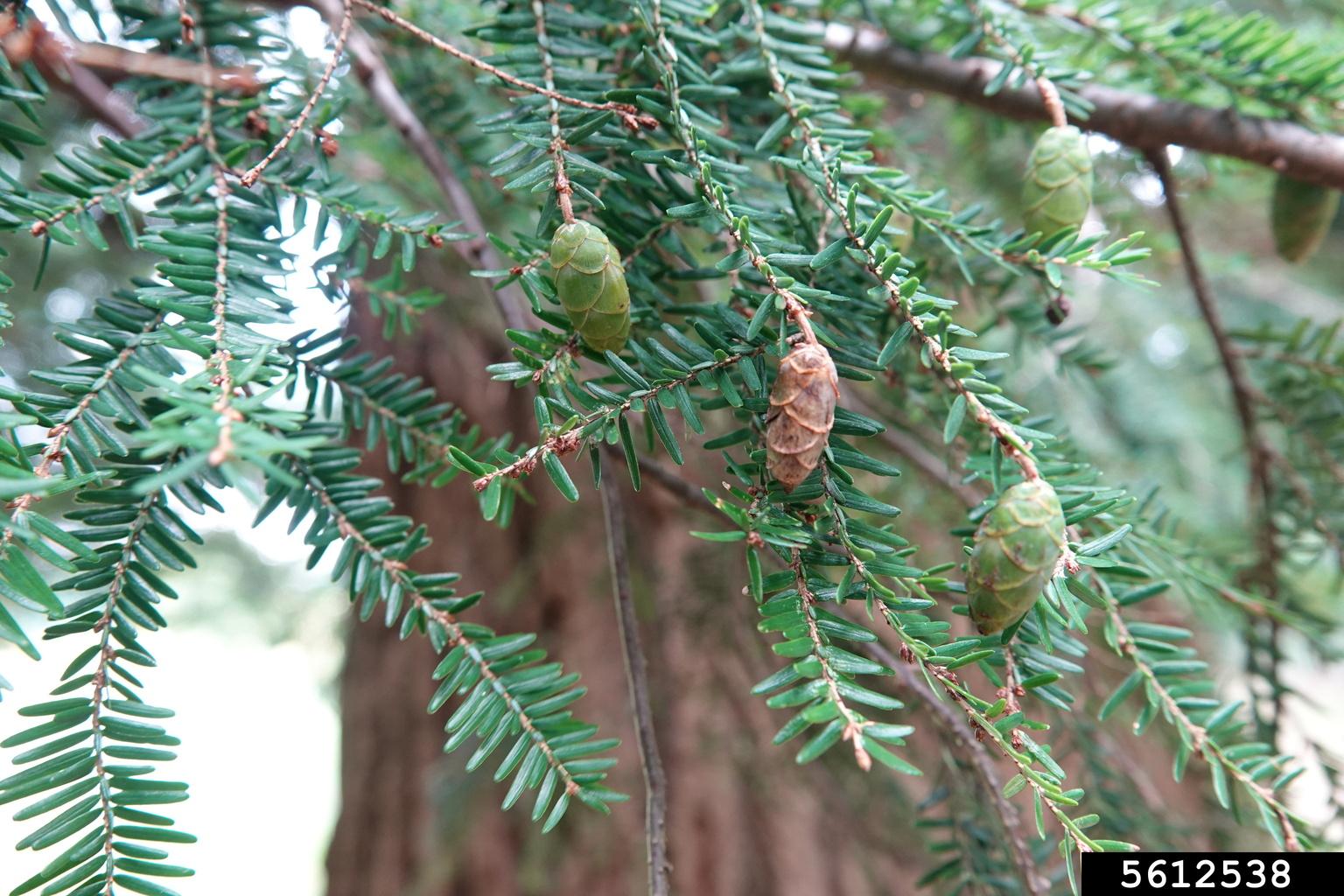
Native Trees of Maryland: Eastern Hemlock, Tsuga canadensis
Eastern hemlock trees grow well in shaded conditions, so they are more commonly found in later-successional, mature forests. Hemlocks take about 250-300 years to reach maturity; scientists have found individuals that have persisted for 800 years or longer. These trees prefer moist growing conditions, so they are often found along forested streambanks.
Updated: August 12, 2026
Want a Thriving Young Forest? Build Some Brush Piles
Brush piles attract and help wildlife. Easy-to-build brush piles boost the cover quality of young forest and shrubland.
Updated: August 12, 2026
Registration is Now Open For the Fall Session of “The Woods in Your Backyard” Online Course
Are you a small-acreage property owner who wants to learn how to care for or how to expand existing woodlands, or how to convert lawn space to woodlands? Then join us for our self-directed, non-credit online course. It runs for ten weeks, from August 31 to November 9.
Updated: August 12, 2026
Resilience
Trees are resilient. In the face of natural events – drought, floods, lightning, wildfires, tropical storms, and tornados, to name a few – woodlands can rebound from such challenges with persistence. But sometimes they need help.
Updated: August 12, 2026
Branching Out Summer 2026 News and Notes
In the News and Notes roundup for this issue: An iconic tree may have died. The governor of Maryland wants construction projects to use Maryland wood whenever possible. The US Forest Service has a new app for recreational visitors. And a follow up on Baltimore City's deer management program.
Current page
1
Page
2
Page
3
Page
4
Page
5
Page
6
Page
7
Page
8
Page
9
…
Next
Last