Skip to main content
Menu
Get Involved
Give
Contact
Ask Extension
About
Leadership
UMD Extension Impact
Careers
Directory
Civil Rights Compliance
Extension Advisory Council and Committees
Program and Organizational Development
Resources
Animal Agriculture
Plant Agriculture
Yard & Garden
Pests
Natural Resources
Environment & Energy
Agribusiness Management
Food & Nutrition
Health & Well-Being
4-H & Youth Education
Programs
4-H Youth Development
Family & Consumer Sciences
Agriculture & Food Systems
Environment & Natural Resources
Home & Garden Information Center
Locations
Publications
News & Events
All News
Events
Forest Health
Home
Resources
Forest Health
For full functionality of this site it is necessary to enable JavaScript. Here are
instructions for how to enable JavaScript in your web browser
.
Sort by:
Date
Title
Updated: February 24, 2026
New Group Seeks to Spread Knowledge of Prescribed Fire Benefits
Many landowners in the Mid-Atlantic region are learning that prescribed fires can help them achieve their management goals for their property. The Maryland Prescribed Fire Council aims to protect, promote, and expand the safe and responsible use of prescribed fire in Maryland.
Updated: February 24, 2026
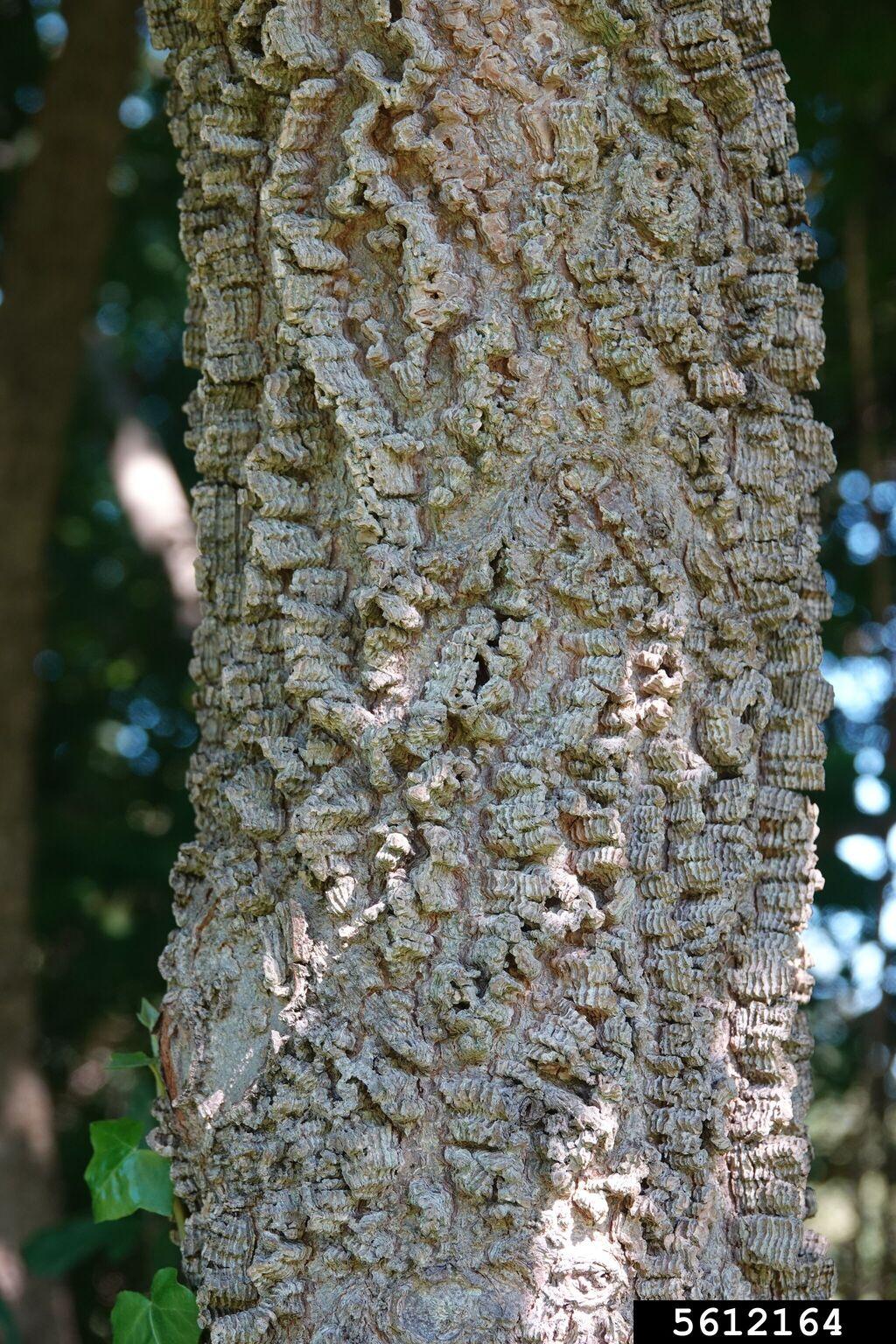
Native Trees of Maryland: Common Hackberry, Celtis occidentalis
The humble common hackberry tree (Celtis occidentalis), sometimes referred to as a “nettletree” or “beaverwood,” has some fascinating characteristics if you are willing to look past its warty bark exterior. Given their ability to withstand harsh conditions and their benefits to native wildlife, hackberry represents a great choice for an urban tree.
Updated: February 24, 2026
Branching Out Winter 2026 News and Notes
In the News and Notes roundup for this issue: Baltimore City is examining white-tailed deer overpopulation within its parklands; a new report assesses the impact of the forestry industry on Maryland's economy; the US Forest Service and its partners has issued its annual Tax Tips For Forest Landowners guide; and new research reveals a potential native foe of EAB.
Updated: February 24, 2026
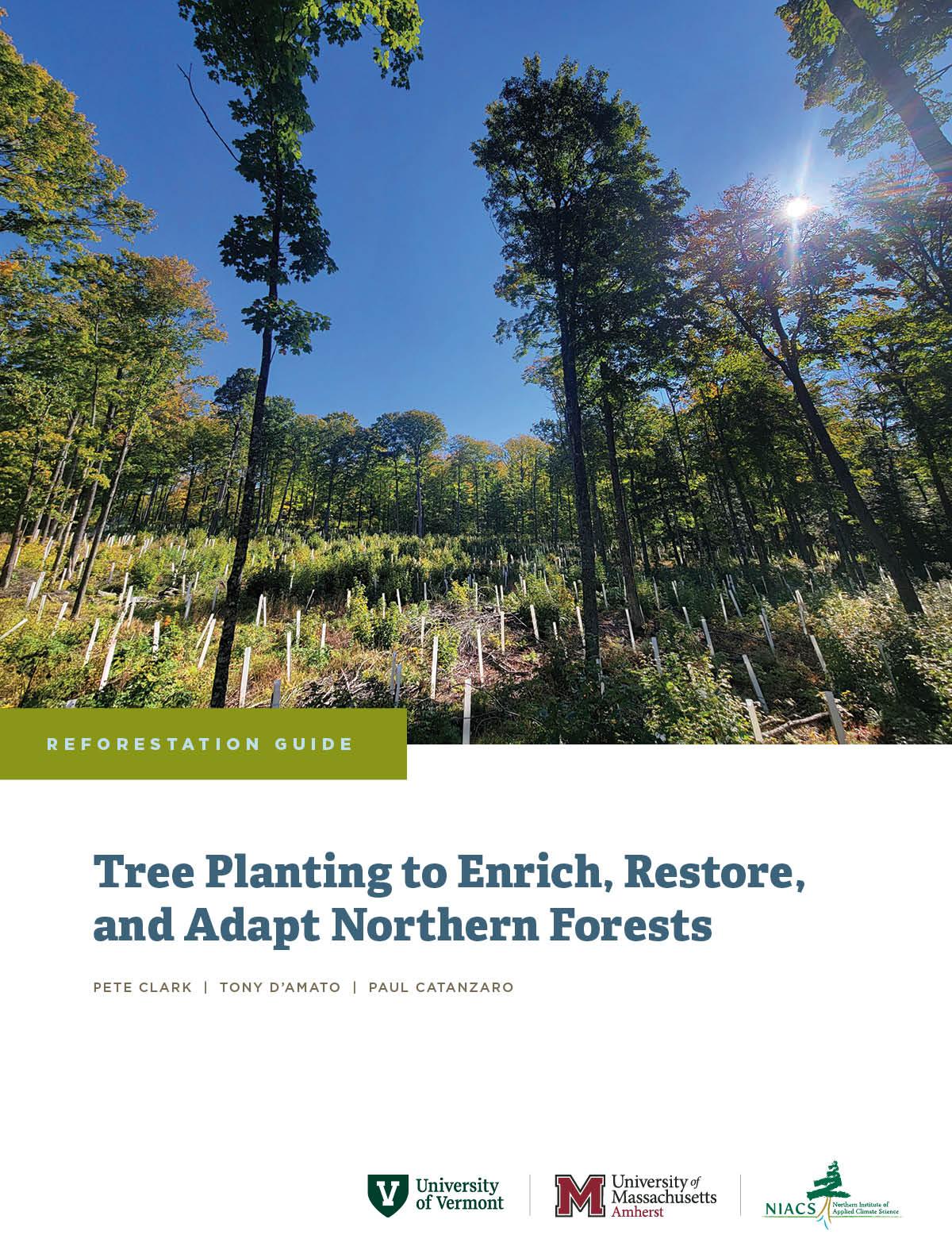
New Guide Shares Reforestation Techniques and More
New from MassWoods at the University of Massachusetts Amherst: "Reforestation Guide: Tree Planting to Enrich, Restore, and Adapt Northern Forests"
Updated: February 24, 2026
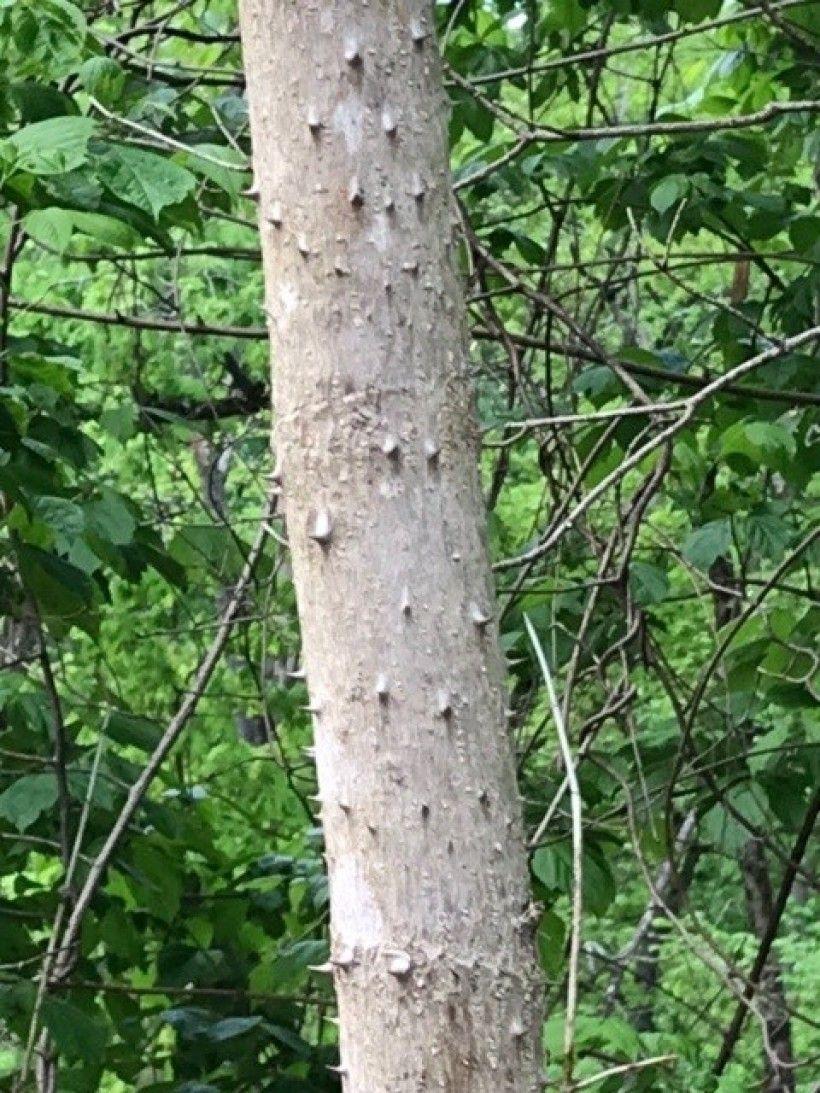
Invasives in Your Woodland: Japanese Angelica Tree
The Japanese angelica tree was introduced to the United States in 1830 as an ornamental plant and likely naturalized shortly after its introduction; however, its invasive tendencies in the Mid-Atlantic states were only first observed in the early 2000s.
Updated: February 24, 2026
Registration is Now Open for “The Woods in Your Backyard” Online Course Spring Session
Registration is now open for the Spring 2026 session of “The Woods in Your Backyard” online course. Our course is designed primarily for small-acreage property owners who want to learn how to care for or expand existing woodlands, or to convert lawn space to woodlands.
Updated: February 24, 2026
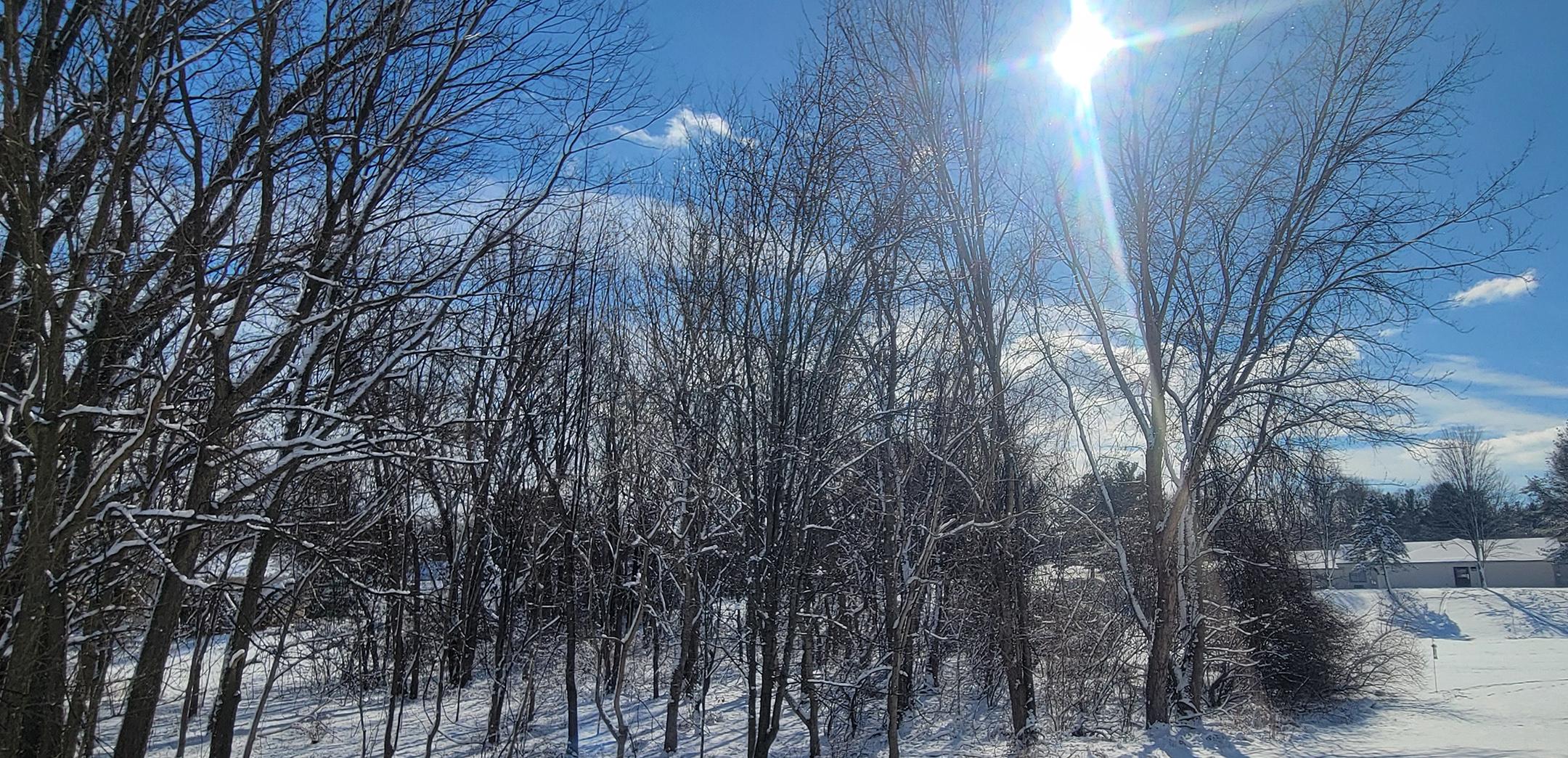
Phenology in Your Woodlands
Phenology links what you see on the ground to patterns in weather and climate, turning casual observation into a powerful management tool.
Updated: December 17, 2025
Branching Out - Fall 2025
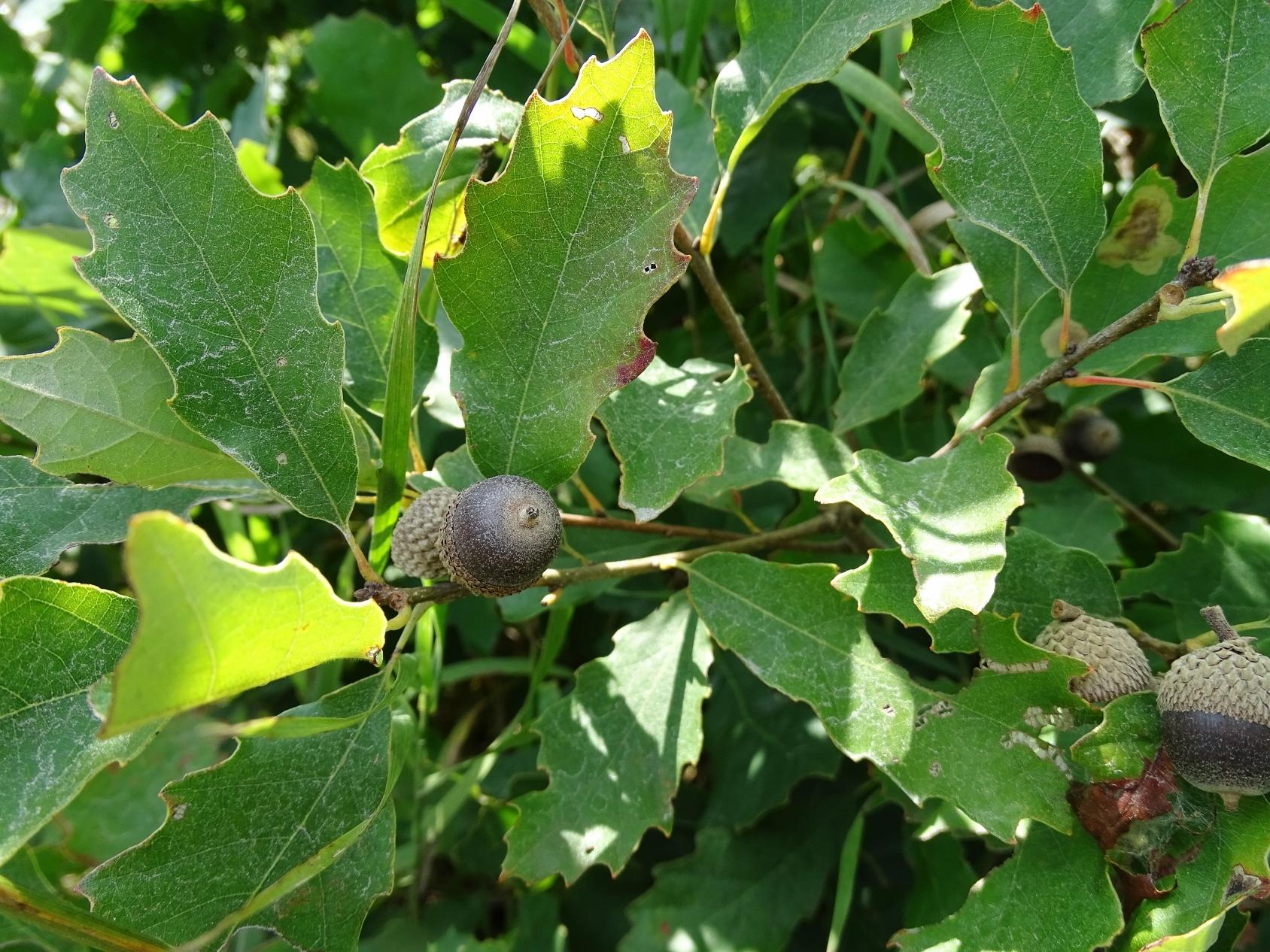
In this issue: Read about the transitions in woodlands from autumn to winter, and the benefits of leaving leaves where they fall. There's also news about a new milestone for the Healthy Forests Healthy Waters program. Our "Native Trees of Maryland" looks at the Dwarf Chinquapin Oak, and "Invasives in Your Woodlands" looks at the Goldenrain Tree. And don't forget the events calendar and the Brain Tickler challenge.
Updated: December 16, 2025
Natural Area Management Services Directory: Chosen Tree Management
Chosen tree management, previously known as "crop tree management," is a proactive method for encouraging selected trees in your woodland.
Updated: December 16, 2025
Natural Area Management Services Directory: Invasive Plant and Vine Control
Native ecosystems in our woodlands are under increasing pressure from invasive plant species and from both native and invasive vines. Providers of invasive plant and vine control are listed here.
First
Previous
Page
1
Page
2
Current page
3
Page
4
Page
5
Page
6
Page
7
Page
8
Page
9
…
Next
Last