Skip to main content
Menu
Get Involved
Give
Contact
Ask Extension
About
Leadership
UMD Extension Impact
Careers
Directory
Civil Rights Compliance
Extension Advisory Council and Committees
Program and Organizational Development
Resources
Animal Agriculture
Plant Agriculture
Yard & Garden
Pests
Natural Resources
Environment & Energy
Agribusiness Management
Food & Nutrition
Health & Well-Being
4-H & Youth Education
Programs
4-H Youth Development
Family & Consumer Sciences
Agriculture & Food Systems
Environment & Natural Resources
Home & Garden Information Center
Locations
Publications
News & Events
All News
Events
Identify and Manage Outdoor Insects
Home
Resources
Identify and Manage Outdoor Insects
For full functionality of this site it is necessary to enable JavaScript. Here are
instructions for how to enable JavaScript in your web browser
.
Sort by:
Date
Title
Updated: October 17, 2024
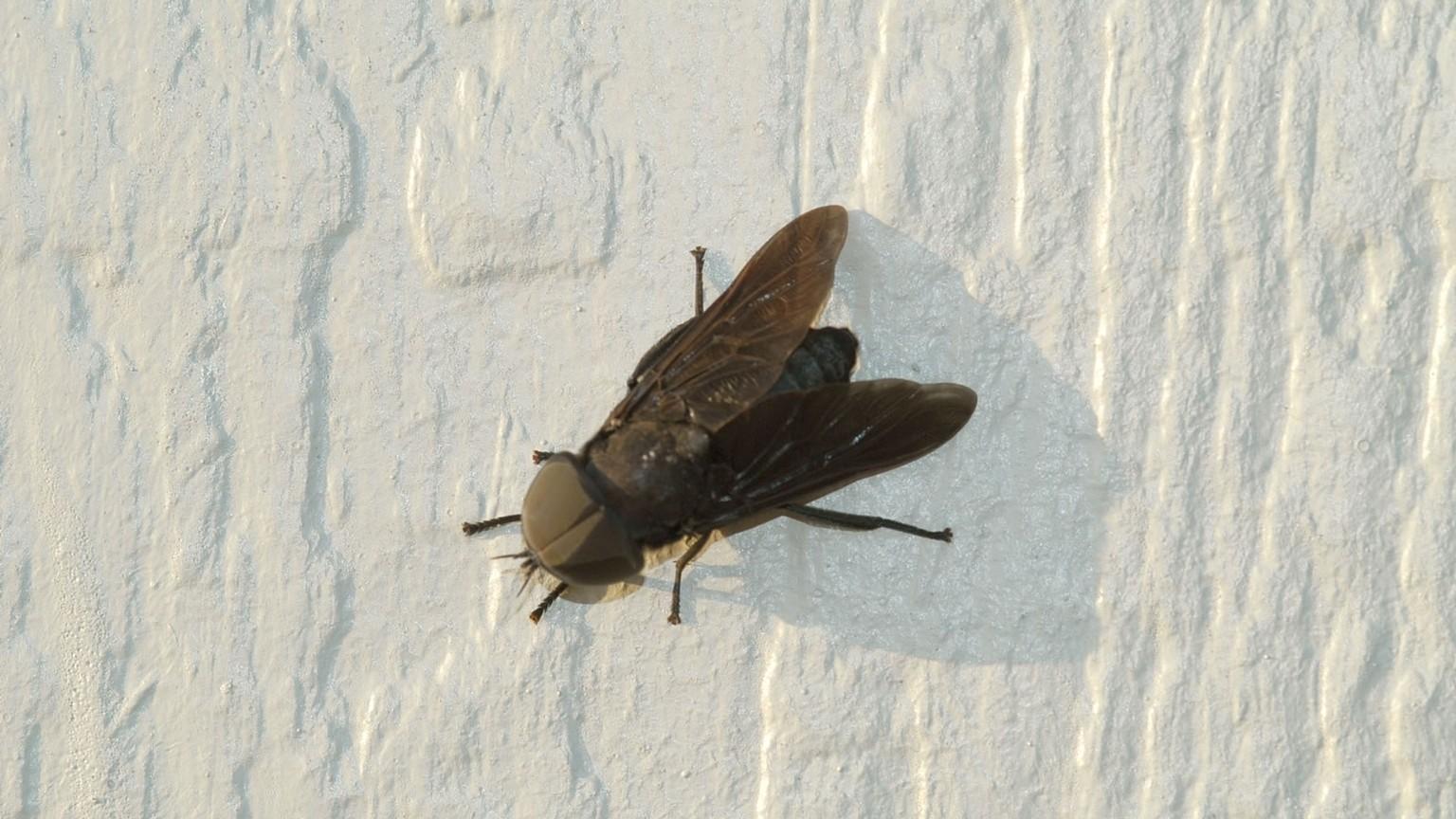
Horse and Deer Flies
Horse flies and deer flies live in wet areas. The females can inflict a painful bite.
Updated: October 17, 2024
Asian Longhorned Tick
Asian longhorn ticks are more commonly found in tall grass and pasture environments more so than forest environments. While they prefer to feed on wildlife and livestock, longhorned ticks will feed on pets and humans as well.
Updated: October 17, 2024
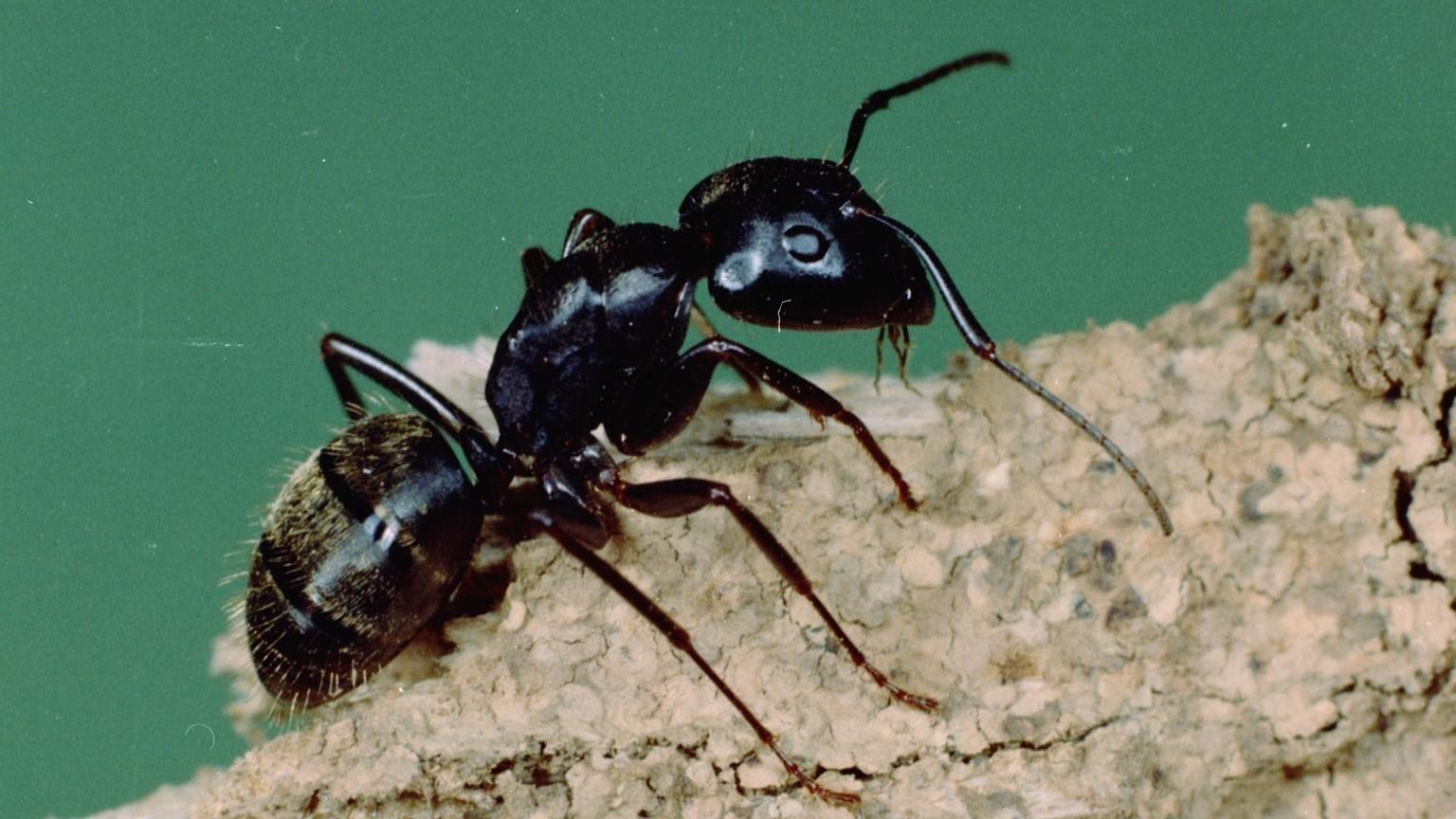
Carpenter Ants
Carpenter ants are large dark insects that can sometimes become a problem in the home. Unlike termites, they do not feed on wood but cause damage by creating nests in damp or moisture-compromised wood.
Updated: October 17, 2024
Ants and Termites: How to Tell the Difference
Winged ants and termites look very similar and can identified by looking at the insects' antennae and waist.
Updated: June 14, 2024
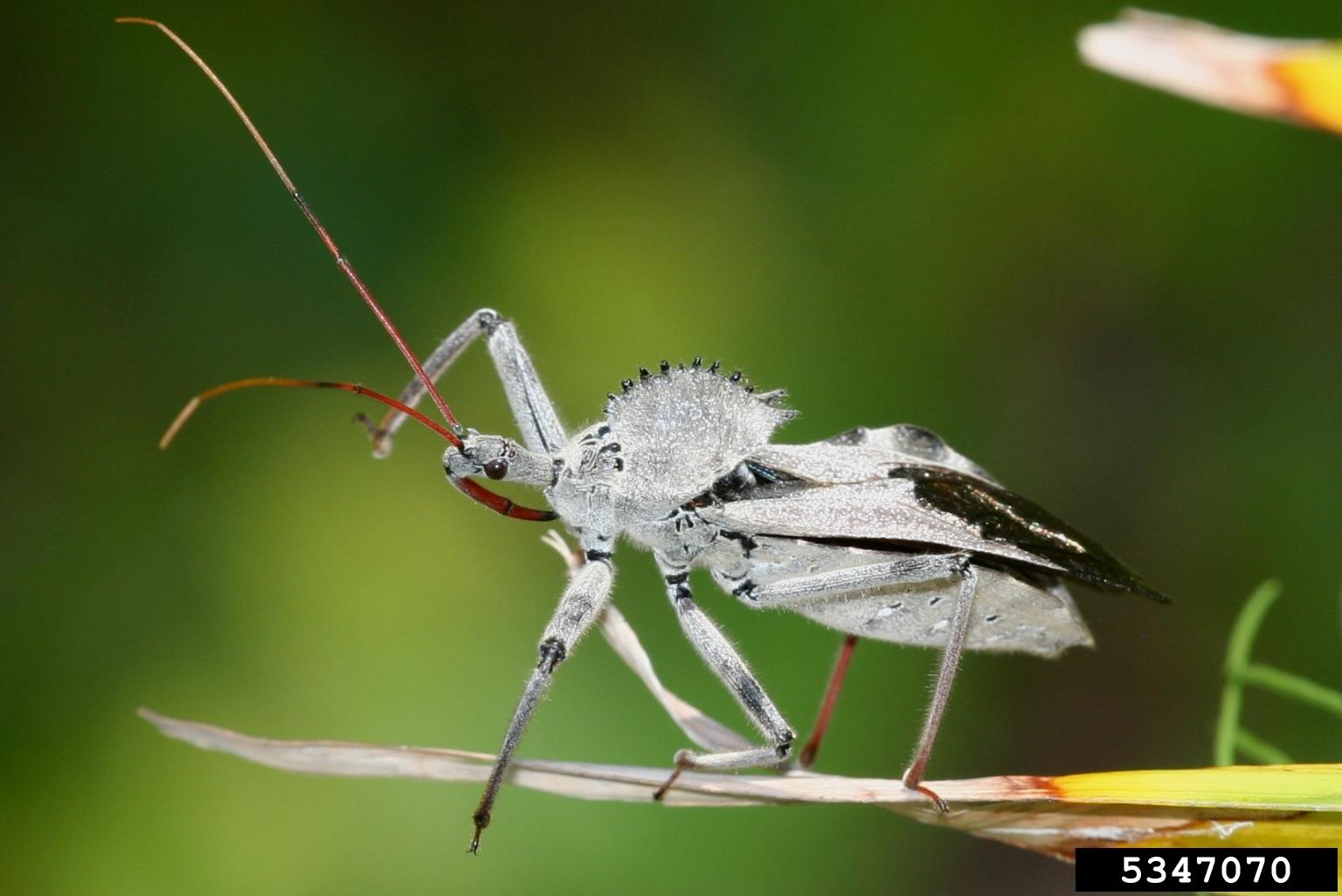
Assassin Bugs
Assassin bugs are predatory insects.
Updated: September 15, 2023
Flower Fly
Flower flies are a natural predator of aphids. Flower flies are mainly nonselective pollinators, feeding on nectar and pollen from a variety of plants and agriculturally important crops.
Updated: August 16, 2023
Predatory Bugs
Predatory bugs are in the insect order Hymenoptera and use piercing-sucking mouthparts to kill their prey.
Updated: July 20, 2023
Lacewings
Lacewings are delicate green or brown insects, excellent predators of aphids and other small insects.
Updated: March 1, 2023
Bumble Bees
Bumble bees are important pollinators that feed on nectar and pollen. They very rarely sting.
Updated: March 1, 2023
Meet a Pollinator: Carpenter Bee
Carpenter bees are the largest native bees in the United States and they are effective pollinators.
First
Previous
Page
1
Page
2
Page
3
Current page
4
Page
5
Page
6
Next
Last