
Saltwater intrusion is reshaping wetland ecosystems across coastal landscapes of the Mid-Atlantic by altering hydrology, salinity, and vegetation. As sea levels rise, freshwater wetlands increasingly experience salt stress and prolonged inundation. These changes can transform ecosystem structure, reduce biodiversity, and shift wetlands from fresh- to salt-water systems. The combined effects of inland migration/transition of saltwater marshes and coastal erosion are converting existing saltwater wetlands into open water,eliminating their ability to act as a protective coastal buffer. While some wetland migration represents a natural adaptive response to sea-level rise, landscape constraints and rapid environmental change often result in net wetland loss.
1. Marsh migration & freshwater wetland loss
As saltwater intrusion progresses inland, tidal marshes expand into adjacent low-lying freshwater wetlands and forested areas through marsh migration, reducing plant survival and allowing salt-tolerant marsh species to establish. Freshwater wetlands are often highly sensitive to even small increases in salinity. Exposure to saline groundwater or tidal flooding can cause vegetation dieback, soil subsidence, and conversion to brackish or tidal marsh systems.
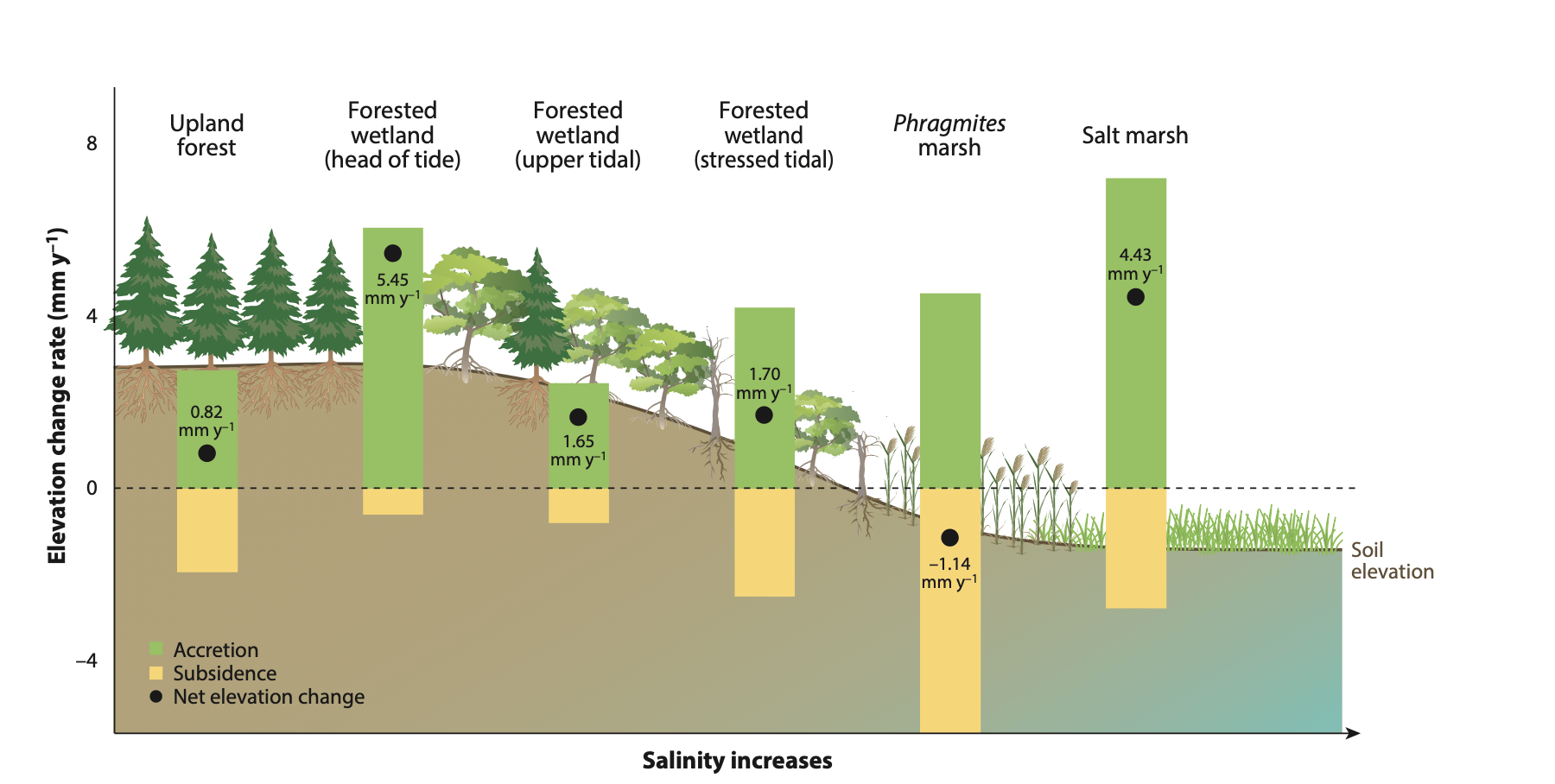
Loss of freshwater wetlands reduces important ecosystem services, including floodwater storage, groundwater recharge, and nutrient retention. These systems often serve as buffers between uplands and tidal environments, and their disappearance can increase downstream flooding and nutrient export to estuaries.
2. Species & Ecological impacts
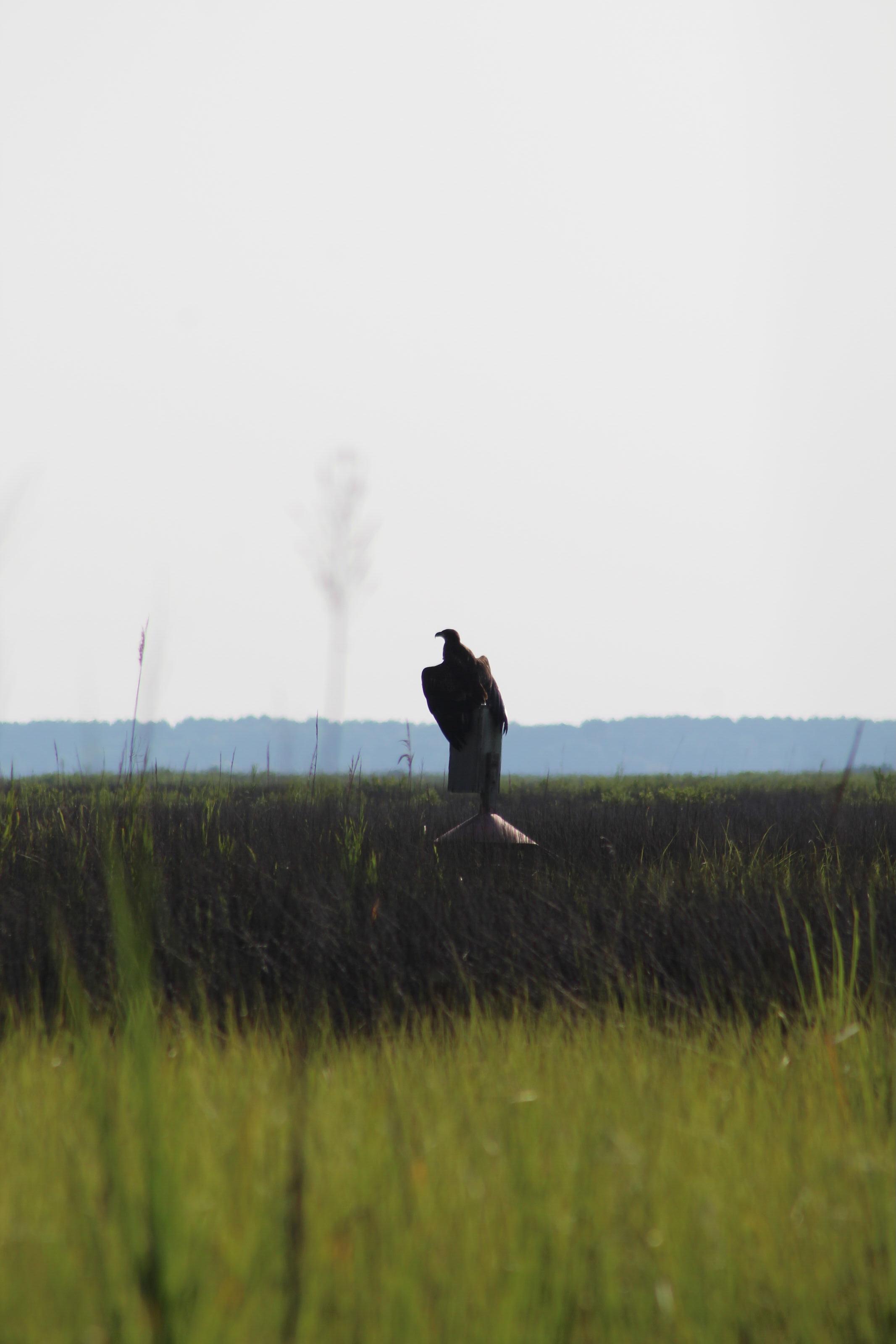
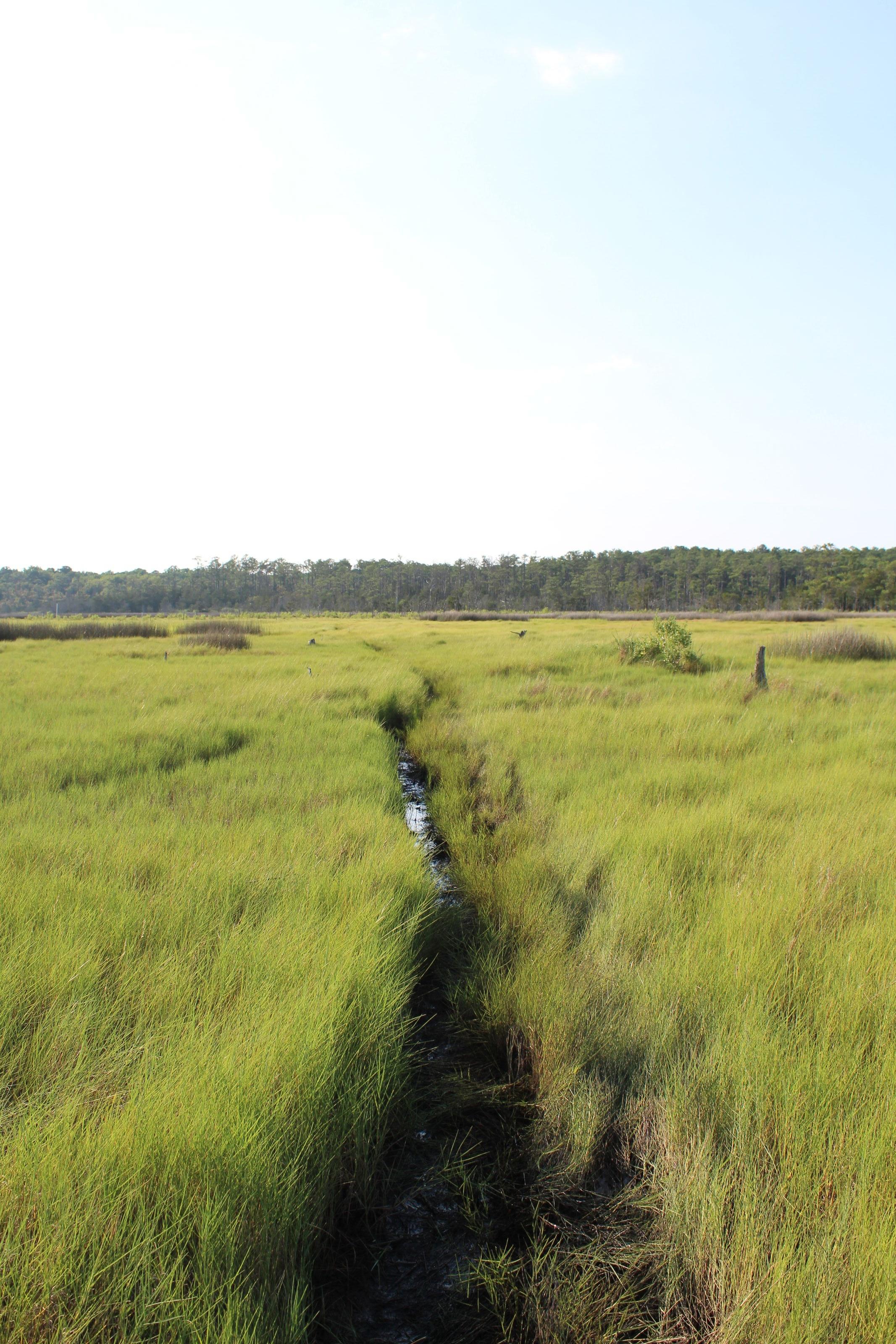
Saltwater intrusion drives substantial ecological change within wetland communities by favoring salt-tolerant species over freshwater vegetation. These shifts alter habitat structure, food availability, and ecosystem functioning. Changes in plant communities influence wildlife populations by modifying nesting habitat, refuge areas and foraging resources.
Saltwater intrusion also affects belowground ecological processes. Increased salinity alters microbial communities and biogeochemical cycling, influencing decomposition rates, nutrient availability, and greenhouse gas dynamics. In increasingly saline conditions, organic matter breakdown may accelerate, affecting long-term wetland stability. Over time, these ecological transitions can fundamentally transform the niche and diverse plant communities of freshwater marshes into tidal marsh ecosystems governed by saline hydrology.