Agriculture

Agriculture

Saltwater intrusion and salinization can significantly affect agricultural productivity in coastal and tidal landscapes of the Mid‑Atlantic. As saline water moves into farm fields, it alters soil chemistry, soil structure, plant physiology, field management options, and surrounding water quality. Together, these changes can lead to declining yields, increased management costs, and long‑term loss of arable land. 

1. Yield Declines and Plant Stress

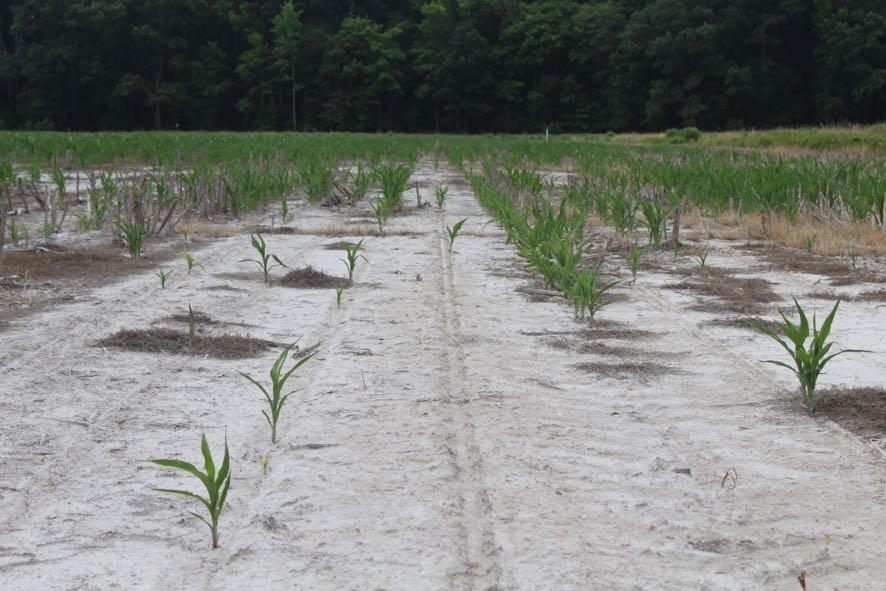
Saltwater intrusion commonly leads to reduced crop yields as increasing salinity interferes with plant growth and nutrient uptake. As soil salinity increases electrical conductivity, osmotic stress makes it harder for plants to uptake. Salts in the soil solution disrupt water transport, photosynthesis, and overall plant growth.Even when fields appear wet, crops may experience physiological drought because saline soils restrict water movement into roots.


3. Soggy Soils

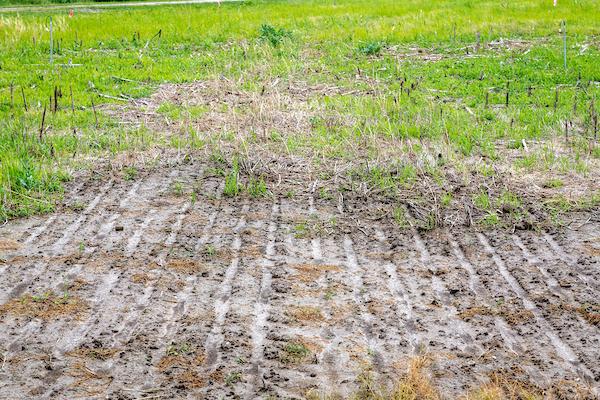
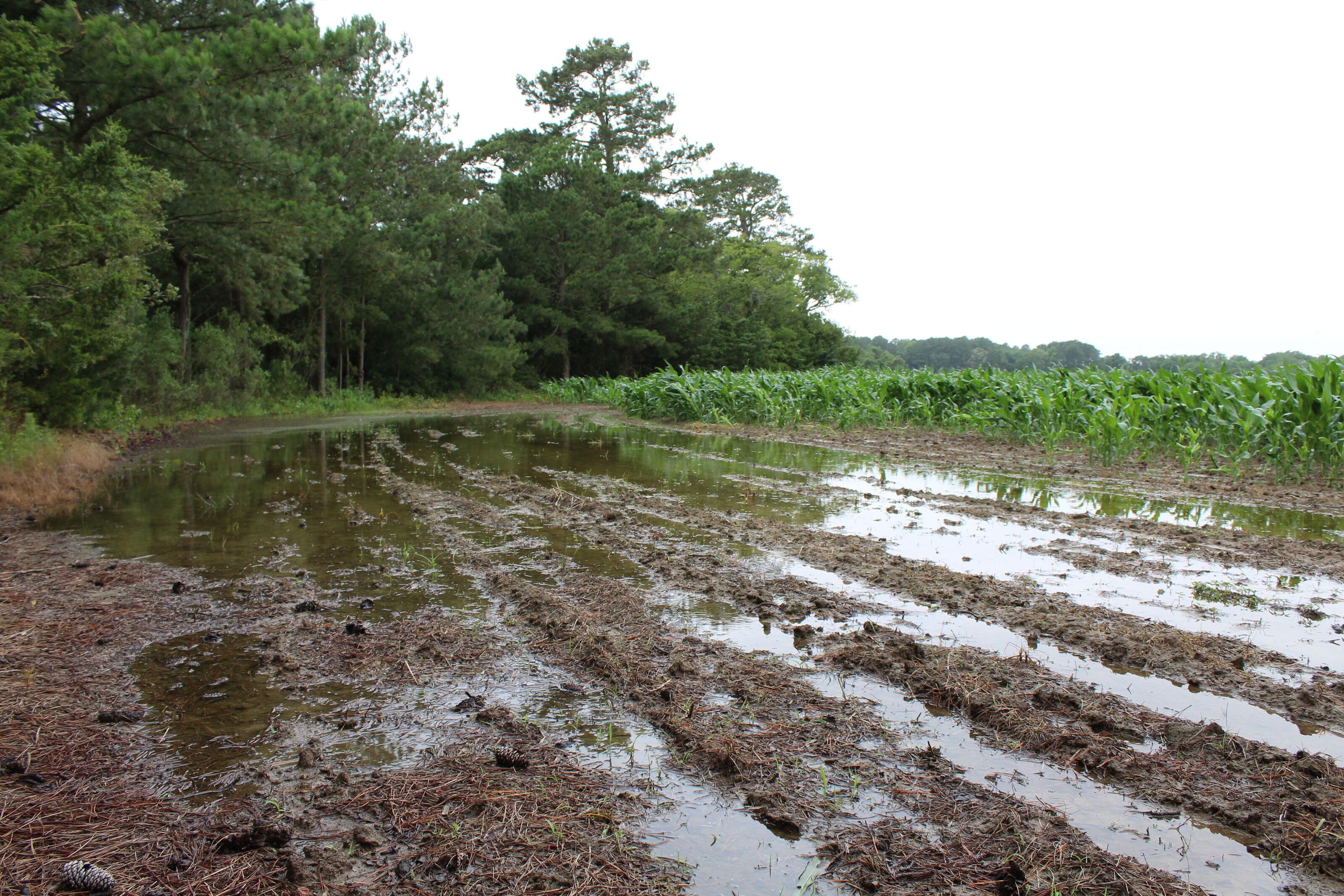
Low-lying coastal lands can become increasingly wet and soggy as the water table rises and natural drainage becomes less effective. As soils remain saturated, their structure can weaken and oxygen availability for roots can decline resulting in reduced growth and productivity. It can also make it difficult for vehicles and equipment to access fields, limiting timely planting, maintenance, and harvest operations.


5. Increased Herbivory Pressure

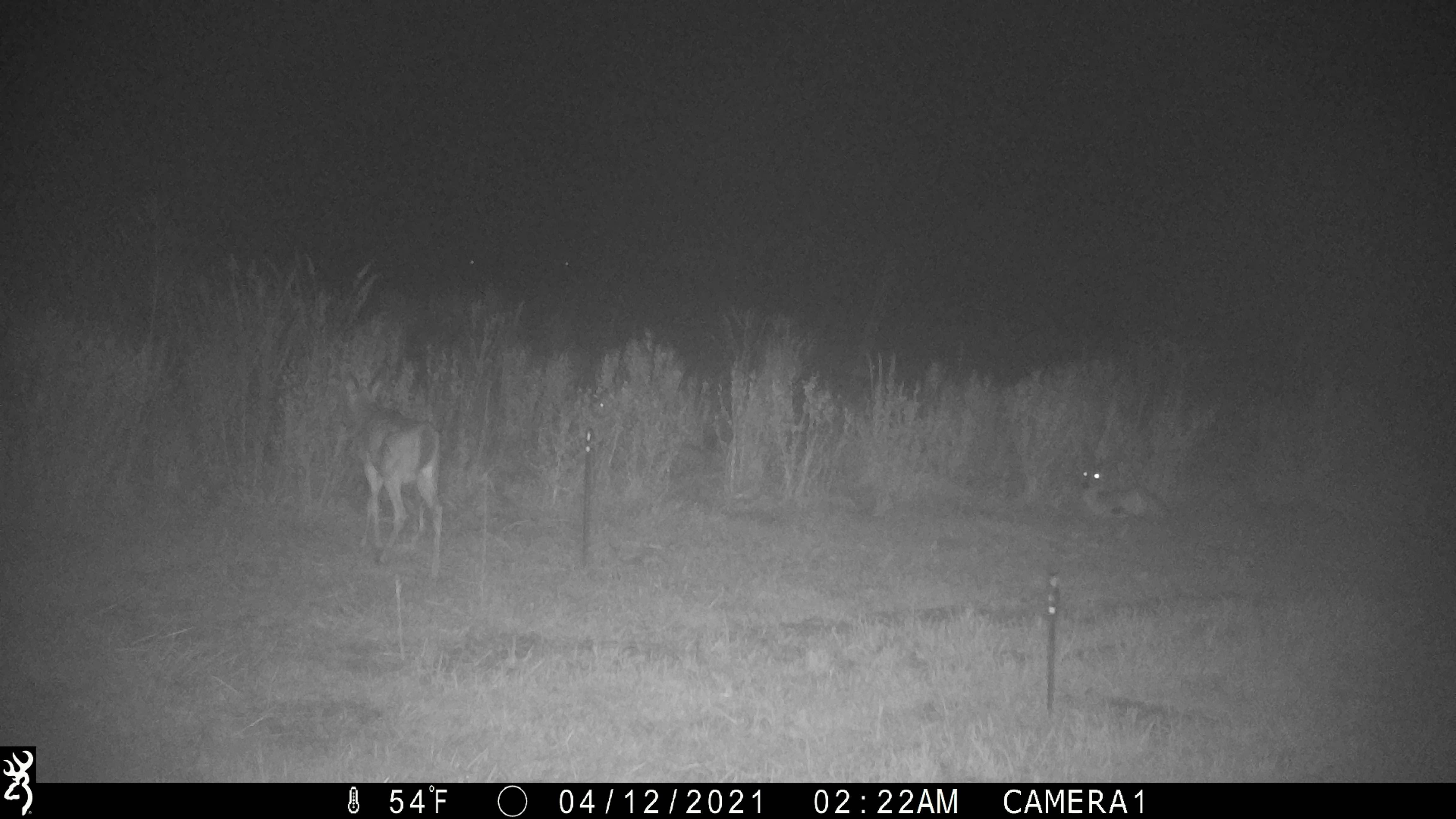
Agricultural systems are indirectly affected through changes in surrounding landscapes. Marsh migration and coastal forest loss displace wildlife such as deer and waterfowl. As natural habitats shrink, wildlife increasingly forage on nearby cropland, increasing crop damage. Many coastal farmers report higher herbivory pressure along field edges as saltwater intrusion progresses.


2. Soil Degradation and Compaction 

Saltwater intrusion alters the soil structure affecting its ability to support crops by restricting the movement of nutrients. Sodium from saltwater can displace calcium and magnesium on soil exchange sites, causing soil particle dispersion. Dispersed soils form unstable aggregates, leading to compaction and a dense, concrete‑like soil matrix.These conditions reduce water infiltration and drainage, increase surface ponding, and limit root growth. 


4. Marsh Species Encroachment

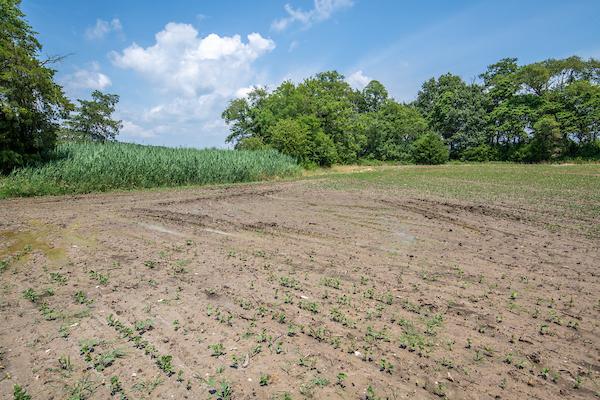
As soils become saltier and wetter, agricultural fields increasingly favor species adapted to marsh conditions.Native saltmarsh plants such as Spartina patens, Iva frutescens, and Distichlis spicata, as well as invasive species like Phragmites australis, may encroach into crop fields.These species can outcompete crops, reducing yields and complicating management.


6. Broader Water Quality Impacts

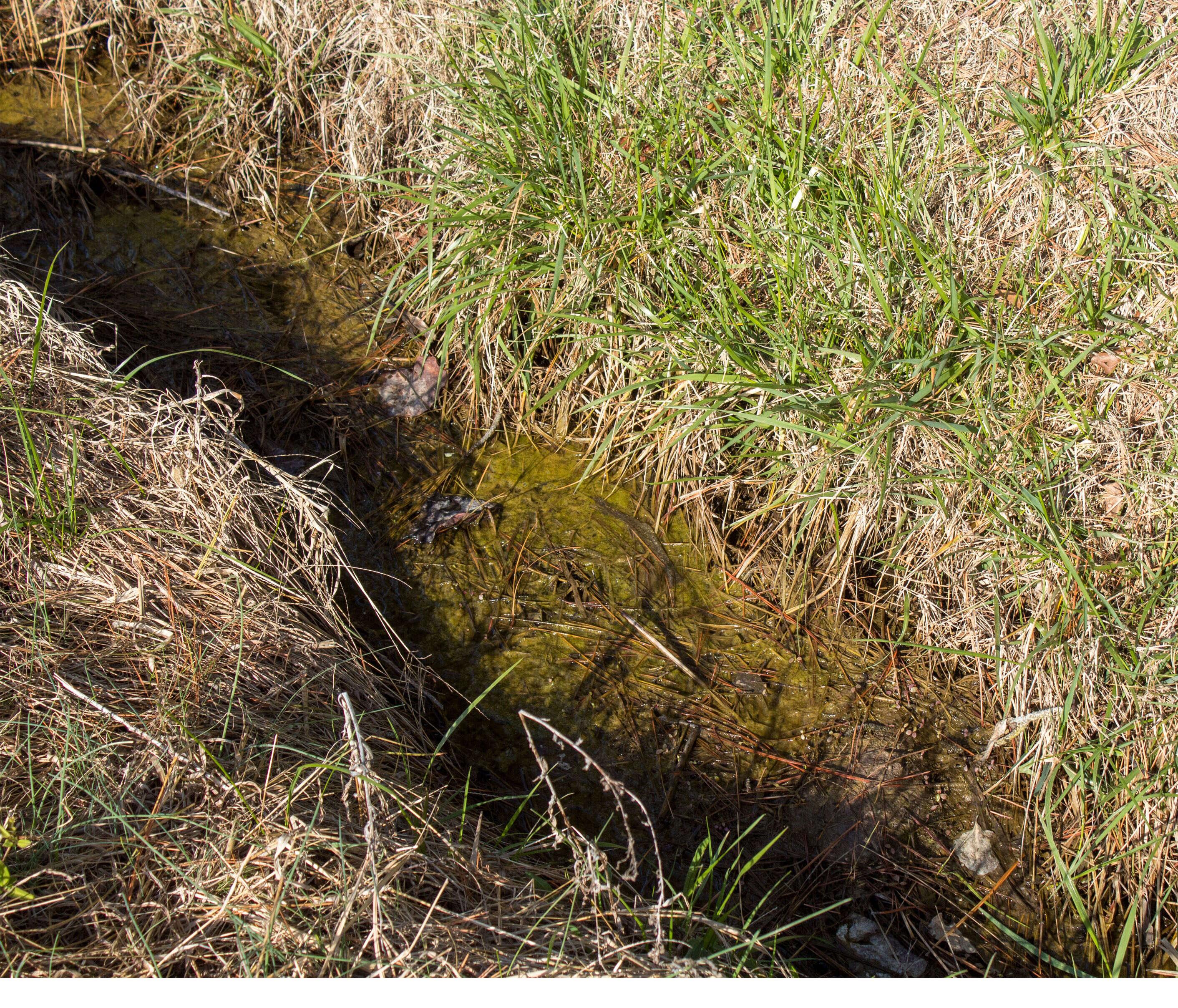
At the regional scale, saltwater intrusion may substantially increase nutrient export from coastal agricultural landscapes, contributing to eutrophication of estuaries and tidal waters. On the eastern shore of Maryland, many coastal fields contain legacy phosphorus which can remain in soils for decades and then become mobile under saltwater and waterlogged conditions. 

Saltwater and waterlogged conditions can mobilize phosphorus through altering iron–phosphate binding under anoxic conditions and increasing competition between sulfate and phosphate in saline soils. These processes can be exaggerated as soils dry and re‑wet, as phosphorus may remain in solution and be more easily lost to waterways. Elevated ammonium concentrations are often observed in drainage waters and saltmarsh pore water downstream of agricultural fields.