crabgrass

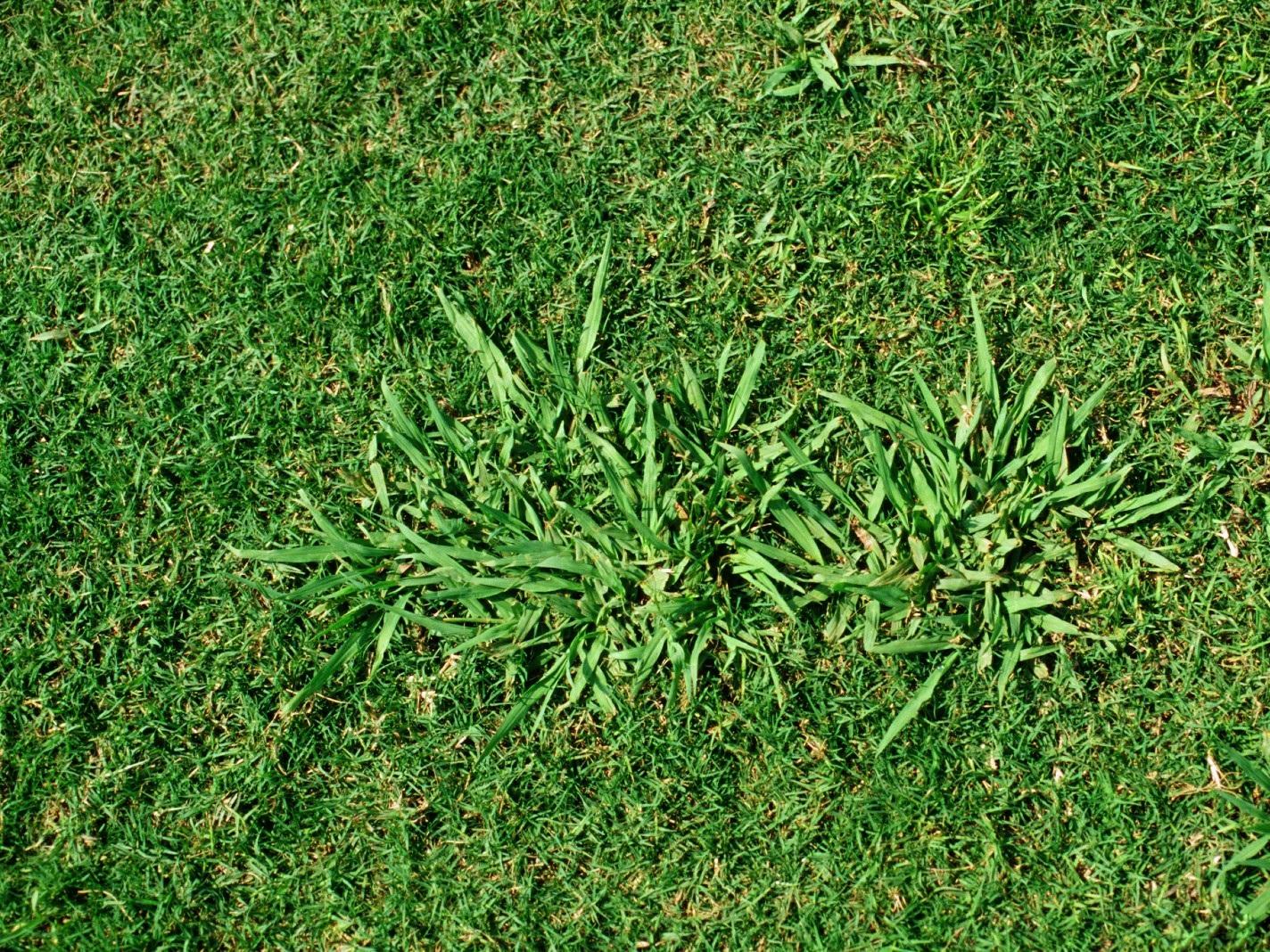
Large crabgrass (Digitaria sanguinalis)
Photo: Betty Marose

Updated: May 2, 2023

Quick tips for managing common lawn weeds

  • A healthy, dense, vigorous lawn is the best defense against common lawn weeds. Research shows that mowing fescue lawns to 3-4 inches and seeding bare spots will reduce crabgrass infestations. Practices that significantly reduce weeds in lawns include:
  • Identify the weed. This is very important in determining what the next step should be. 
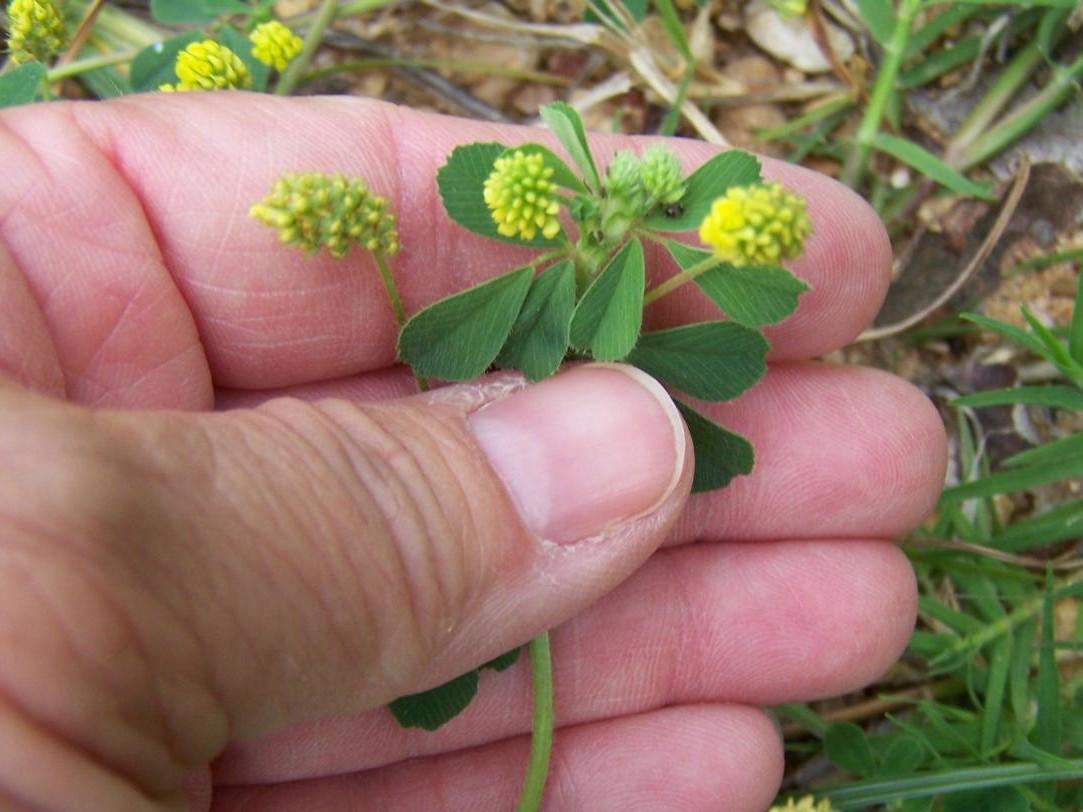
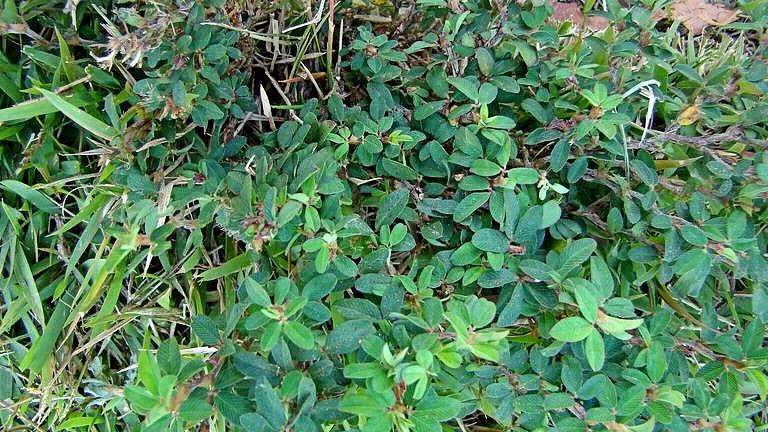
  • Weeds like nutsedge (soil too wet) and common lespedeza (dry, infertile soil) can indicate that growing conditions are poor for grass growth. Moss does not kill grass but moves into shady, moist areas where the grass has thinned out. If poor growing conditions (e.g., low sunlight, poor drainage, acidic and compacted soil) cannot be improved to favor turfgrass, weeds will continue to be a problem.
  • Regular mowing can help reduce weeds that spread from seed. Mow dandelions when they are flowering to prevent them from going to seed.
  • Weeds can be spotted treated with OMRI Listed® organic herbicides instead of conventional herbicides. 

Common lawn weeds

Broadleaf winter annuals

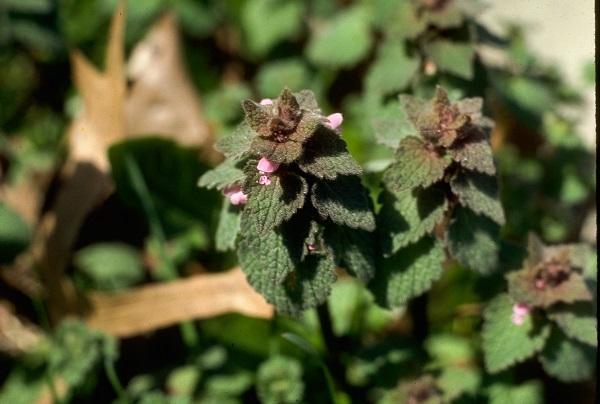
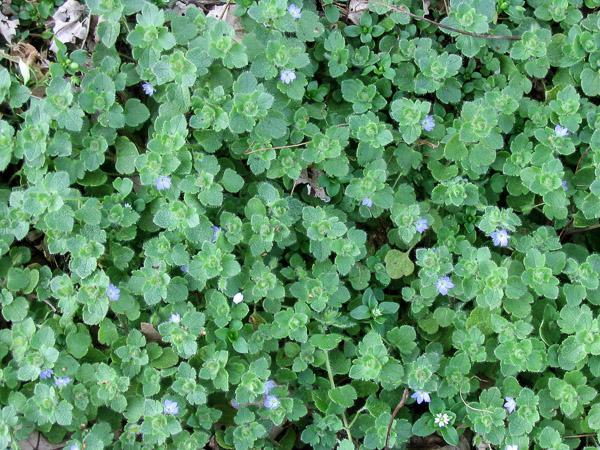
Seeds of these weeds germinate from late summer through fall. Plants overwinter and continue to grow in early spring.

Grassy winter annual 

Seeds germinate in late summer to early September.

Broadleaf summer annual weeds

Weed seeds begin to germinate as soils begin to warm up in early spring and continue to germinate throughout the growing season. Annual lawn weeds complete their entire life cycle in a single growing season. However, some of these weeds can also be perennials or biennials (produce leaves the first year and flower the second year).

Grassy summer annual weeds

Seed germination begins in early to mid-spring, when soil temperatures have risen to 55° - 60° F. for about a week. In Central Maryland; this is typically mid-March through mid-April. Seeds of common home weeds continue to germinate in the summer, and plants are killed by the first frost.

Broadleaf perennial weeds 

Perennials are persistent from year to year. They reproduce by seed and also by vegetative means. This is the largest group of weeds. They range from weeds that are easy to eliminate, to some of the most difficult to manage.

Grassy perennial weeds

These are some of the most difficult weeds to control in a lawn.

  • area full of bermudagrass weeds

    Bermudagrass or wiregrass

    Bermudagrass or wiregrass

    Photo: David J. Moorhead, University of Georgia, Bugwood.org

  • how dallisgrass looks in a lawn

    Dallisgrass

    Dallisgrass

    Photo: John D. Byrd, Mississippi State University, Bugwood.org

  • weedy nimblewill in a lawn

    Nimblewill

    Nimblewill

    Photo: Ohio State Weed Lab, The Ohio State University, Bugwood.org

  • orchardgrass

    Orchardgrass

    Orchardgrass

    Photo: Dr. Kevin Mathias, UMD

  • quackgrass

    Quackgrass

    Quackgrass

    Photo: University of Maryland Extension

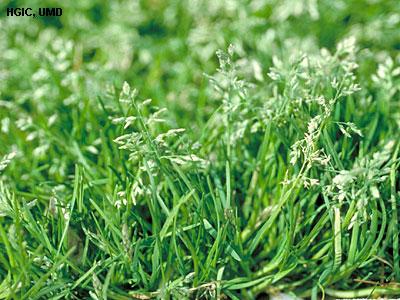
  • Roughstalk bluegrass. Photo: Mira Talabac, University of Maryland Extension

    Roughstalk Bluegrass

    Roughstalk Bluegrass

    Photo: Miri Talabac, University of Maryland Extension

Sedges

These plants are not grasses or broadleaf weeds.

Moss

Technically, is not a weed but sometimes people consider it to be.
It is actually an attractive groundcover in areas where grass does not grow well or is planted and maintained as a lawn alternative.

Moss in Lawns

Moss in the Landscape

Still have a question? Contact us at Ask Extension