Skip to main content
Menu
Get Involved
Give
Contact
Ask Extension
About
Leadership
UMD Extension Impact
Careers
Directory
Civil Rights Compliance
Extension Advisory Council and Committees
Program and Organizational Development
Resources
Animal Agriculture
Plant Agriculture
Yard & Garden
Pests
Natural Resources
Environment & Energy
Agribusiness Management
Food & Nutrition
Health & Well-Being
4-H & Youth Education
Programs
4-H Youth Development
Family & Consumer Sciences
Agriculture & Food Systems
Environment & Natural Resources
Home & Garden Information Center
Locations
Publications
News & Events
All News
Events
Invasive Herbaceous Plants
Home
Resources
Invasive Herbaceous Plants
For full functionality of this site it is necessary to enable JavaScript. Here are
instructions for how to enable JavaScript in your web browser
.
Sort by:
Date
Title
Updated: June 23, 2025
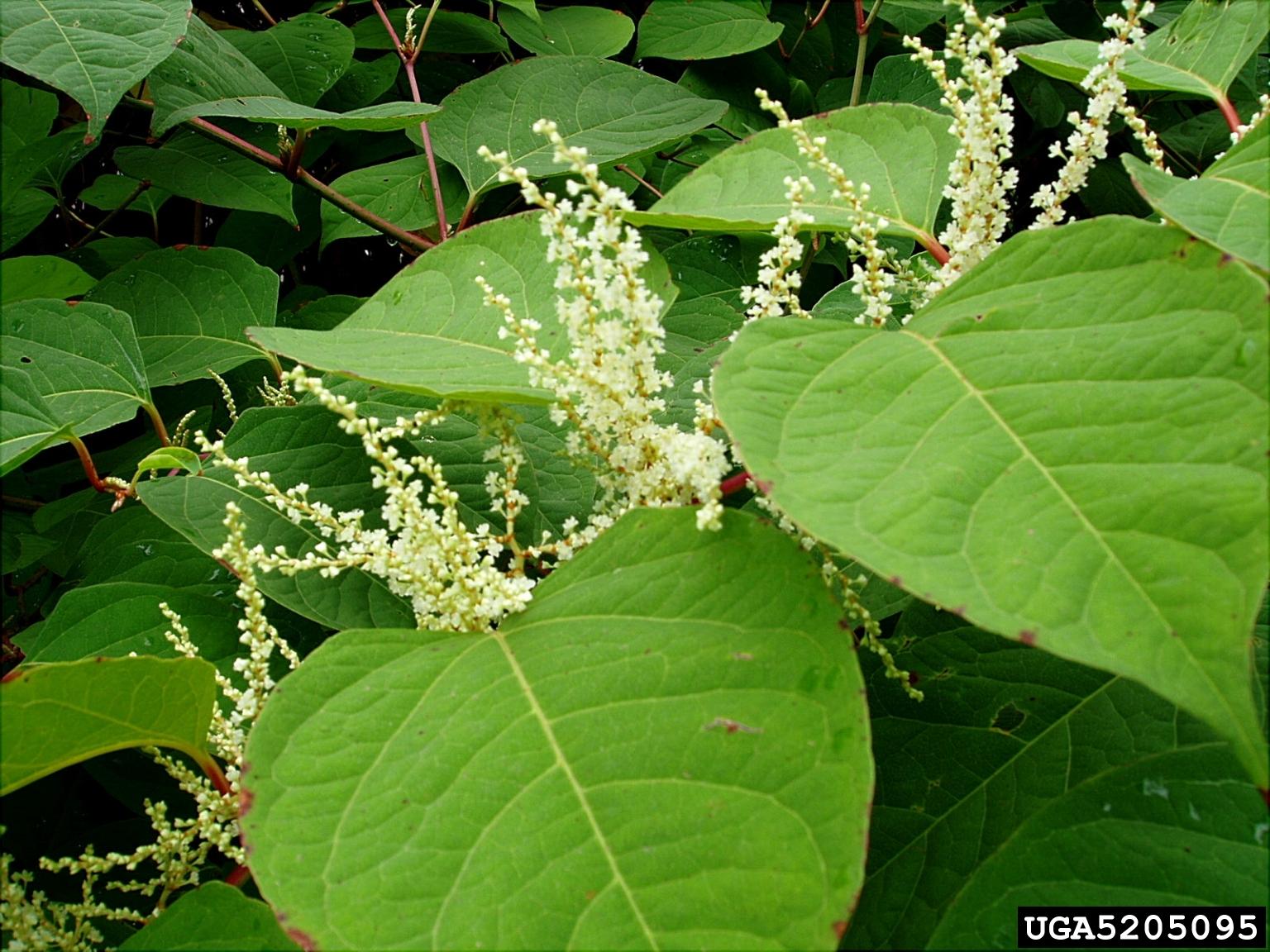
Invasives in Your Woodland: Japanese Knotweed (updated 2025)
Japanese knotweed is an upright, shrubby, herbaceous perennial plant that can grow to over ten feet in height. It commonly invades disturbed areas with full or mostly full sunlight, such as roadsides. However, it can tolerate shade, as well as high temperatures, high salinity, and drought.
Updated: June 18, 2025
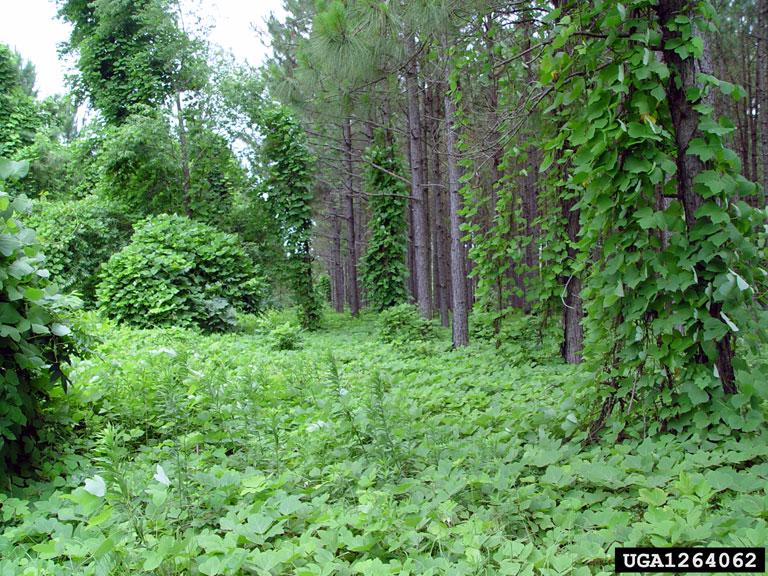
Invasives in Your Woodland: Kudzu
Kudzu is a deciduous, climbing, semi-woody perennial vine that grows 35 to 100 feet long. It grows via runners, rhizomes, and from nearly every node that touches the ground. It spreads most rapidly in open areas, including disturbed areas such as abandoned fields, roadsides, and forest edges.
Updated: June 17, 2025
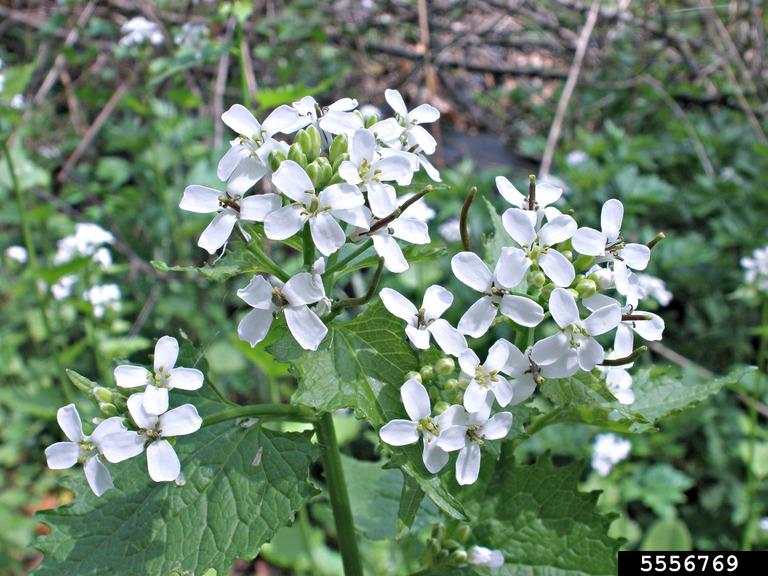
Invasives in Your Woodland: Garlic Mustard (updated 2025)
Garlic mustard is a biennial flowering plant in the mustard family that is an aggressive invader of woodlands throughout the United States.
Updated: June 17, 2025
Invasives in Your Woodland: Multiflora Rose (updated 2025)
Multiflora rose is one of the most common invasive plants in the mid-Atlantic region. Read how to identify it, how to keep it from spreading, and how to keep it in check.
Updated: June 16, 2025
Invasives in Your Woodland: Wavyleaf Basketgrass (updated 2025)
Wavyleaf basketgrass was first identified in the United States in Baltimore County, MD in 1996. It is less well-known than other invasives, but it is spreading rapidly in Maryland and Virginia.
Updated: April 16, 2025
Removing Invasive Plants and Planting Natives in Maryland
How to Transition an Area from Invasive to Native Plants
Updated: April 16, 2025
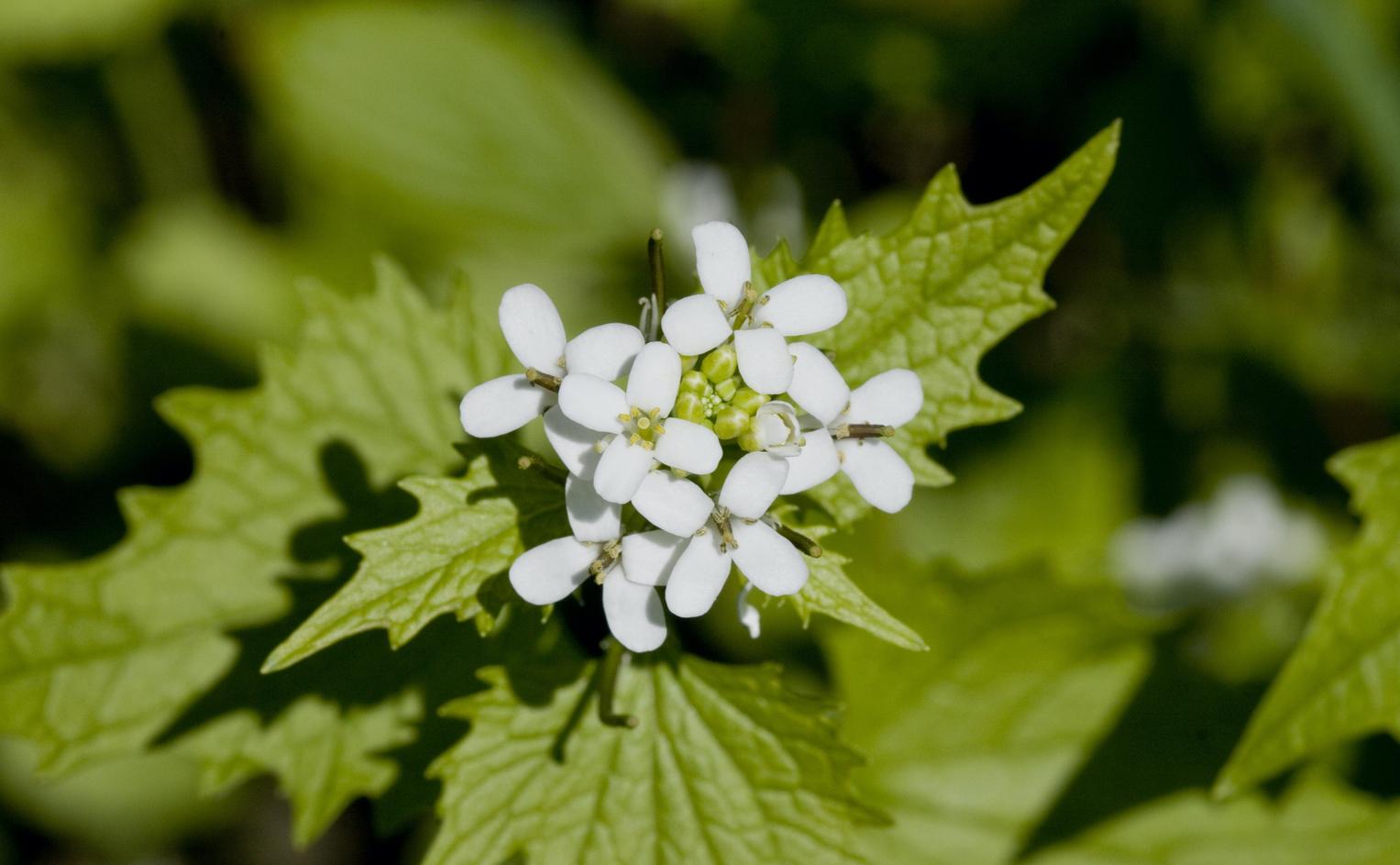
Garlic Mustard
How to identify and manage invasive garlic mustard.
Updated: April 16, 2025
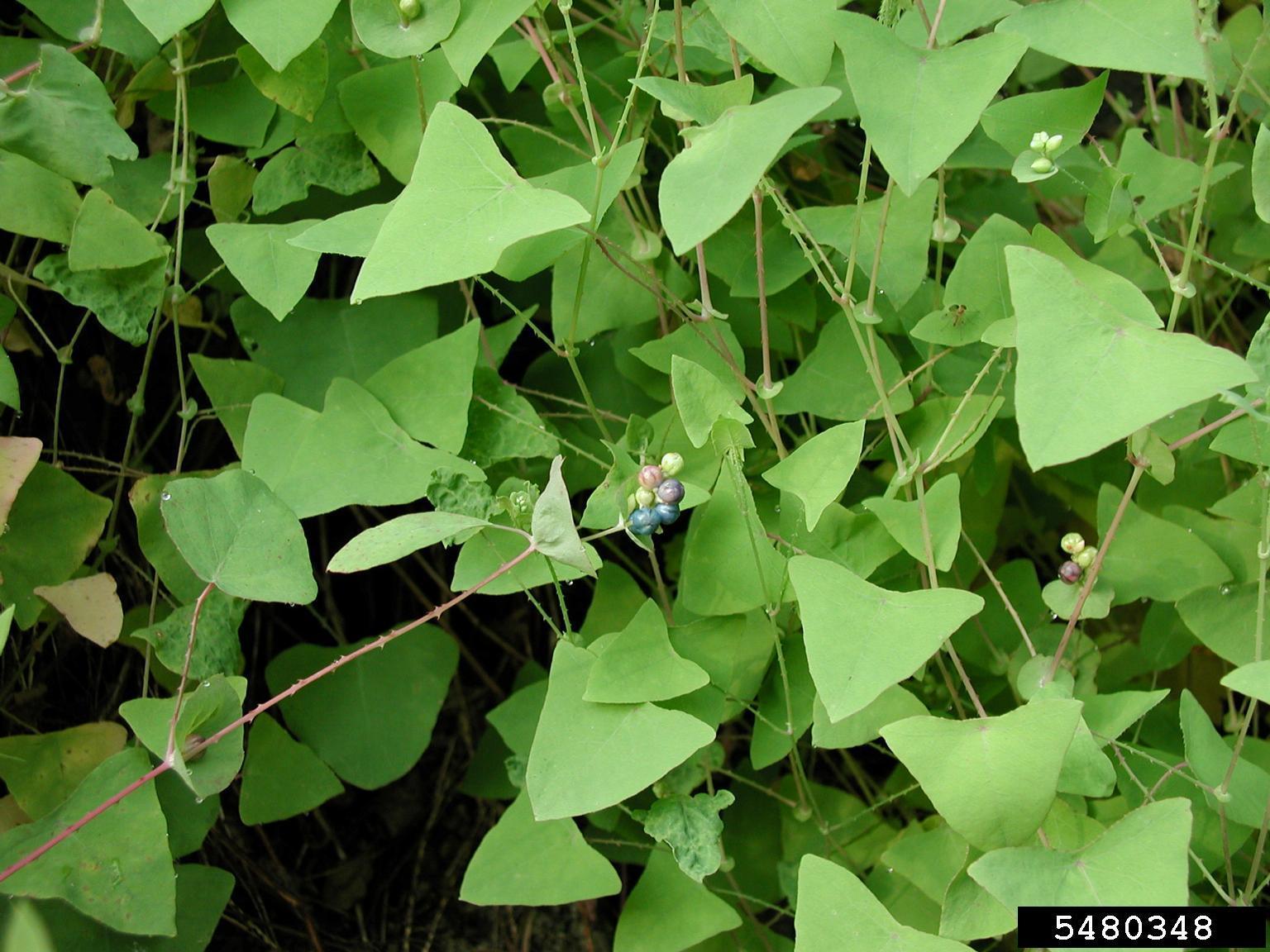
Mile-a-Minute
How to identify and manage invasive mile-a-minute vine.
Updated: March 25, 2024
Wavyleaf Basketgrass
How to identify and manage wavyleaf basketgrass using an Integrated Pest Management approach.
Updated: February 22, 2023
Invasive Herbaceous Plant Control
How to manage herbaceous invasive plants.
First
Previous
Page
1
Current page
2
Page
3
Next
Last