Skip to main content
Menu
Get Involved
Give
Contact
Ask Extension
About
Leadership
UMD Extension Impact
Careers
Directory
Civil Rights Compliance
Extension Advisory Council and Committees
Program and Organizational Development
Resources
Animal Agriculture
Plant Agriculture
Yard & Garden
Pests
Natural Resources
Environment & Energy
Agribusiness Management
Food & Nutrition
Health & Well-Being
4-H & Youth Education
Programs
4-H Youth Development
Family & Consumer Sciences
Agriculture & Food Systems
Environment & Natural Resources
Home & Garden Information Center
Locations
Publications
News & Events
All News
Events
Forest Health
Home
Resources
Forest Health
For full functionality of this site it is necessary to enable JavaScript. Here are
instructions for how to enable JavaScript in your web browser
.
Sort by:
Date
Title
Updated: June 26, 2025
Invasives in Your Woodland: Winter Creeper (Updated 2025)
Winter Creeper arrived in the U.S. in 1907 and has since spread throughout much of the eastern states. This vigorous evergreen perennial vine can grow in a variety of conditions, can grow into shrub thickets up to 3 feet high, and may climb into trees more than 60 feet above the ground.
Updated: June 26, 2025
Invasives in Your Woodland: Chinese and Japanese Wisteria (Updated 2025)
Chinese and Japanese Wisterias arrived in the U.S. in the early 1800s and have since spread to habitats across much of the eastern states. These twining and climbing vines can not only strangle and shade out trees, but can form dense thickets that suppress other native species.
Updated: June 25, 2025
Invasives in Your Woodland: Johnsongrass (updated 2025)
Afforestation is the process of planting trees in formerly open space. Because trees take time to mature, it is important to ensure that the seedlings have sufficient light and nutrients to grow. This often involves controlling growth of other species within the planting area, including invasive species such as the distinctive Johnsongrass. And once established in an area, Johnsongrass can out-compete many other species for nutrients and over-top them to rob them of sunlight.
Updated: June 25, 2025
Invasives in your Woodland: Porcelain-berry (updated 2025)
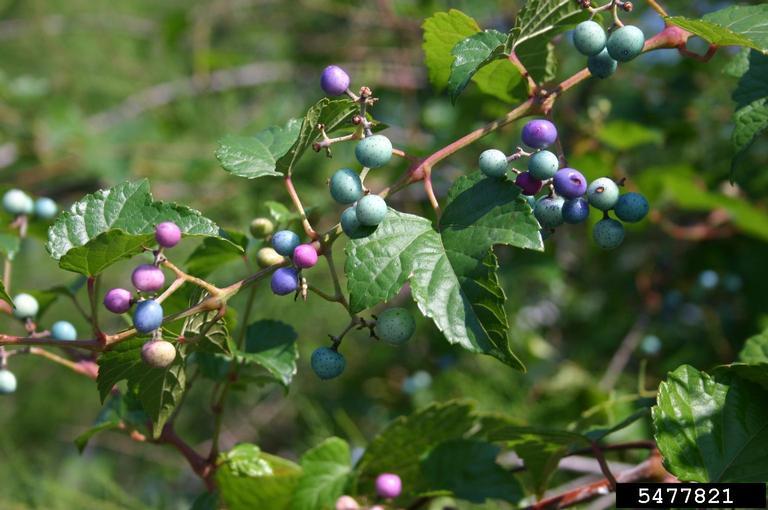
Porcelain-berry is a deciduous, climbing, woody vine introduced from northeast Asia in the 1870s. It became popular for its tolerance of adverse conditions and its ability to provide ground cover. However, it is an aggressive plant that invades damp, shady areas such as streambanks, forest edges, pond margins, and disturbed areas, and forms dense mats that crowds out native vegetation.
Updated: June 24, 2025
Invasives in Your Woodland: Tree-of-Heaven (Ailanthus) (Updated 2025)
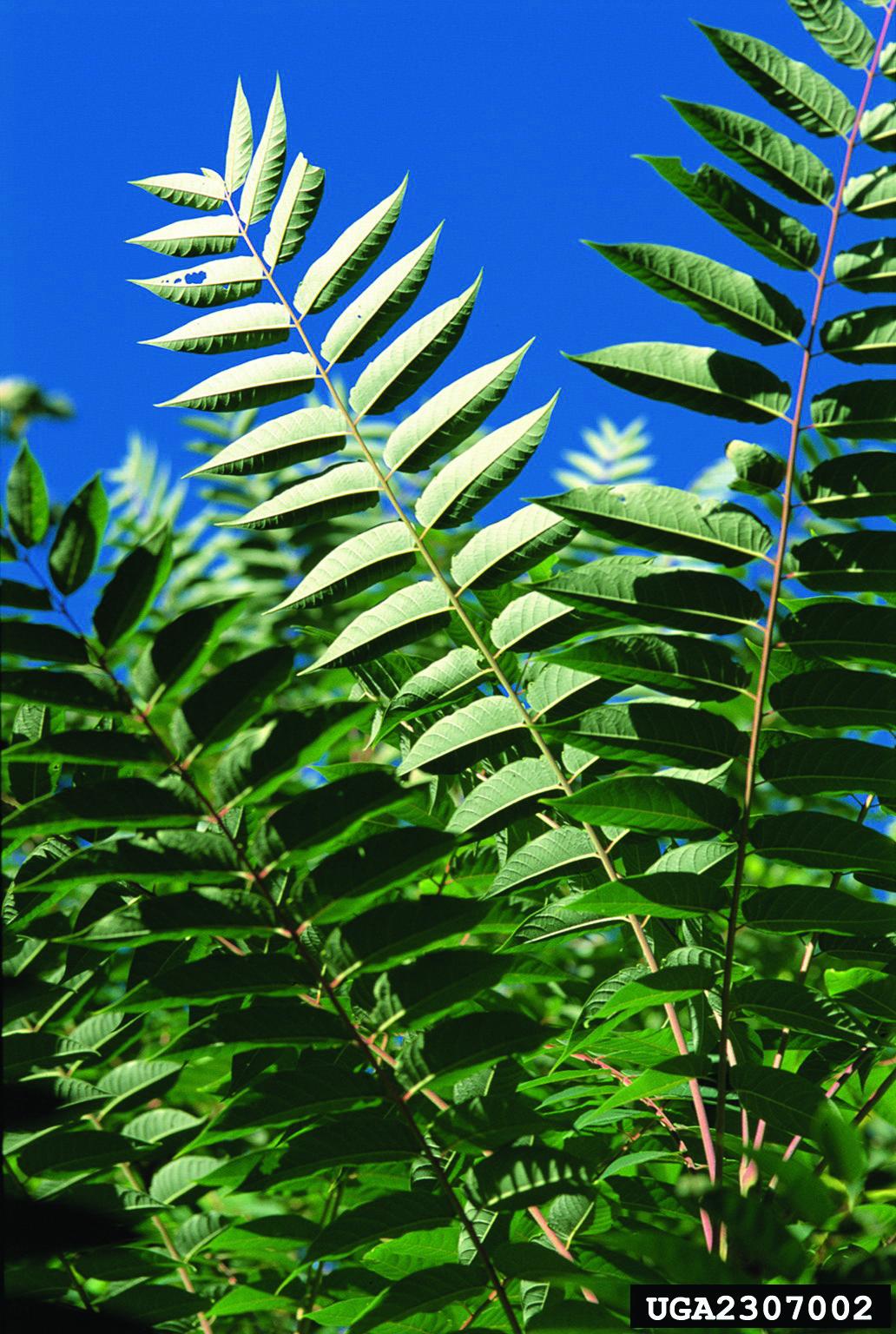
Tree-of-heaven has been receiving a significant amount of attention lately, and not just because it is a fast-spreading invader of woodlands throughout the mid-Atlantic states and beyond. the recent discovery of a new invasive insect in Pennsylvania, and its subsequent spread into adjoining areas, has lent new voice to advocates for the plant’s removal. Spotted Lanternfly, a recent arrival from Asia prefers tree-of-heaven as its host. This has led to an increased movement to remove tree-of-heaven from the landscape.
Updated: June 24, 2025
Invasives in Your Woodland - Winged Euonymus (updated 2025)
Winged euonymus is not widespread in the mid-Atlantic. Its greatest reported infestations are in the Midwest and Northeast. It has been found in much of central and southern Pennsylvania, far northern Delaware, southwestern Virginia, north-central West Virginia, and the greater Washington DC area.
Updated: June 23, 2025
Invasives in Your Woodland - Butterflybush (updated 2025)
Butterflybush is a rarity among non-native, invasive species. It has a wide variety of cultivars and a wide range of supporters among retail outlets as well as some environmental observers. It is also benefitting from positive public relations related to the decline of butterflies. However, it is indeed invasive, and contributes to (rather than mitigates) the decline of pollinators.
Updated: June 23, 2025
Invasives in Your Woodland: Japanese Knotweed (updated 2025)
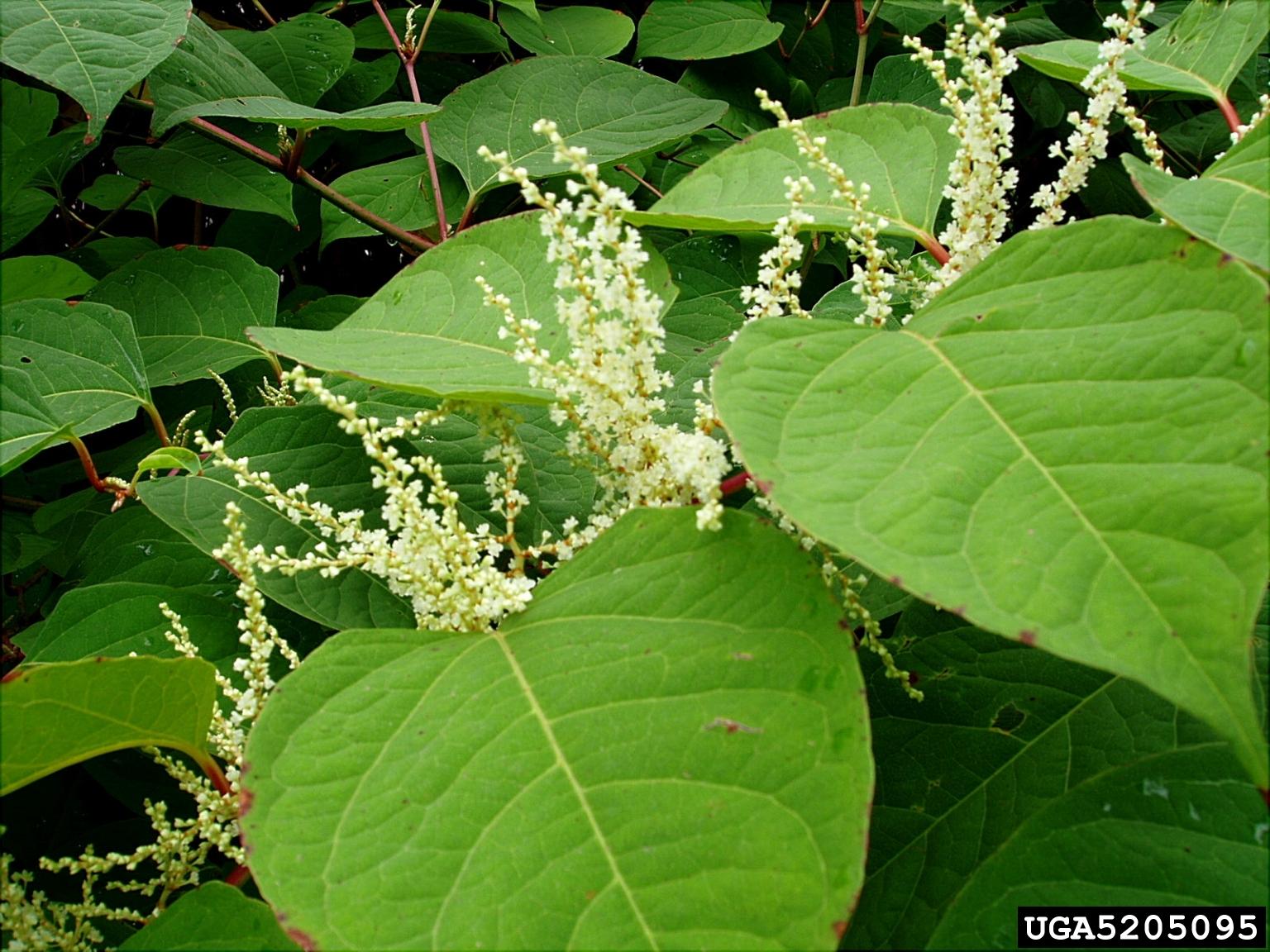
Japanese knotweed is an upright, shrubby, herbaceous perennial plant that can grow to over ten feet in height. It commonly invades disturbed areas with full or mostly full sunlight, such as roadsides. However, it can tolerate shade, as well as high temperatures, high salinity, and drought.
Updated: June 18, 2025
Invasives in Your Woodland: Kudzu
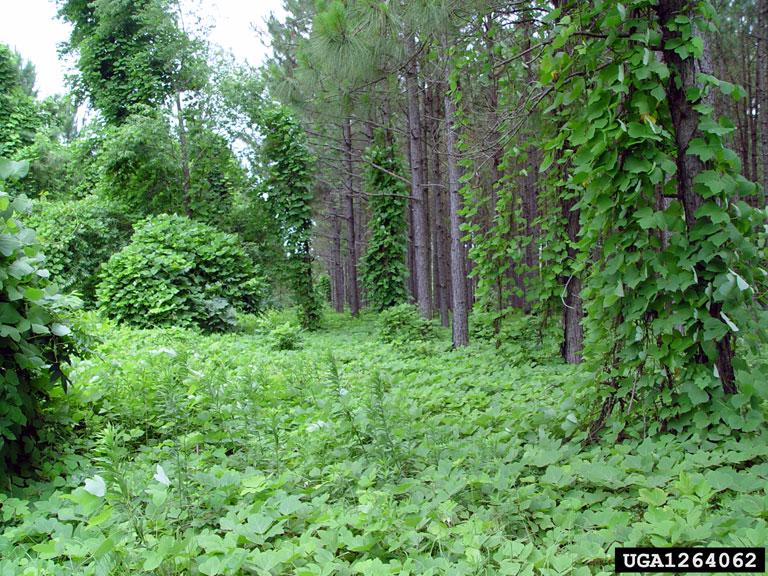
Kudzu is a deciduous, climbing, semi-woody perennial vine that grows 35 to 100 feet long. It grows via runners, rhizomes, and from nearly every node that touches the ground. It spreads most rapidly in open areas, including disturbed areas such as abandoned fields, roadsides, and forest edges.
Updated: June 18, 2025
Invasives in Your Woodland: Japanese Honeysuckle (Updated 2025)
Japanese honeysuckle grows in a variety of habitats, including woodlands, wetlands, and disturbed areas, such as fence rows, roadways and rights-of-way. It is shade-tolerant and often smothers and kills native ground-level vegetation. It can also kill shrubs and saplings by girdling.
First
Previous
Page
1
Page
2
Page
3
Current page
4
Page
5
Page
6
Page
7
Page
8
Page
9
…
Next
Last