

FS-1071 | April 2018
Grow It, Eat It, Freeze It, The Basics of Freezing Foods at Home
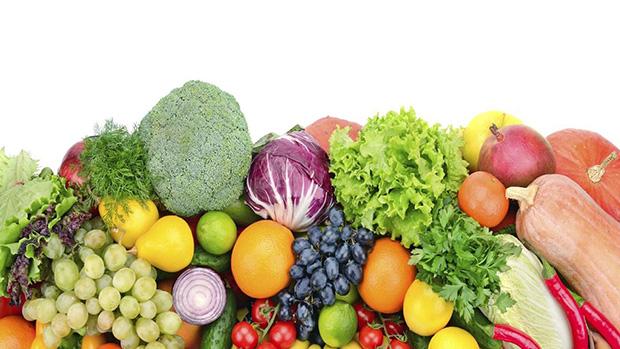
Preserving and Freezing food
One of the fundamental reasons we preserve food is to create a sustainable supply of food throughout the year, especially during inclement weather. Preserving foods during peak season can be costeffective for the consumer as well as the farmer. Buying foods when they are “in season” is less costly than purchasing them in the “off season.” When consumers purchase food to preserve, it means less food waste for the farmer.
Freezing is a simple, quick and convenient method to preserve food. Dating back to the 1800’s, it is still the most common food preservation method used today. Most foods, from ready-to-eat foods to fresh produce, meats and seafood, can be frozen. Unlike other food preservation methods, freezing is less likely to affect the color, flavor or nutritional value of the food. Freezing also helps to preserve foods in a specific portion sizes (for an individual or a family). Best of all, there are no complex cooking skills or equipment required.
A limitation to freezing food is the need for freezer space. Obtaining adequate space may include the cost of an additional freezer. Another concern is that the freezer is dependent on electricity to keep food frozen. When power is out for an extended period, there is potential for spoilage of the frozen food.
Flavorful Frozen Foods Depend on the Quality of Food You Freeze and Implementing Recommended Scientific Guidelines for Freezing
Food Science behind Freezing
Fresh fruits and vegetables contain chemical compounds called enzymes, which control the ripening process and can cause loss of color, flavor and nutrients. Freezing only slows enzyme activity so other methods may be needed to minimize losses and maintain quality.
Some vegetables, but not all, require blanching to deactivate enzymes and stop the ripening process. Blanching is the process of exposing the vegetables to boiling water or steam for a short period of time, following the directions for the specific vegetable. This minimizes nutrient loss and ensures quality and freshness. Exposure to air also produces an enzymatic reaction, which cause some fruits and vegetables to turn brown. You can add products that contain ascorbic acid or vitamin C to prevent the browning in fruits before freezing. Be sure to follow package directions or use a tested recipe for syrup packs for fruits.
Air exposure can also cause high-fat foods, like meats, to develop an off flavor. To prevent these foods from coming in contact with air, wrap them well using freezer-safe material or use a vacuum seal that eliminates air in the container.
Freezing can change the texture of foods. Most fruits and vegetables contain up to 90% water, which gives them structure and texture. When fruits and vegetables are frozen, the water in them expands and causes the cell walls to rupture. This makes frozen foods softer, mushy and sometimes more watery than the raw product. To counteract this effect, serve frozen fruits before they are completely thawed. In the partially thawed state, the effects of freezing are less noticeable.
Cooking thawed foods, such as vegetables before serving also reduces the changes in texture from freezing. The texture changes for some high-starch vegetables like peas, corn and lima beans, are not as noticeable.
Microorganisms, like bacteria, mold and yeast, are present on all fresh foods. These microorganisms multiply rapidly in temperatures between 40°F and 140°F. The freezing process does not kill the microorganisms but it does prevent them from growing. Blanching will destroy some of the microorganisms, but not all of them. Since there are still microorganisms present that could multiply and cause the food to spoil when it thaws, proper handling of thawed food is important. Inspect frozen products that may have accidentally thawed due to loss of power or the freezer door being left open. Do not assume that you can refreeze this food and it will be safe to eat. It is important to thaw food safely and heat to proper temperatures to kill microorganisms.
Basic Steps to Freezing
Freezing is simple to do with these basic steps:
- Gather all your freezing materials together before beginning. Be sure your work area is clean and sanitary.
- Select produce at its peak flavor, maturity and freshness. Freezing does not improve the quality or taste of the food. Sort for size, ripeness and color.
- Wash produce under running water to remove dirt and debris and drain it before freezing. Do not allow produce to soak in water. Do not use galvanized, copper or iron pans or bowls. The acid in fruit could react with the metals which can create off-flavor in the food.
- Prepare foods for freezing. Some vegetables may require special preparations like blanching. Most fruits have better flavor and texture if packed in sugar or syrup. Some fruits can be dry packed without any additional sweetener.
- Pack food in containers designed for freezing. These may include freezer bags, plastic and glass containers. Work in small batches for freezing to maintain high-quality products. Pack foods in quantities based on your family size. It is better to pack in smaller quantities for even freezing and thawing. Pack foods tightly to remove air but remember to leave head space to allow food to expand during freezing.
- Freeze foods at 0°F or less. The length of time to freeze food for optimum quality and taste depends on the food. Fruits and vegetables have the longest shelf life of frozen foods and should be used within 8-12 months. Meats and
processed foods have a shorter shelf life in the freezer. Put a label on your frozen food and add the date that it was packed and “use by” date. Foods are still safe to eat after the recommended time but they may lose quality.
References
- So Easy to Preserve- sixth edition, The University of Georgia Extension, 2014. National Center for Home Food Preservation.
- http://www.extension.umn.edu/food/food-safety/preserving/freezing/the-science-of-freezing-foods/
LISA MCCOY
DHRUTI PATEL
dhrutip@umd.edu
This publication, Grow It, Eat It, Freeze It, The Basics of Freezing Foods at Home (FS-1071), is a part of a collection produced by the University of Maryland Extension within the College of Agriculture and Natural Resources.
The information presented has met UME peer-review standards, including internal and external technical review. For help accessing this or any UME publication contact: itaccessibility@umd.edu
For more information on this and other topics, visit the University of Maryland Extension website at extension.umd.edu
University programs, activities, and facilities are available to all without regard to race, color, sex, gender identity or expression, sexual orientation, marital status, age, national origin, political affiliation, physical or mental disability, religion, protected veteran status, genetic information, personal appearance, or any other legally protected class.
When citing this publication, please use the suggested format:
McCoy, L., & Patel, D. (2018). Grow It, Eat It, Freeze It, The Basics of Freezing Foods at Home (FS-1071). University of Maryland Extension. go.umd.edu/FS-1071