
Updated: August 26, 2025
Composting (FS-2023-0687)
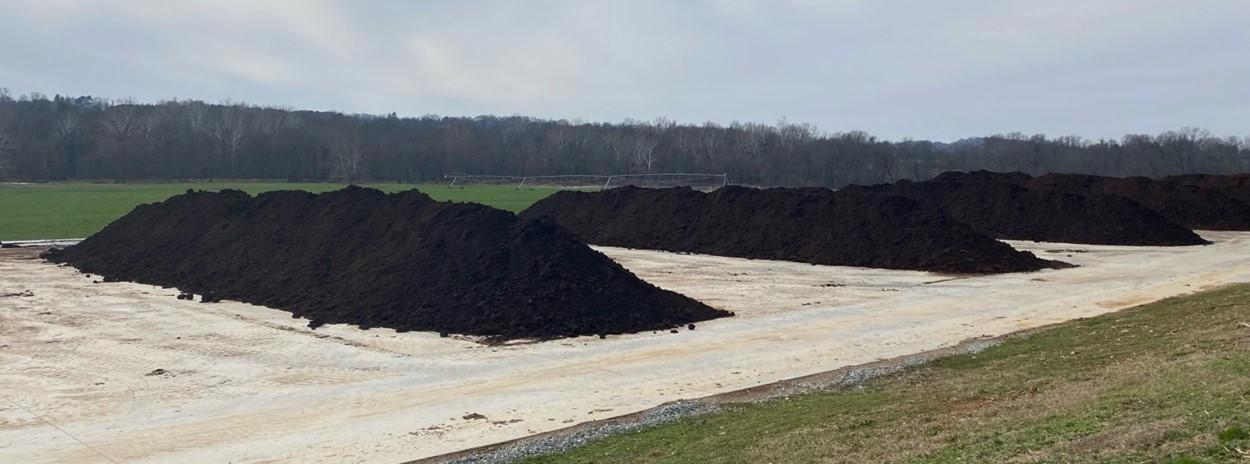
Composting is an aerobic biological process that transforms organic materials, such as manure, food waste, and yard waste, into a nutrient-rich soil conditioner called “compost.” This Factsheet is part of the “Animal Waste Technology” series. Authors: Amro Hassanein, Stephanie Lansing, and Danielle Delp; Title: Composting (FS-2023-0687).
Updated: May 20, 2025
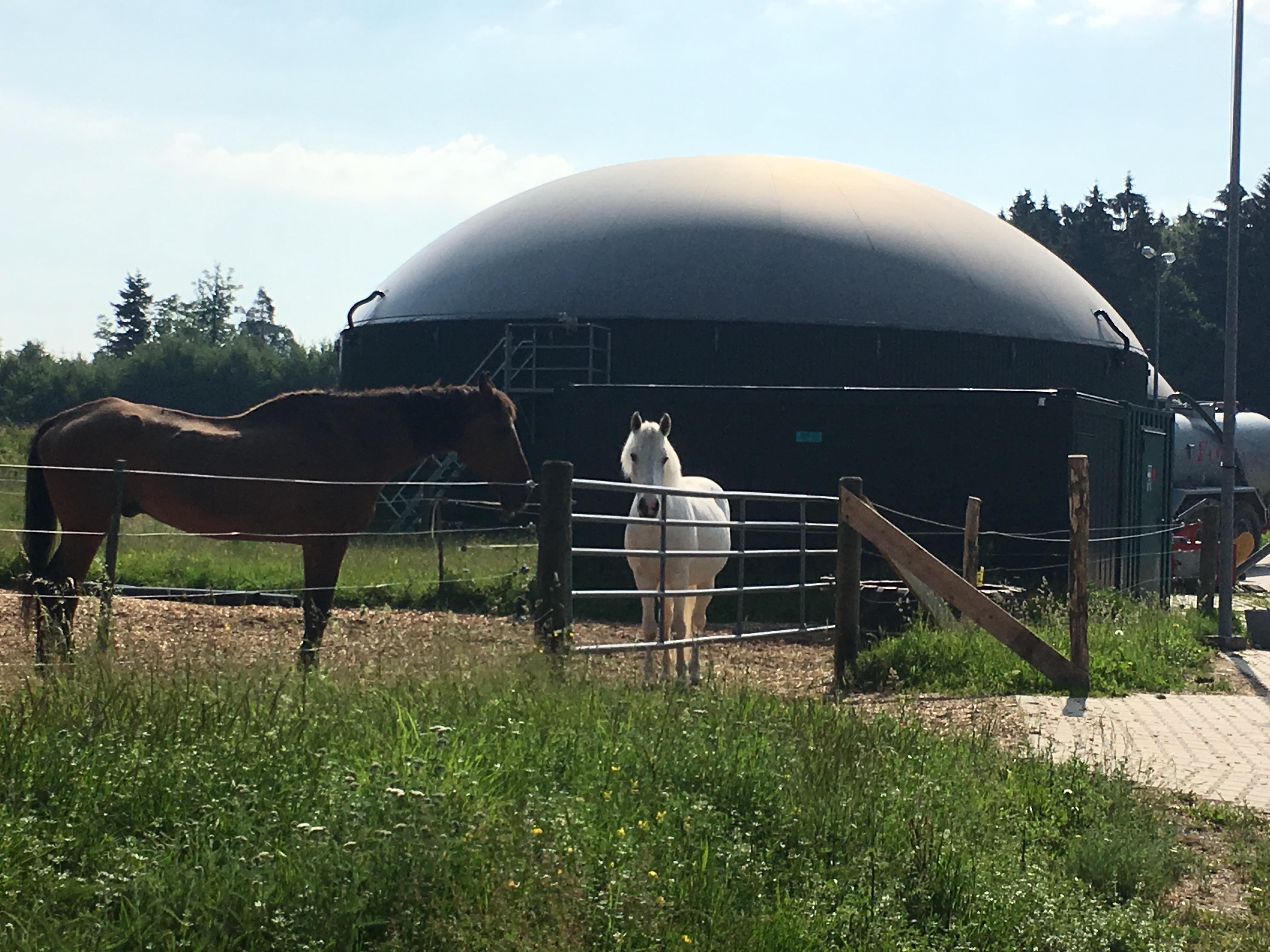
A Case Study: Anaerobic Digestion of Dairy Manure and Food Processing Waste with Renewable Energy, Composting and Manure Injection (FS-2023-0694)
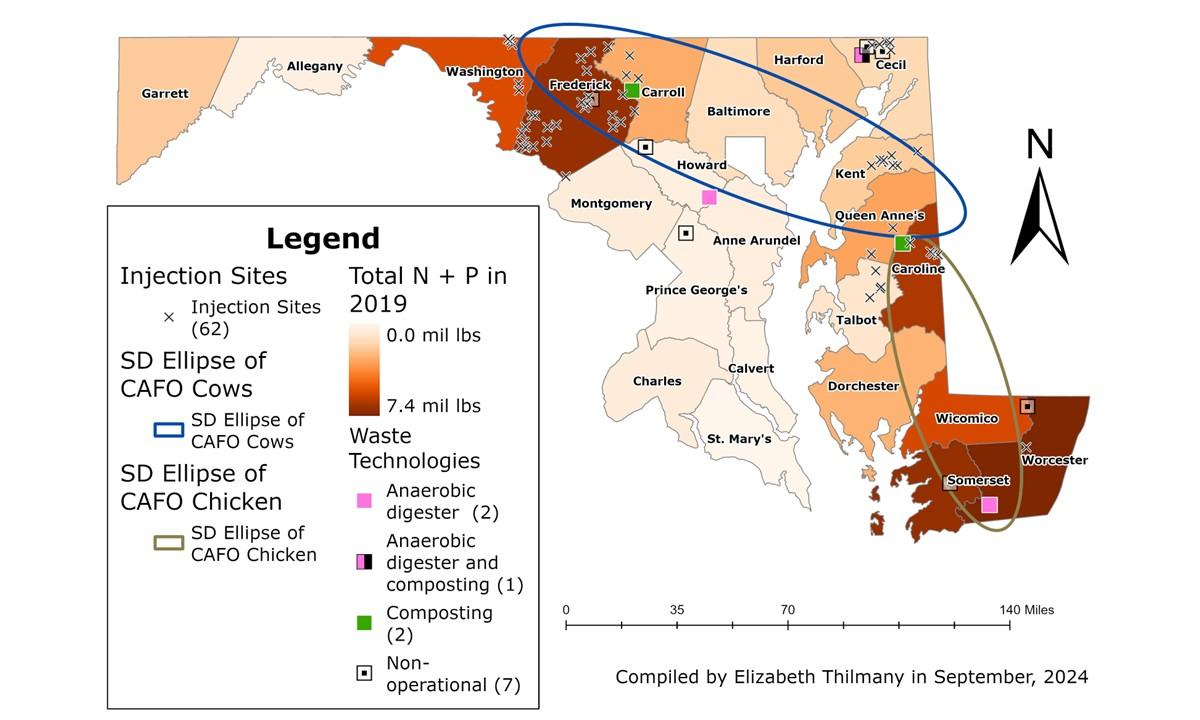
Anaerobic digestion of manure with food processing waste resulted in renewable electricity production for 190 house and reduced 81% of greenhouse gas emissions from manure management. The solids were separated from the manure for composting, with the digester effluent injected into the soil as a fertilizer. This FactSheet is part of the ‘Animal Waste Technology’ series. Authors: Kirkland Mahoney, Amro Hassanein, and Stephanie Lansing; Title: A Case Study: Anaerobic Digestion of Dairy Manure and Food Processing Waste with Renewable Energy, Composting and Manure Injection (FS-2023-0694).