Skip to main content
Menu
Get Involved
Give
Contact
Ask Extension
About
Leadership
UMD Extension Impact
Careers
Directory
Civil Rights Compliance
Extension Advisory Council and Committees
Program and Organizational Development
Resources
Animal Agriculture
Plant Agriculture
Yard & Garden
Pests
Natural Resources
Environment & Energy
Agribusiness Management
Food & Nutrition
Health & Well-Being
4-H & Youth Education
Programs
4-H Youth Development
Family & Consumer Sciences
Agriculture & Food Systems
Environment & Natural Resources
Home & Garden Information Center
Locations
Publications
News & Events
All News
Events
Pricing
Home
Resources
Pricing
For full functionality of this site it is necessary to enable JavaScript. Here are
instructions for how to enable JavaScript in your web browser
.
Sort by:
Date
Title
Updated: June 4, 2021
Determine Your Contributive Margin Before Setting Your Price
As the marketing and cropping season gets into full swing, there are always questions about product pricing, marketing costs, and decision on what to produce. In the pricing module I use to teach the “Food for Profit” classes, we approach pricing by looking at both fixed and variable costs. These are terms most business folks are very familiar with but don’t often set down and really pencil out for their operation.
Updated: June 4, 2021
COVID-19 Impact Survey Results on Maryland Producers
A lot has happened on the farm marketing scene since March 2020. Farmers, processors, and other small businesses have quickly adapted to stay in business in a constantly changing environment of pivoting markets, processing bottlenecks, and government support programs.
Updated: June 4, 2021
Capturing the Bounce; Surviving the Dip
As we move through the realities the Covid-19 protocols, many are experiencing first hand its effect on their business’s viability. Whether you are dealing with a constricted or delayed Farmers Market, an unprecedented spike in your online and delivery orders, or sympathizing with your restaurant buyers whose sales have been restricted to pick-up and curbside options only. It is an unpredictable time and with so much information flying around, it’s hard to pause and consider what your business might look like when these restriction ends. There are no clear answers at this time, but that doesn’t mean there aren’t actions you can take to affect the outcomes. We just know things will won’t be going back to the way they were before Covid-19.
Updated: June 4, 2021
Can SMART Ever Be Dumb??
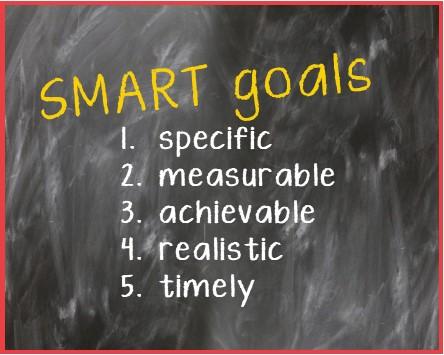
December is often a “Slam” month for most direct marketers. Holiday sales, year-end inventories to conduct, annual profit projections, and the final push of multiple last quarter marketing initiatives that were often launched even before Halloween. The major goal is to end the year in the financial black. Other goals now take a back seat.
Updated: June 4, 2021
Adjusting Direct Marketing to Selling On-line, a 24-7 Opportunity
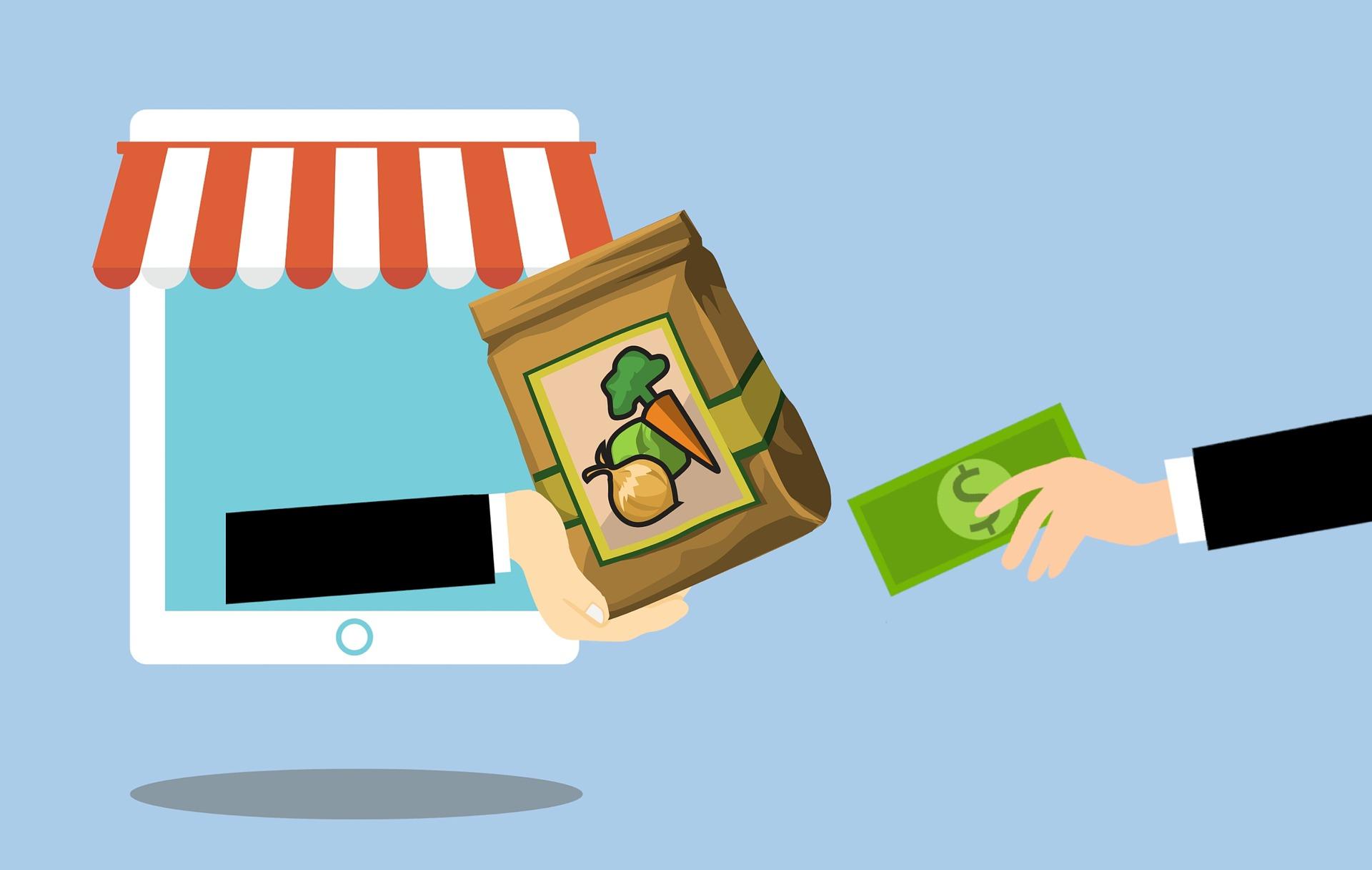
A shift was already underway to ordering food online in America, prior to the arrival of the coronavirus pandemic. U.S. online grocery sales grew 22% in 2019 and, propelled by high demand from nationwide COVID-19 lockdowns, stands to surge about 40% this year, according to the Coresight Research U.S. Online Grocery Survey 2020. Shopping for food online has become normal, if not the “new normal”. Farmers who direct market their products and craft food entrepreneurs can also implement the online tools necessary to capture these profitable food and beverage sales.
Updated: March 10, 2021
Wholesale
Selling in quantity to a buyer who then resells the product. Most agricultural products in the US are sold through wholesale channels. Small farmers may sell wholesale directly to local grocery stores, natural food stores, food service establishments, and food buying co-ops or to buyers who then serve as the middle man in the marketing chain.
Updated: March 10, 2021
Choosing Distribution Methods
Since distribution is the means of getting your product into the hands of your customers, first look at how your competitors’ products are sold. Make a list of any competitors in your marketing area that could compete directly with you for the same list of customers. This list should then be divided into different distribution channels. For example, direct farm markets, farmers’ markets, Internet sales, business-to-business, specialty stores, or niche markets.
Updated: February 19, 2021
Processing for Profits
Processing For Profits-An Assessment tool and guide for small-scale on-farm food processors This publication addresses product development, manufacturing, understanding the food safety system, labeling, acidified food, FAQs about Maryland’s food regulations, specific Maryland processed farm products, business planning, and marketing for specialty food producers and processors. Any producer interested in the potential and pitfalls of on-farm and value-added food processing will find this new resource helpful in their planning and implementation process.
Updated: February 17, 2021
How to Accept SNAP/EBT and WIC Payments as a Farmer
With increased direct-to-customer sales, and changes to farmers' markets, some farmers have been asking about how to accept SNAP/EBT and WIC food payments (previously called “food stamps”).
Updated: February 12, 2021
Are You and Your Products Ready For Retail Sales?
The first issue (July 2020) of the "Maryland Retail Products Producer News & Notes". In this issue Ginger shares the results of a survey that was conducted.
First
Previous
Page
1
Page
2
Page
3
Page
4
Page
5
Current page
6
Page
7
Next
Last