
Water Quality for Spraying Counts!
For fruit growers the spray season has begun. Water sources, whether well or surface, have different factors to be considered. Some wells with slow recovery rates cannot keep up with frequent spray intervals or when there are many acres to spray. Efficient producers fill a holding tank with water from their well overnight or during times they are not spraying. That reserved water makes filling a spray tank quicker, especially when that fill needs to be repeated several times a day.
The holding tank below fills from above and has a "toilet-type" float shut off that engages when the tank is full. An air gap is maintained between the fill line and the water surface, even when at maximum capacity.
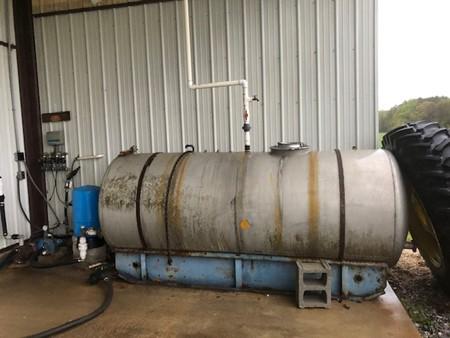
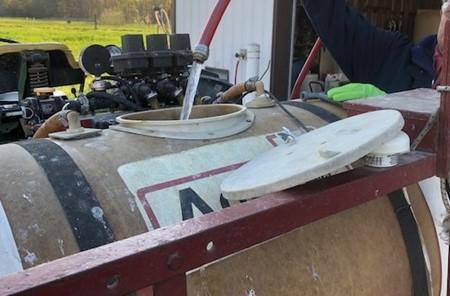
Be sure to have an air gap between the hose and the surface of the liquid in the spray tank. A backflow prevention device on the hose bibb is also required. Both the air gap and the backflow prevention device will prevent tank water from siphoning back into your water source and contaminating it with chemicals and residue from the tank.
Why use well water? Most chemicals will not work effectively unless the water quality is good. Dissolved minerals, pH, alkalinity, and hardness can negatively affect chemical activity. An agricultural assessment of your water can be obtained through a qualified lab.
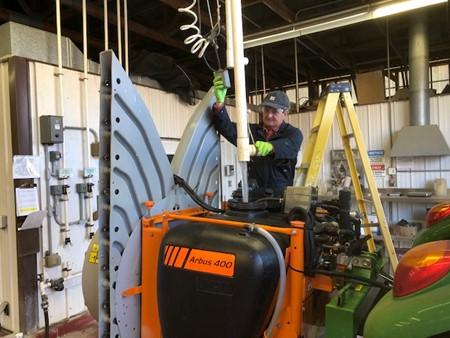
What about pond water? Again, water quality is very important to maximize the chemical activity of your product. Suspended solids in pond water can also be a problem, and filtration would be necessary to eliminate that issue. Regardless of your water source, test your water to ensure its compatibility with the products you use.
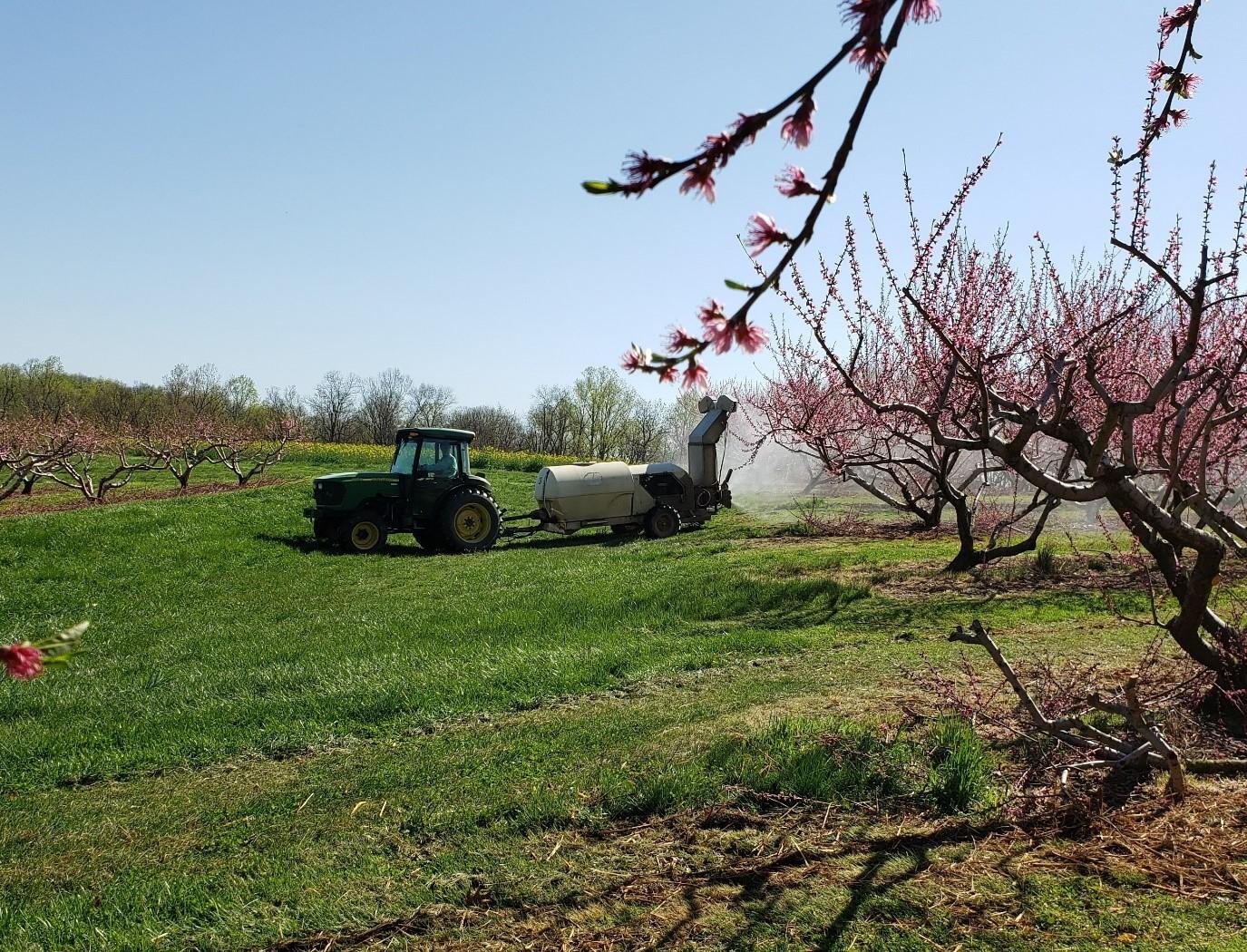
There is another factor to be considered if using surface water (pond or stream), what about produce safety? The standards set by Maryland Good Agricultural Practices (GAP) require that all water contacting the edible portion of the crop must have an average (3 tests per season) of no more than 126 CFU*/100 mL of generic E.coli, and any single test cannot be greater than 235 CFU/100 mL generic E.coli.
*Colony Forming Units
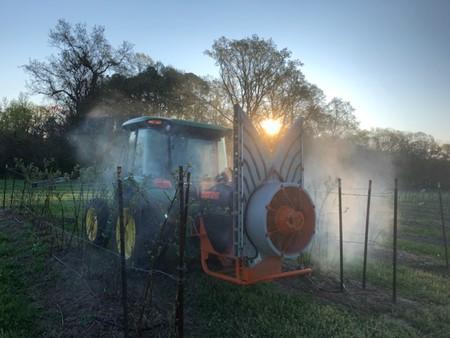
As the harvest date nears, MD GAP requires that potable water (total coliform bacteria 0, nitrates <10 mg/L, and turbidity < 10 NTU*) be used for all chemical applications. Non-potable water can be used if a die-off period of sufficient duration is observed between application and harvest to reduce the risk of microbial contamination (see last week’s newsletter for a discussion on using die-off, https://mailchi.mp/1c1bc554e70e/food-safety-newsletter-for-maryland-farmers-19877042?e=[UNIQID]). The non-potable water still must fall within the contact water standards.
*Nephelometric Turbidity Units
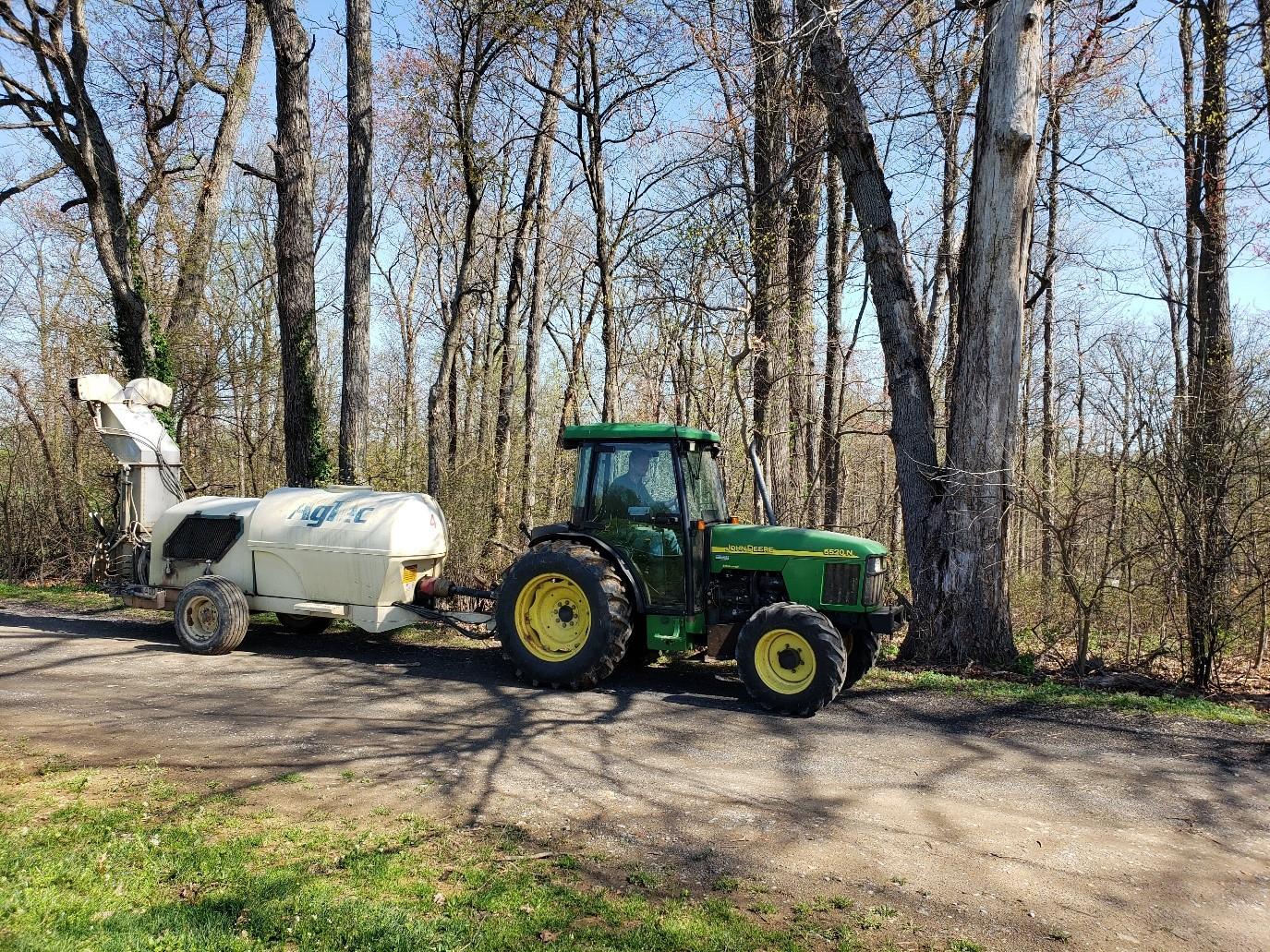
Under Maryland GAP standards, well water should be tested at the beginning of the season. A test result of; total coliform bacteria 0, nitrates <10 mg/L, and turbidity < 10 NTU would establish its potability, and it would be appropriate for contact with fresh produce for all pre and post-harvest activities.
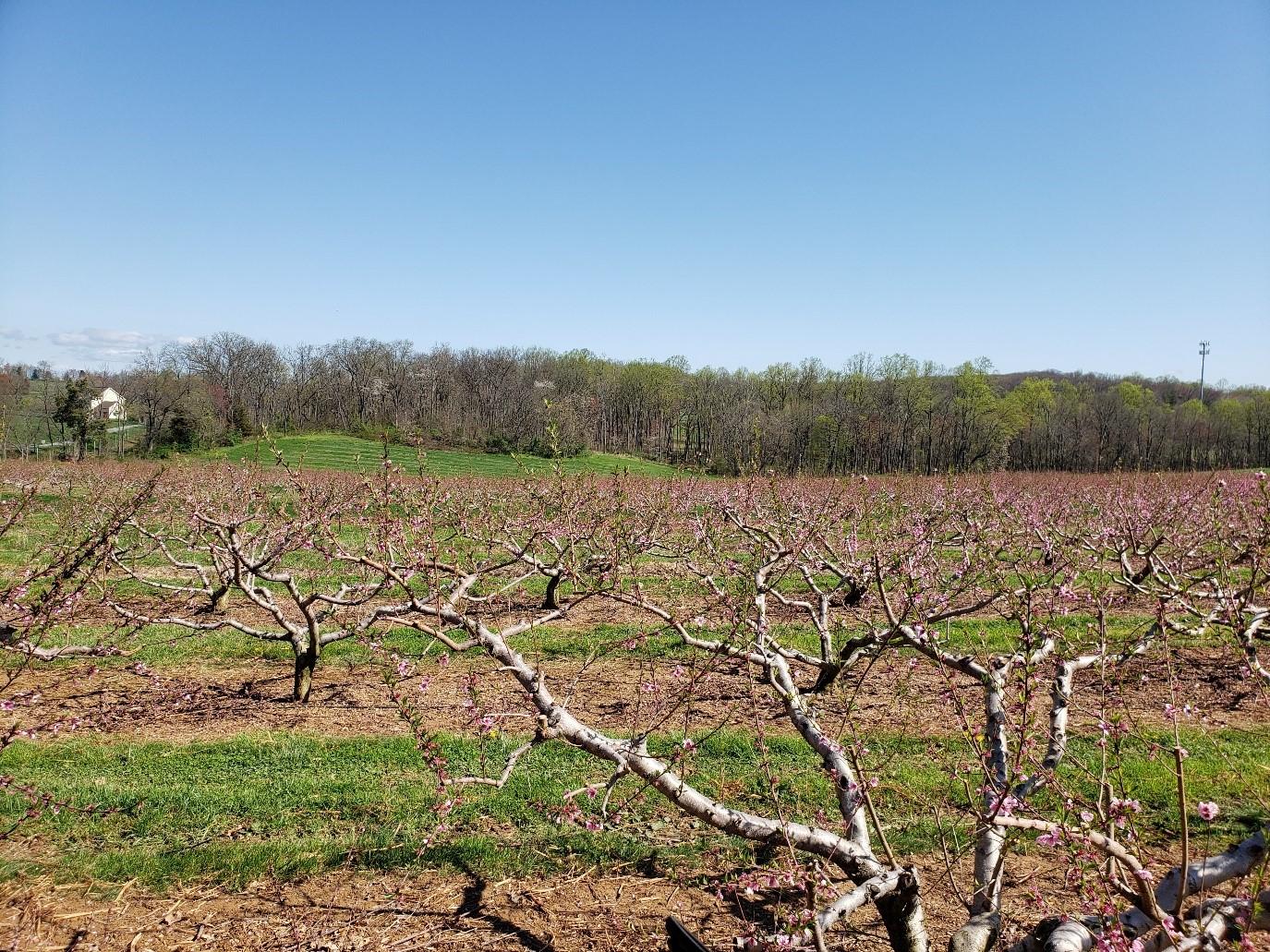
The Produce Safety Rule states that all agricultural water must be safe and of adequate sanitary quality for its intended use. A water risk analysis should be performed on the spray water source. Water testing, while not required, would provide a history of microbial contamination and would aid in determining the relative risk. The Federal standard for potabilty is 0 generic E. coli in a 100 ml sample.
Become familiar with your local, state approved water testing labs. Contact the labs for business hours and water testing protocol. Find a certified lab here: https://extension.umd.edu/programs/environment-natural-resources/program-areas/wells-septic-systems-and-water-quality/water-quality-and-testing/certified-water-testing-labs/
This article is featured in the Vegetable and Fruit News, Vol. 16, Issue 2.
Vegetable and Fruit News is a statewide publication for the commercial vegetable and fruit industries and is published monthly during the growing season (April through October). Subscribers will receive an email with the latest edition.
Subscribe