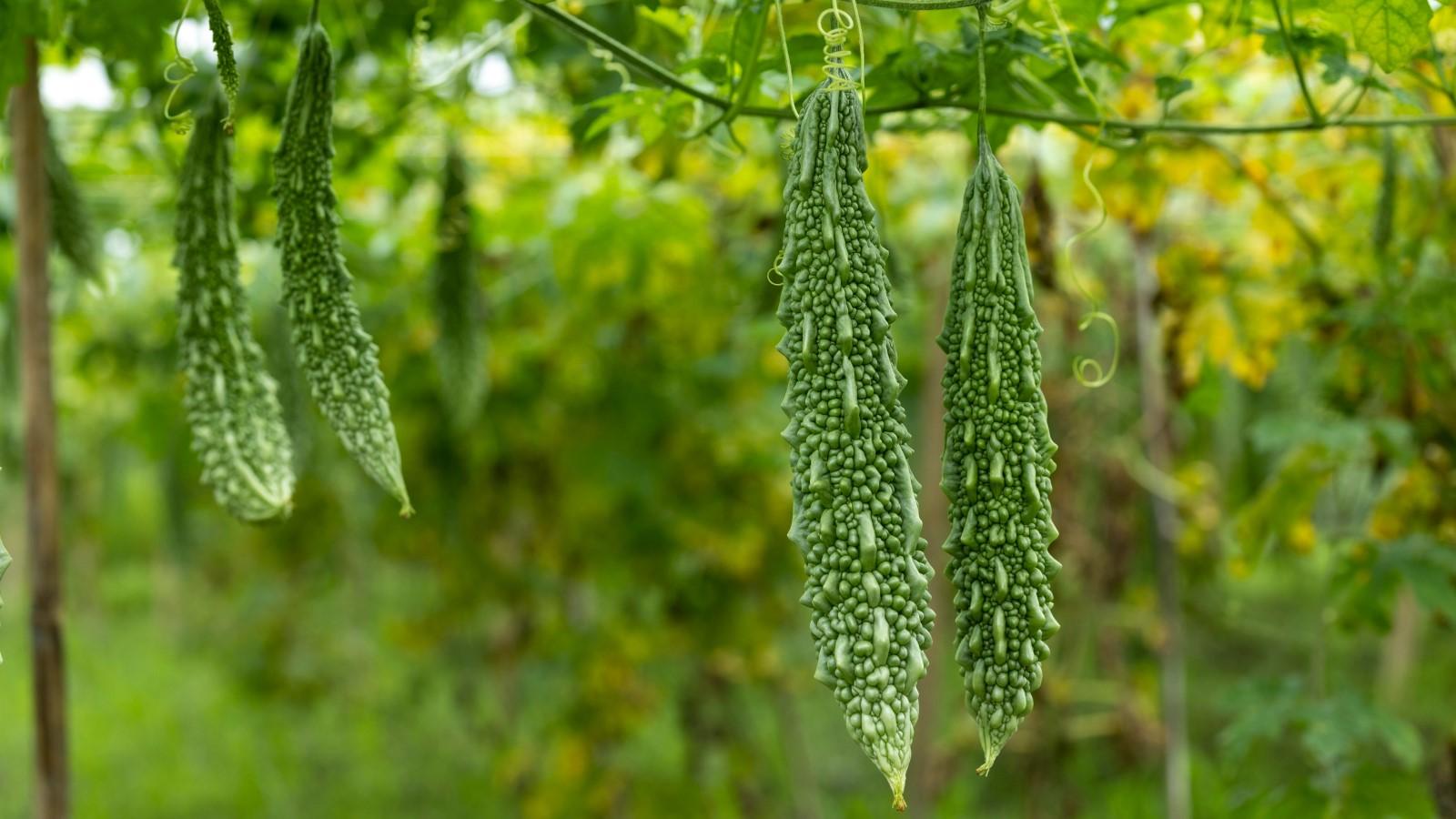
Bitter melon fruits ripening on the vine. Photo via Adobe Stock.
Updated: July 23, 2026
Cultivating global cuisines
Gardening is a great way to access food crops from around the world that may be hard to find locally. In 2023, 17% of Maryland’s residents were immigrants and 9.2% of its US-born residents lived with at least one immigrant parent (American Immigration Council). Many residents from African, Asian, Latin American, South American, and Caribbean countries buy and grow foods that are an essential part of traditional dishes, cultures, and family histories.
Many of these crops could help make all Marylanders healthier and more food-secure because they have important nutritional and medicinal qualities and are climate-resilient (heat-tolerant and water-conserving relative to commonly grown warm-season vegetable crops). Okra and cowpeas (African origin) and sweet potatoes (South American origin) are examples of climate-resilient crops widely grown in Maryland and in tropical and subtropical regions around the world.
Crops that may be invasive
The vegetable planting calendar includes crops from diverse cultures and cuisines. As more world crops (also known as “culturally inclusive” or “ethnic” crops) are grown in Maryland, we are learning about their potential invasiveness. Avoid unintentional spread by harvesting before plants ripen seed, by cutting or pinching flower and seed heads, and by pulling any seedling plants that show up elsewhere in your garden. In particular, callaloo (Amaranthus viridis), garden huckleberry (Solanum scabrum), and water spinach (Ipomoea aquatica) can become invasive.
World crops for Maryland gardens
The following list is an introductory sample of the popular world crops that can be successfully grown in Maryland.
African eggplant
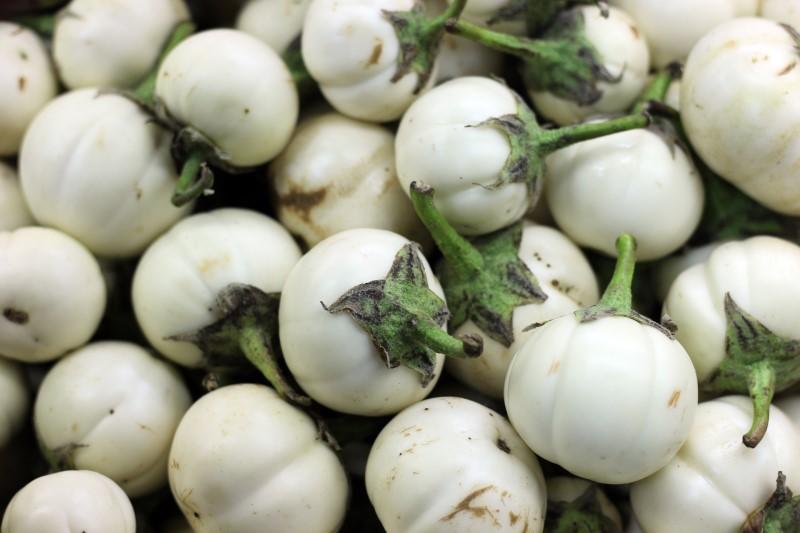
Solanum macrocarpon. Photo via Adobe Stock.
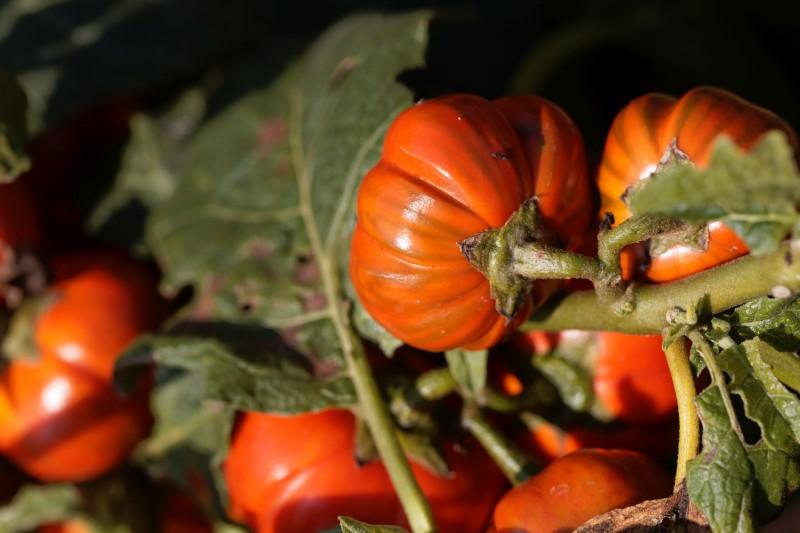
Solanum aethiopicum. Photo via Adobe Stock.
Botanical names: Solanum macrocarpon, Solanum aethiopicum Nightshade family (Solanaceae)
Many different types of eggplant are grown around the world, and used in a variety of ways in various cuisines. All varieties of eggplant share similar cultivation methods, and are grouped together in the vegetable planting calendar.
Solanum macrocarpon is native to the West African coast and produces small green or white fruits that may be mild or bitter in flavor. It is cultivated in Africa, Southeast Asia, North and South America, and the Caribbean. The leaves of S. macrocarpon (Gboma) are cooked and eaten, but it’s essential to follow proper preparation and cooking methods because the leaves contain toxic alkaloids.
African eggplant resources
African Eggplant | Infonet, Biovision Farmer Communication Programme
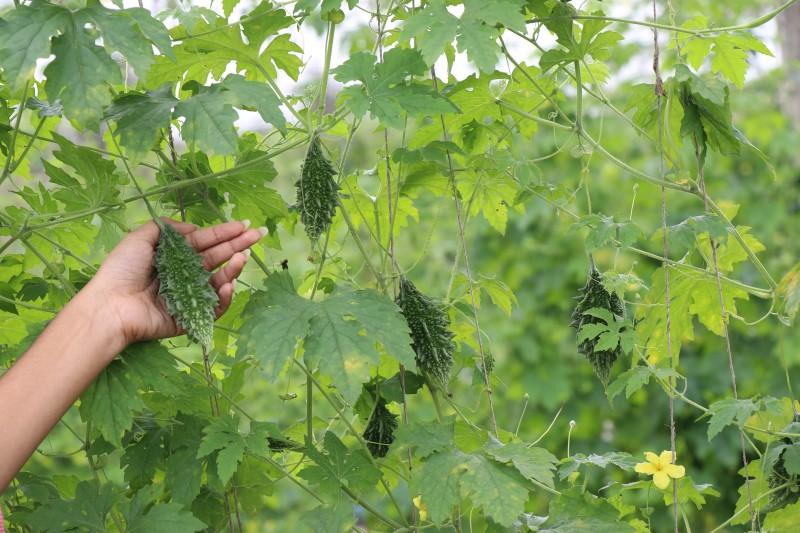
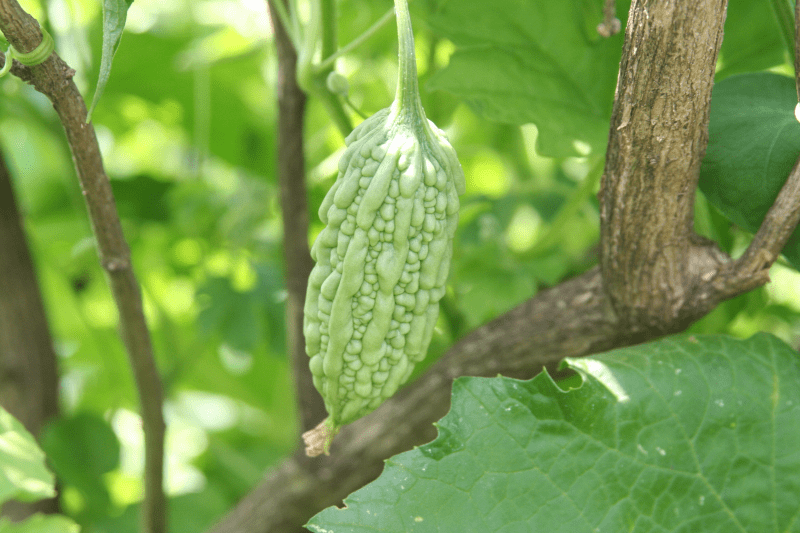
Ripening bitter melon fruit. Photo: Jon Traunfeld.
Botanical name: Momordica charantia Squash family (Cucurbitaceae)
Bitter melon originated in Africa and is a popular vegetable crop in East Africa, Asia, India, South America, and the Caribbean. It is an important and widely-used plant for treating diabetes. There are at least two basic forms: Chinese and Indian. The Chinese form has long fruits with rounded ridges that mature 65 to 70 days after transplanting. The Indian form has shorter, warty fruits with ridges and pointed ends which mature 50 to 60 days after transplanting.
Fruits are harvested and eaten in the immature stage. Fully-ripened fruits and seeds are potentially toxic. The leaves and shoot tips are also edible.
The 15- to 20-foot-long vines require a sturdy trellis. Like other squash species, the plants have separate male and female flowers on the same plant which require cross-pollination by bees and other insects.
Botanical name: Vernonia amygdalina (some references list it as Gymnanthemum) Aster family (Compositae)
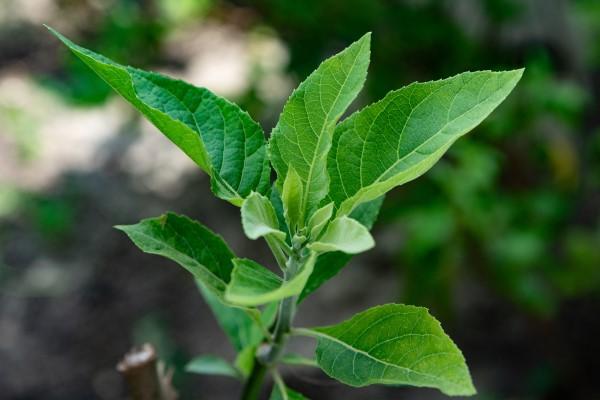
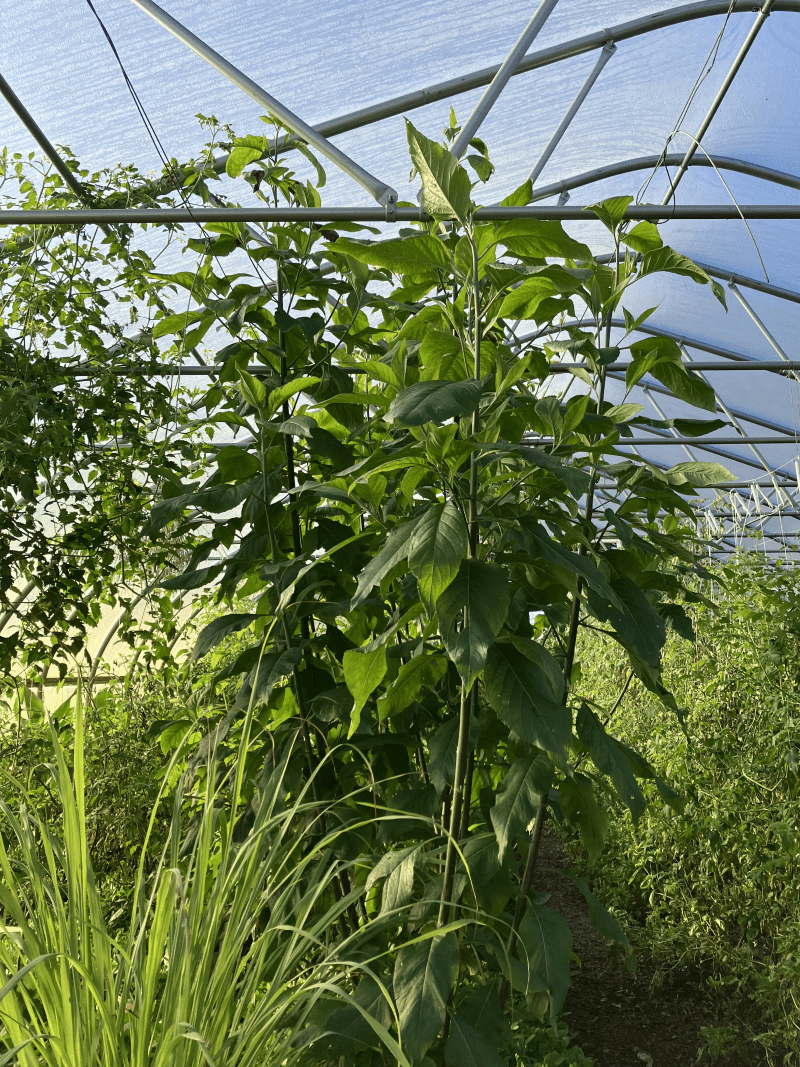
Bitter leaf is a culturally and medicinally important crop in West and Central Africa. It grows as a large, single-stem or multi-branched annual, and does well in high heat with limited irrigation. It is propagated by stem cuttings or seeds.
Bitter leaf must be processed with hot or cold water to remove its bitterness, which comes from anti-nutritional compounds like alkaloids, glycosides, tannins, and saponins. A common preparation is to slice the leaves, rinse and squeeze out the water three times to remove bitterness, then sauté or boil with vegetables and other ingredients. Fresh leaves (after multiple rinses) can also be added to smoothies or used to make hot tea. Leaves can also be used dried.
A tall bitter leaf plant growing with other vegetables in a high tunnel.
Photo: Jon Traunfeld
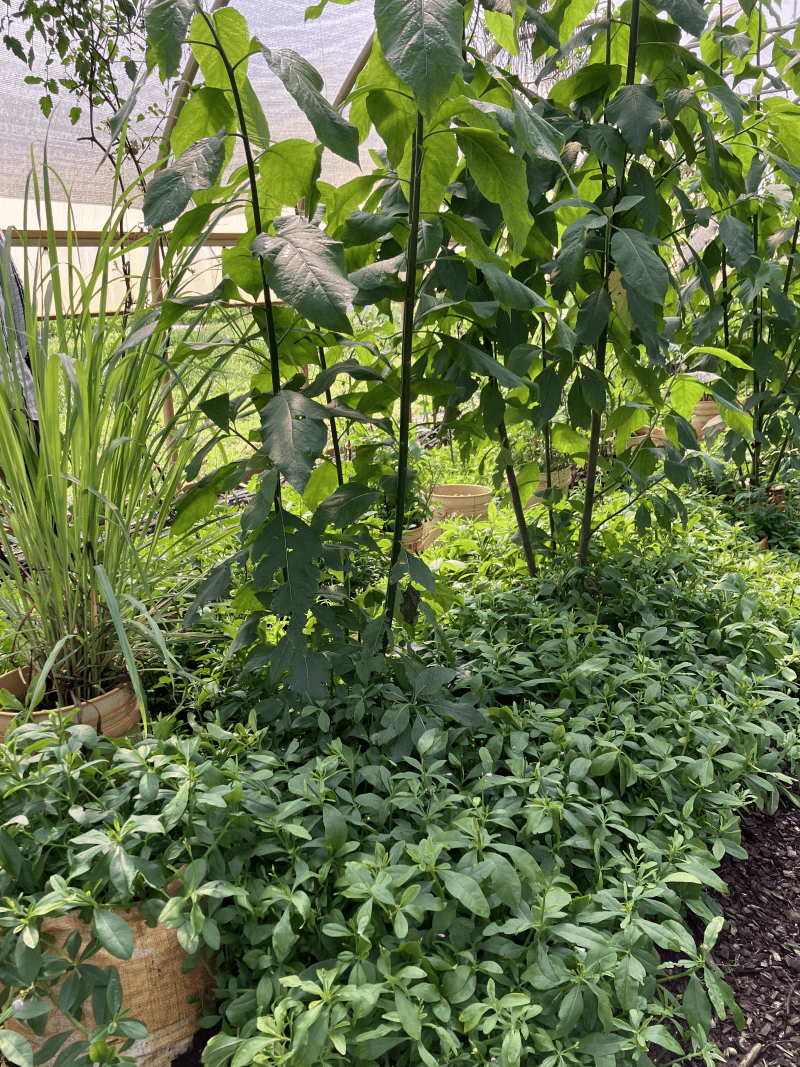
Tall bitter leaf plants underplanted with waterleaf.
Photo: Jon Traunfeld
Bitter leaf resource
Bitter leaf | Infonet, Biovision Farmer Communication Programme
Leafy amaranth
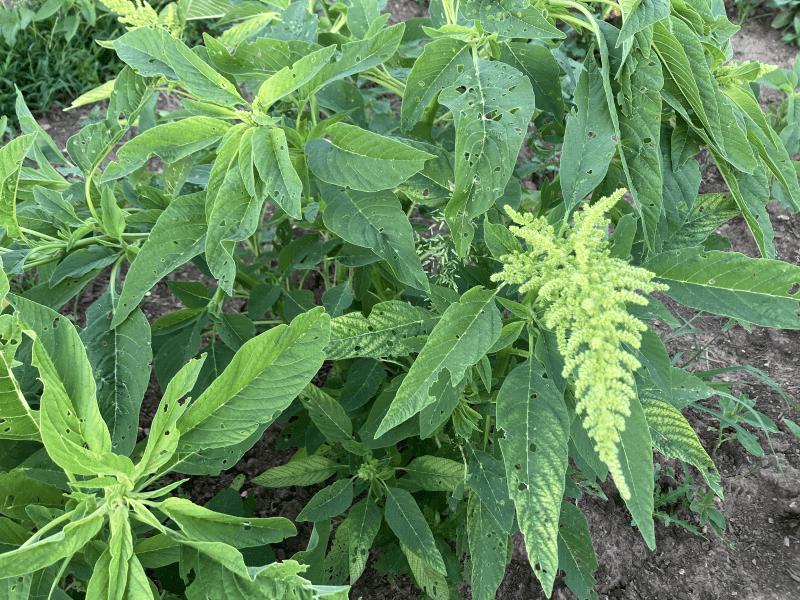
Long-leaf type of callaloo showing a large flower and seed head. These should be removed as soon as they appear to avoid unwanted seedlings.
Photo: Jon Traunfeld
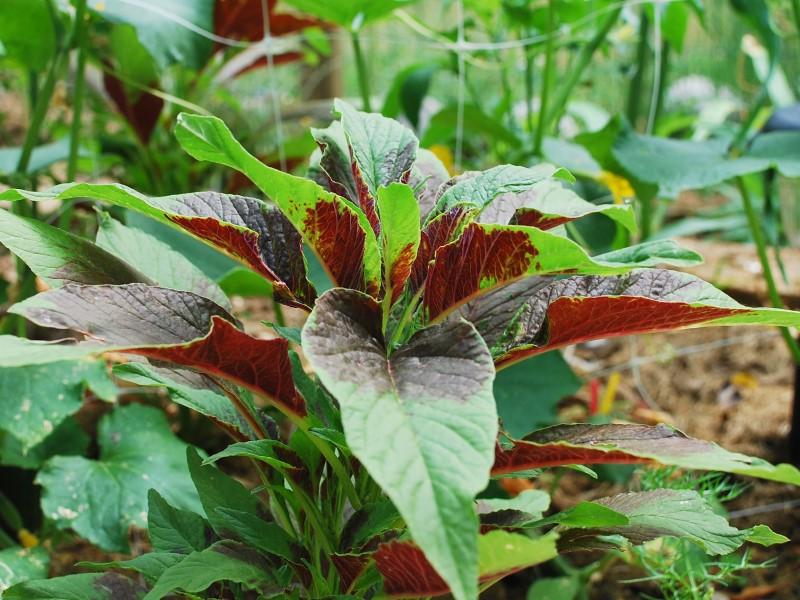
Amaranthus tricolor, commonly known as multi-color or red amaranth, is a showy, low-growing leafy amaranth.
Photo via Adobe Stock.
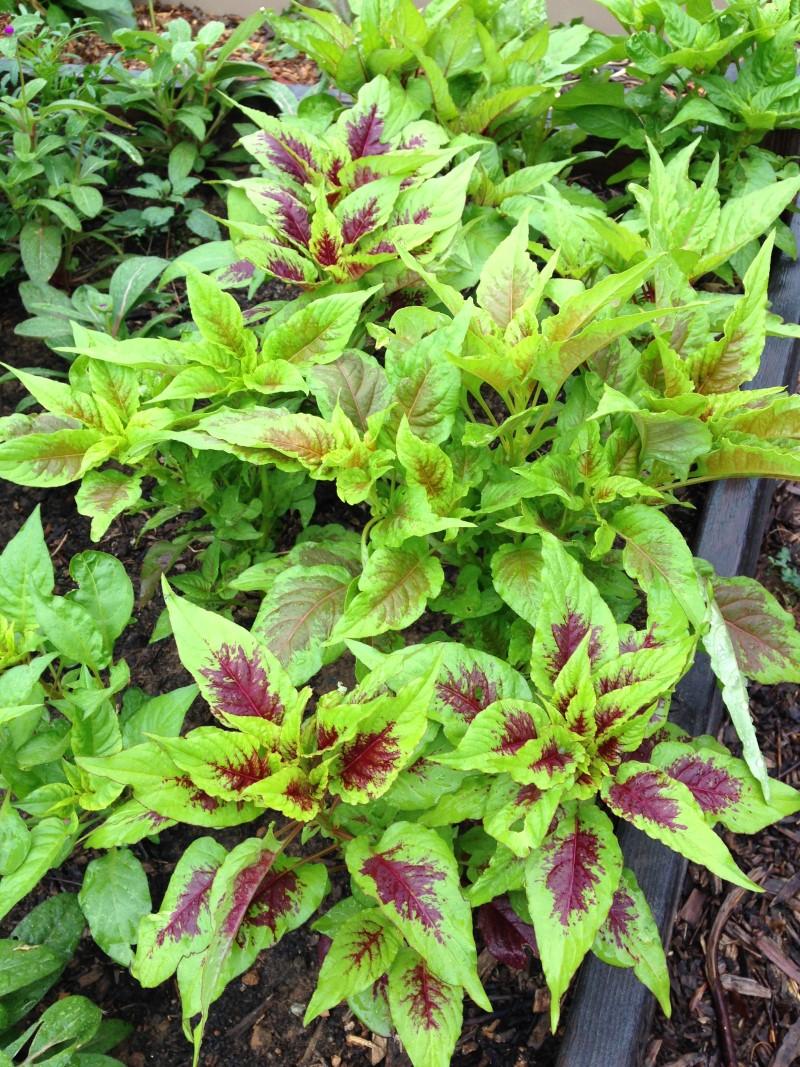
Colorful leafy amaranth plants in a vegetable garden. Photo: Jon Traunfeld
Botanical names: Amaranthus viridis, Amaranthus tricolor, and others Amaranth family (Amaranthaceae)
Leafy amaranth species include callaloo and tri-color amaranth, and are grown extensively throughout the tropics and subtropics. Seeds can be planted directly in the garden or started indoors for transplants. Callaloo can be harvested 25 days after planting transplants outside. For the first harvest, cut stems 5 to 6 inches above soil level. For later harvests, cut the side stems (called laterals) 5 to 6 inches from the main stem.
Callaloo is high in antioxidants and has a higher iron and calcium content than spinach. It is known as “summer spinach” because it is heat-tolerant and can be continuously harvested through the growing season.
Like its pigweed cousins, leafy amaranths produce large quantities of seeds and can become invasive. It’s essential to promptly cut and remove emerging flower spikes so they do not mature and produce seed.
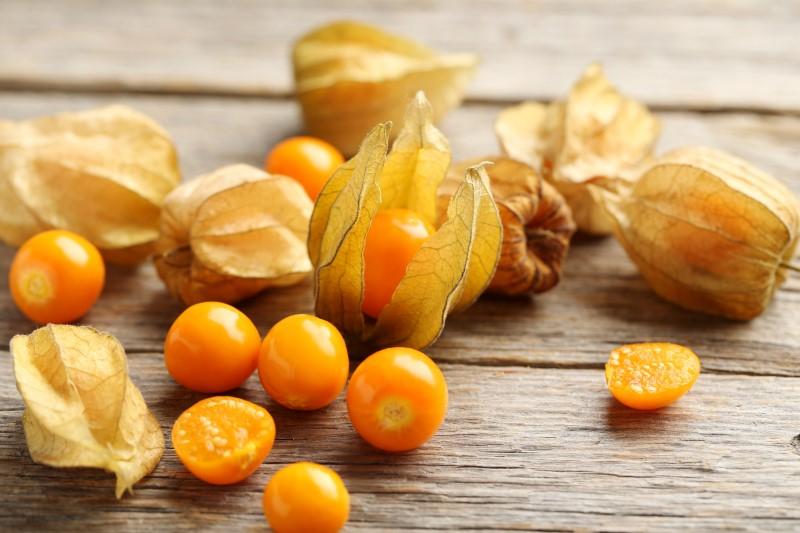
Ground cherry fruits being removed from papery husks. Photo via Adobe Stock.
Botanical name: Physalis species Nightshade family (Solanaceae)
There are numerous species in the Physalis genus. Additional common names include husk tomato, Cape gooseberry, or golden berry. These tomato and tomatillo cousins originated in South, Central, and North America, and are grown in temperate, subtropical, and tropical areas worldwide.
Ground cherries grow 1½ to 3 feet tall, have a sprawling growth habit, and are somewhat heat- and drought-tolerant. The fruits are golden yellow when ripe, ½-inch in diameter, and enclosed in a translucent papery husk of leaves (called a calyx). They have a unique sweet-tart flavor.
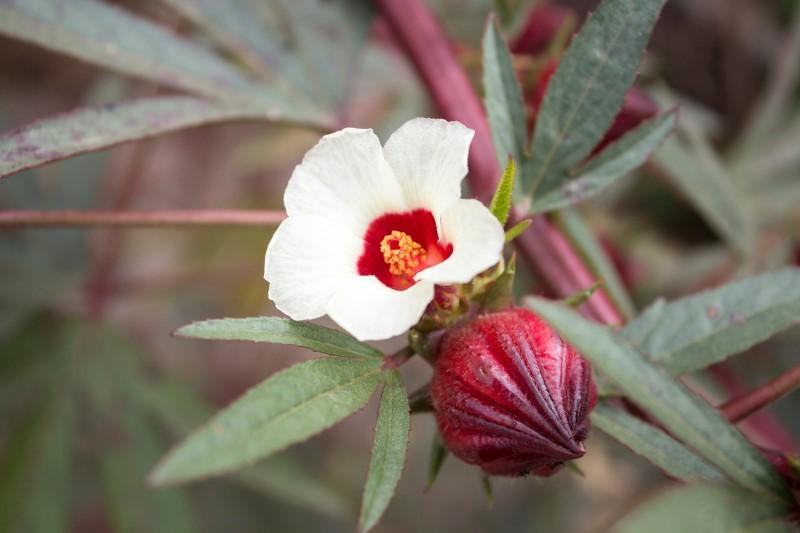
Hibiscus sabdariffa bloom and flower bud. Photo via Adobe Stock.
Botanical name: Hibiscus sabdariffa Mallow family (Malvaceae)
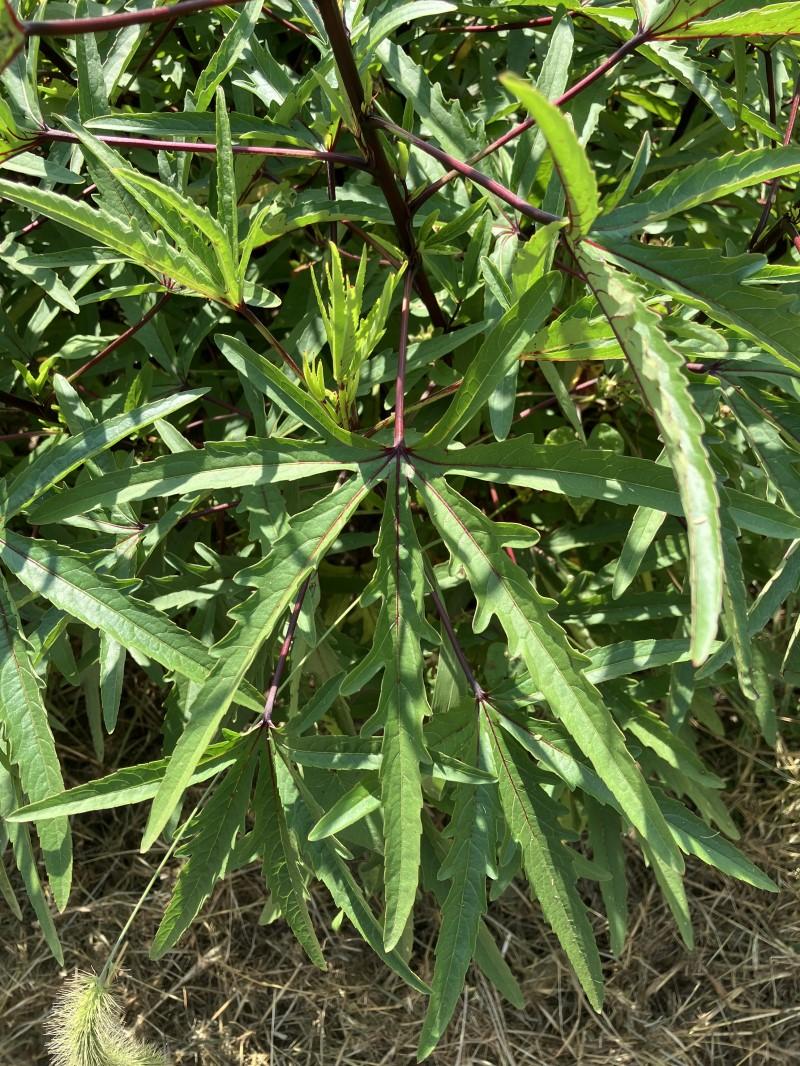
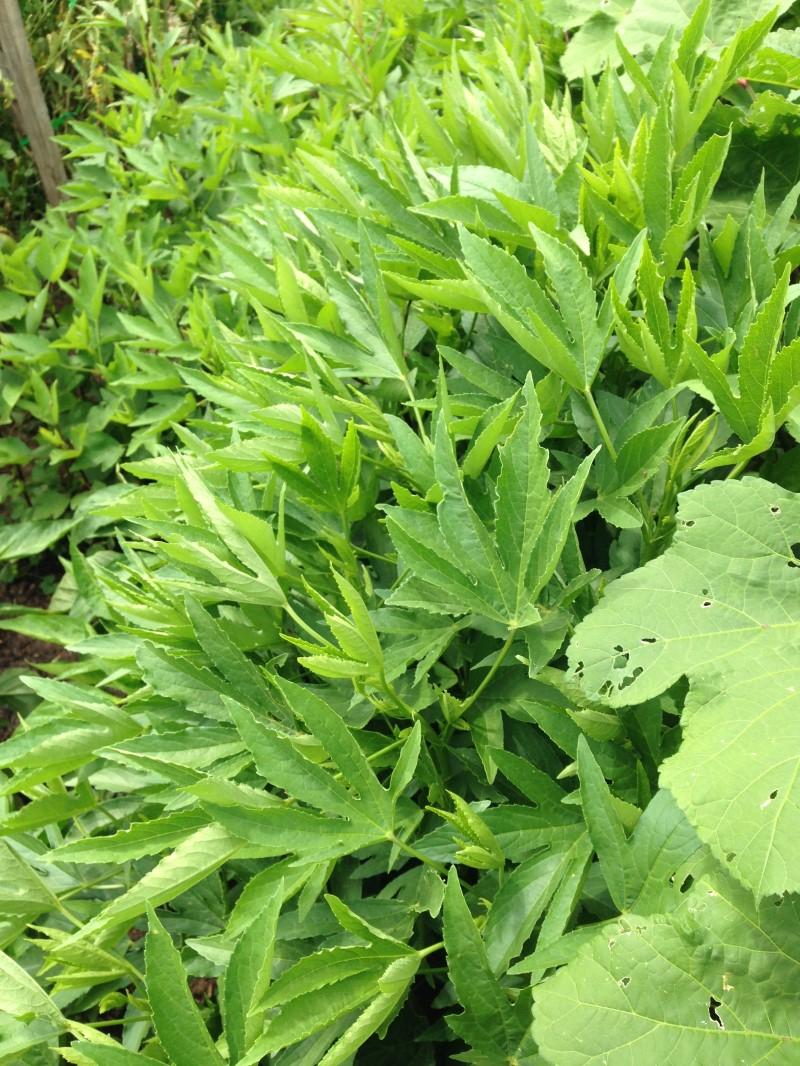
Also known as roselle, Indian sorrel, or Indian spinach, this heat-tolerant, tropical perennial is popular in Maryland among Indian, West African, and Caribbean gardeners. There are red- and green-stem types that typically grow 4 to 6 feet tall.
The lemon-flavored leaves can be continuously cut and used in stew, soup, tea, dal, and stir-fry. The thick red calyxes that surround the flowers are used to make a refreshing cold tea.
Roselle is propagated by direct sowing, transplants, and cuttings. Gardeners often make multiple plantings each season.
Top view of red-stem roselle plants with narrow leaves.
Photo: Jon Traunfeld
Green-stemmed form of Hibiscus sabdariffa plants growing in a community garden. Photo: Jon Traunfeld
Botanical name: Corchorus olitorius Mallow family (Malvaceae)
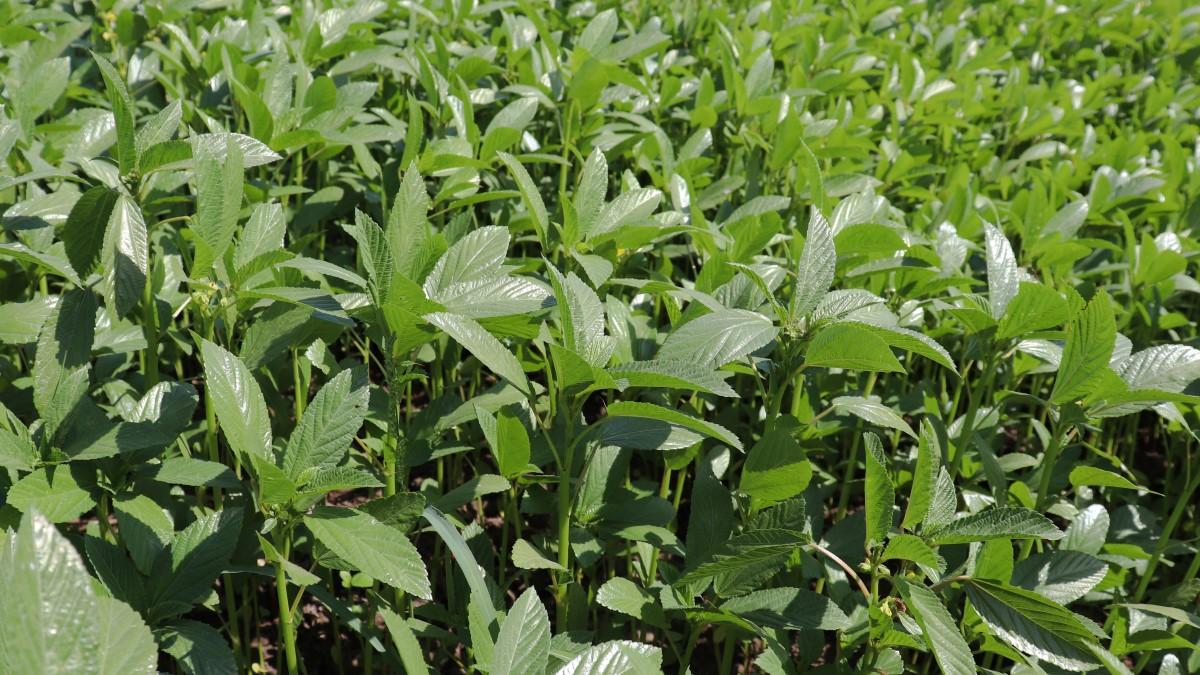
Jute is widely grown across the world’s subtropical and tropical regions, and its additional common names include Egyptian spinach, Jew’s mallow, and molokhia. The plants have an erect/upright and branching growth habit and are grown as annuals. A different, taller jute species, Cochorus capsularis, is grown primarily for fiber.
The leaves are mucilaginous (somewhat slimy-textured) and are eaten fresh, cooked like spinach, or dried. They are rich in vitamins and minerals. The fruits and seeds are also edible.
Jute grows in a wide range of soils, and tolerates high heat and humidity but not excessive moisture. It grows from seed or transplants and is ready to harvest in 30 days. Leaves and stems 8 to 12 inches long can be harvested throughout the growing season.
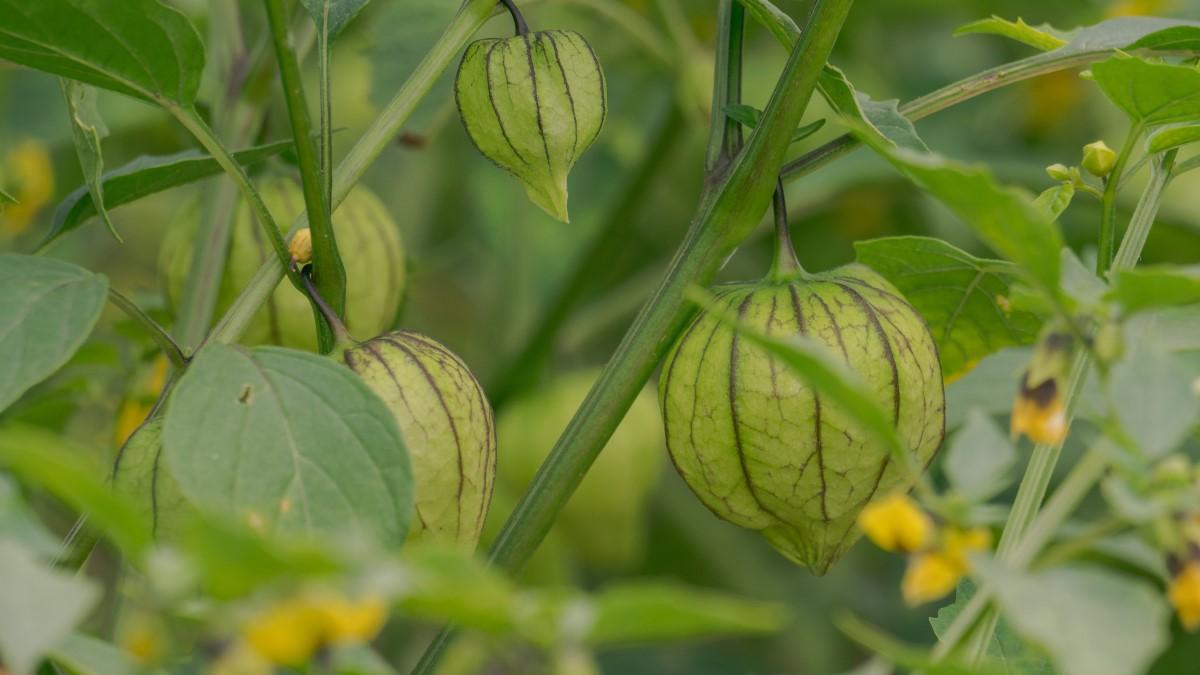
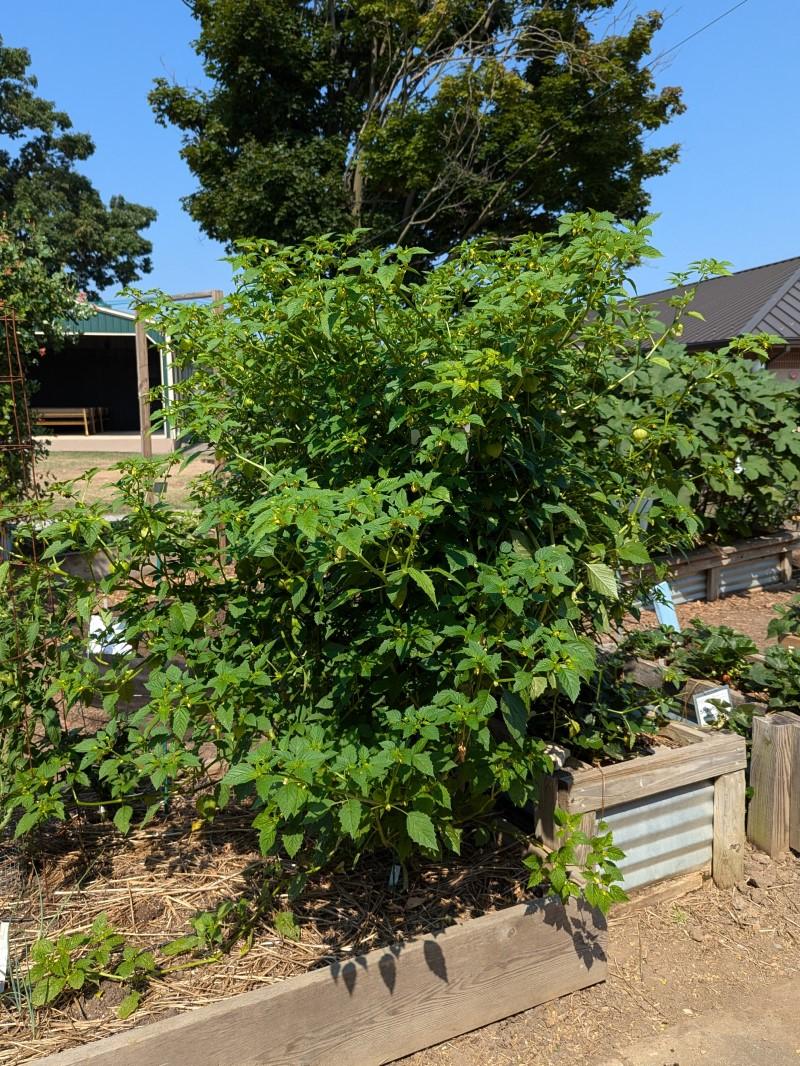
Tomatillo fruits are enclosed in a papery husk. Photo via Adobe Stock.Tomatillo plant growing in a raised bed in a vegetable garden. Photo: Miri Talabac, University of Maryland Extension
Botanical names: Physalis philadelphica and Physalis ixocarpa Nightshade family (Solanaceae)
These tomato relatives originated in Mexico. Also known as “husk tomato,” the fruits are enclosed by the leaves that grow below the flowers (the calyx). Cultivars vary in fruit size and color.
Tomatillos are tall, bushy plants that require 3 feet of space between plants. Provide some support as the plants grow larger, as you would with tomatoes, to prevent the breakage of side branches (laterals) during storms and harvesting.
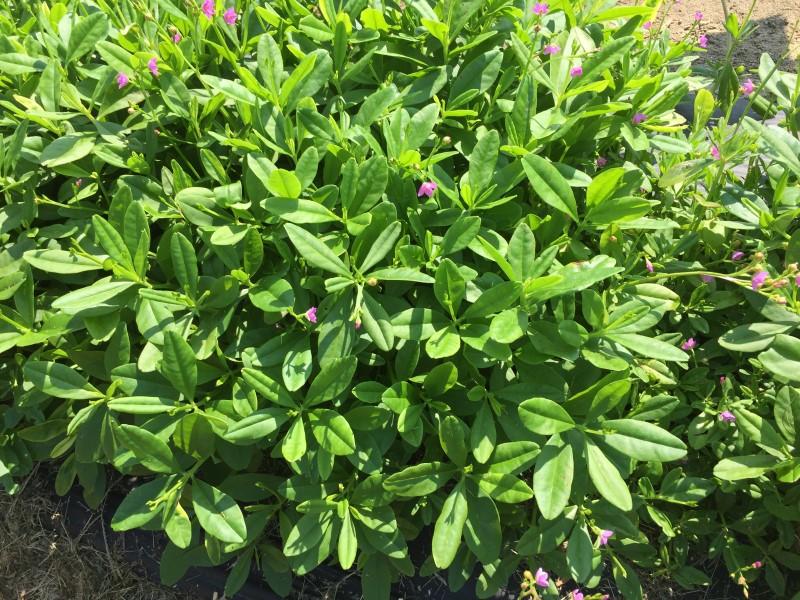
Waterleaf grown by the University of Maryland Eastern Shore’s Small Farm Program. Photo: Jon Traunfeld
Botanical name: Talinum fruticosum (formerly Talinum triangulare) Fameflower family (Talinaceae); formerly in the portulaca family (Portulacaceae)
Also known as Ceylon spinach, waterleaf is grown widely in Africa, Asia, and Central and South America. It has a rapid growth rate and succulent leaves. It grows in partial shade in wet tropical habitats.
Sow seeds indoors 4 weeks before the last spring frost, and transplant outdoors 2 to 3 weeks after the last frost. Alternatively, sow directly on garden soil, barely covering the seeds.
Harvesting begins 30 to 45 days after planting. Waterleaf is a “cut-and-come again” crop, with multiple harvests every 2 weeks when plants are 6 to 12 inches tall. Waterleaf is high in oxalates, so limit the amount eaten raw.