Updated: October 14, 2025
By Drew Schiavone
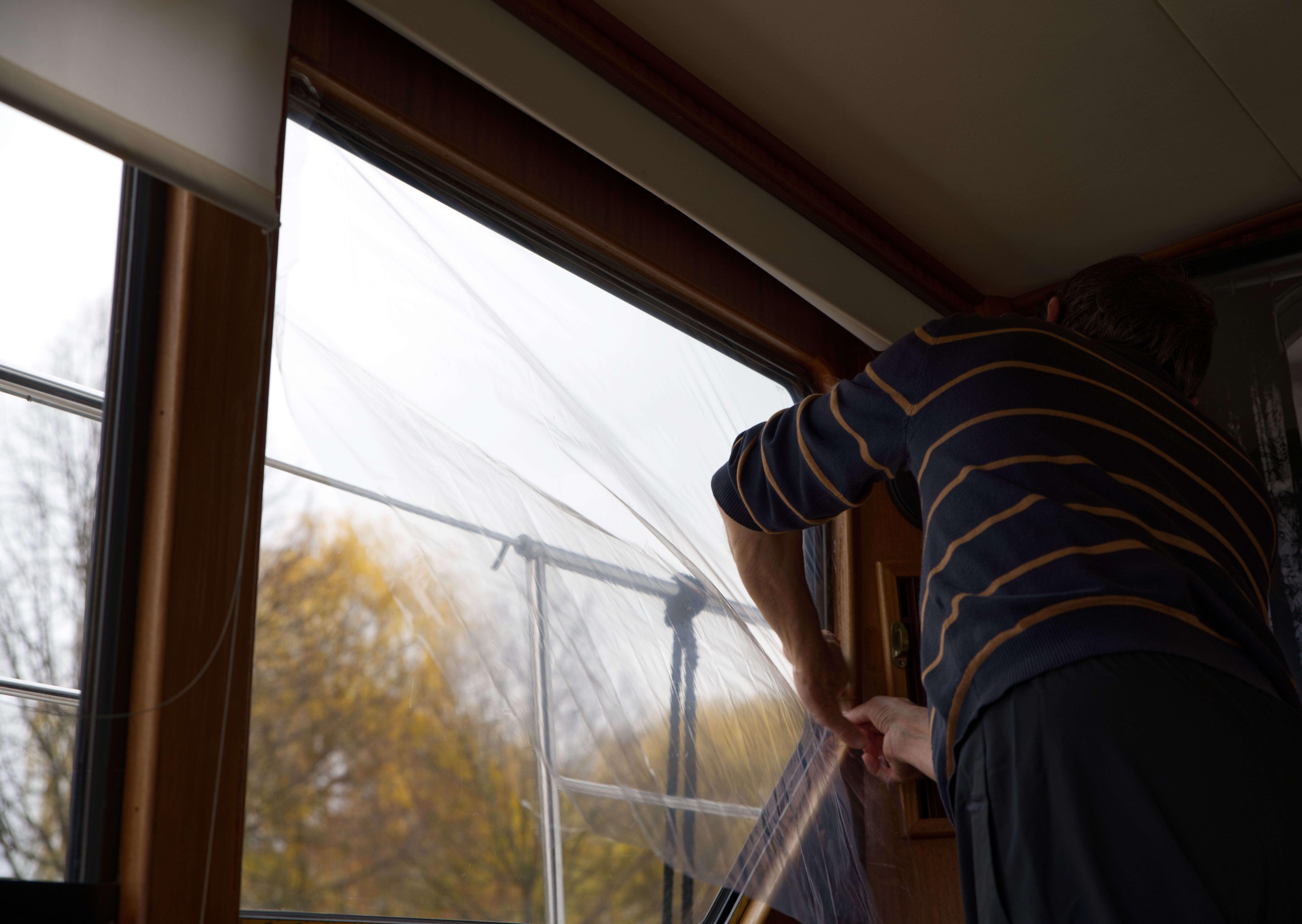
window film application
Photo: Adobe Stock

As Maryland heads into colder months, storm windows remain one of the most cost-effective and energy-efficient upgrades for homeowners; especially those with older, single-pane windows. But today’s storm windows are not the same as the seasonal panels of the past. Thanks to innovations supported by the U.S. Department of Energy (DOE), ENERGY STAR®, and the Partnership for Advanced Window Solutions (PAWS), modern storm windows offer year-round comfort, energy savings, and aesthetic appeal.

Why do storm windows matter?

Even well-sealed windows lose heat through the glass. Storm windows add an extra layer of insulation by trapping air between the existing window and the storm layer. This dead air space (ideally between ¾ to 4 inches) acts as a thermal buffer, reducing heat transfer and minimizing drafts. A well-sealed storm window can also reduce condensation, which helps prevent frost buildup during cold Maryland winters. New models can also reduce noise, and many are permanently mounted and operable, unlike older seasonal versions.

Given Maryland’s humid summers and chilly winters, storm windows offer year-round benefits. They help retain warmth during heating season and can be removed or opened for ventilation in spring and fall. For historic homes or rental units, interior-mounted options provide flexibility without altering exterior aesthetics.

Types of Storm Windows

There are three main categories of storm windows, each with pros and cons depending on your budget, aesthetic preferences, and installation needs:

Plastic Film

  • Cost-effective, affordable, and DIY-friendly, these kits use clear plastic films (vinyl, polyester, or polyethylene) mounted inside or outside the window.
  • Thicker films are easier to handle and more durable.
  • Best for renters or multi-story homes where exterior access is limited.
  • For best results, use a hair dryer to shrink the film for a tight seal.
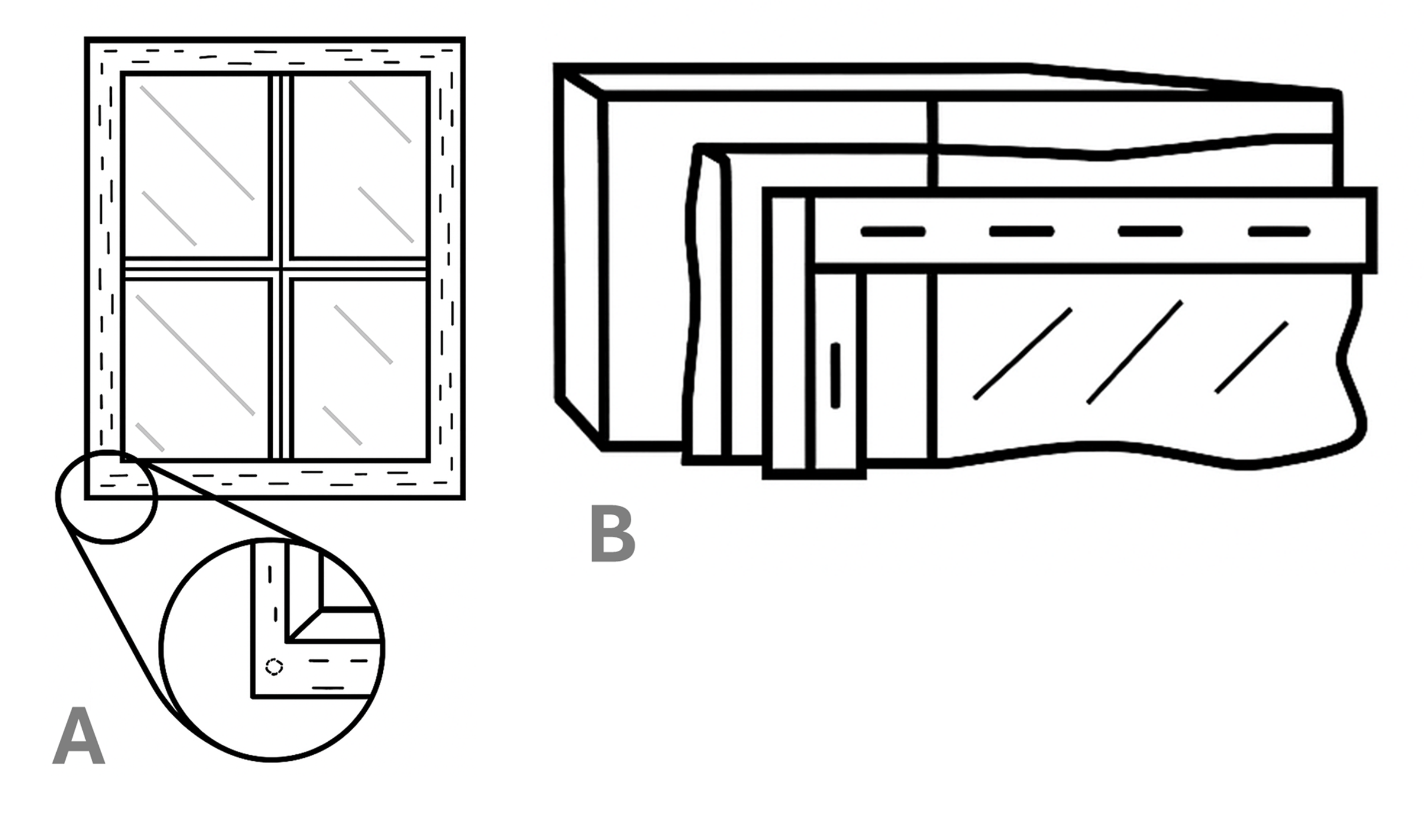
  • Mounting options include tacking, stapling, or using reusable frames or tracks available at hardware stores. Mounting tracks allow reuse of frames each winter.
  • Use low-emissivity (low-E) plastic for better insulation.

    storm window plastic film diagram
    Plastic film rolled over cardboard strips and tacked/stapled to window (A); and wood strips holding plastic to window trim (B).

Rigid Plastic Sheets

  • Made from acrylic (e.g., Plexiglas®), these are more durable and visually similar to glass.
  • Ideal for interior mounting, especially in multi-story homes or apartments.
  • Lightweight, durable, and easy to cut, but prone to scratching.
  • Mounting kits with magnetic or adhesive frames are widely available and improve air sealing.
  • New designs include flexible gaskets for snug, press-fit installation.

Combination Storm Windows

  • These permanent exterior-mounted units feature glass panes and insect screens.
  • Look for ENERGY STAR® certified models with welded corners, weatherstripping, and operability.
  • Typically made with aluminum frames, they allow for natural ventilation.
  • Look for quality features like welded corners, weatherstripping, and warranties.
  • While more expensive, they offer convenience and curb appeal.
  • Low-E coatings reflect heat indoors during winter and block solar gain in summer.

How are storm windows installed?

Best Practices

  • Interior-mounted options are easier to install and maintain, especially in urban or multi-level homes.
  • Ensure the primary window is sealed with caulk and weatherstripping before adding a storm layer.
  • Weatherstrip the storm window itself to maximize energy savings and reduce moisture issues.
  • Use storm windows with weep holes to prevent moisture buildup.
  • Avoid silicone caulk for exterior mounting. Opt for butyl or elastomeric caulk for easier future repairs.
storm window mounting options diagram
Self-adhesive folding frames (A and B); magnetic frame (C); and turn lock fastener (D).

Incentives

  • ENERGY STAR® certified storm windows may qualify for federal tax credits up to $600 under the Inflation Reduction Act. [Learn more at: ENERGY STAR; IRS Form 5695]
  • Maryland’s BeSMART Home Loan Program offers up to $30,000 in low-interest financing for energy-efficient upgrades, including storm windows. [Learn more at: MEA; MD DHCD]
  • Weatherization Assistance Programs may provide free or low-cost storm window upgrades for income-qualified households. [Learn more at: Maryland OPC]
  • Sustainable home graphic with green electrical plug

    Understand Home Energy

    Understand Home Energy

    Explore the whole-house (or systems) approach to energy efficiency.

  • Solar energy PV cells and panel held with mounting bracket

    Simplifying Solar

    Simplifying Solar

    Basic understanding of residential solar installation.

  • Blown-in insulation in attic

    Home Insulation

    Home Insulation

    Explore insulation options and strategies for your home.

  • window film application

    -- Storm Windows --

    Explore storm window options for your home.