Why Be Bay Wise?
Because certain methods of yard care can benefit the Chesapeake, its tributaries, and your community.
Most Marylanders live within a half-mile of a storm drain, stream, or river that eventually drains into the Chesapeake Bay.
What we do to maintain our own landscapes can affect the health of our local waterways, the Chesapeake Bay and our environment. By adopting a few simple landscape practices, you and your family can help keep Anne Arundel County’s land, waterways and 533 miles of shoreline healthy for generations to come.
To help achieve these goals, the University of Maryland Extension (UME) Bay-Wise Program provides homeowners education and encouragement. UME-trained Master Gardeners can visit Anne Arundel residents in your yards—free of charge—to discuss how you can have a bay-friendly landscape.
Residents who would like to become Bay-Wise Certified can use the Bay-Wise Living Landscapes Manual to see how they measure up. Master Gardener volunteers have certified more than 760 Anne Arundel landscapes since 2000, and nearly 2,500 statewide since 1997. We would like to certify hundreds more!
Bay Wise Living Landscapes Manual
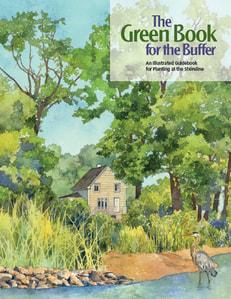
What is Bay Wise?
A smarter way of gardening and lawn care for a cleaner, healthier Chesapeake Bay
and watershed – including your own backyard.
Do you want to save money, reduce garden maintenance, AND protect the Chesapeake Bay? Master Gardeners trained by the University of Maryland are available to help you evaluate your gardening practices to do just that.
Learn about being a more responsible landowner by adopting non-polluting methods of lawn care, pest and disease control, composting and stormwater control—approaches that support wildlife and protect our local waterways.
In Your Yard
You can make a Bay-Wise difference, starting right in your yard.
There are many gardening and lawn practices homeowners can begin to adopt to support the health of the Chesapeake Bay and overall environment. Many may be less time consuming and less costly than how you currently care for your landscape. Some practices may help transform your backyard into an inviting oasis for birds, pollinators, and other wildlife. Whether you take baby steps or decide to tackle a big chunk of your landscape, every good practice can make a difference toward sustainability.
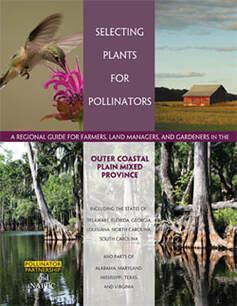
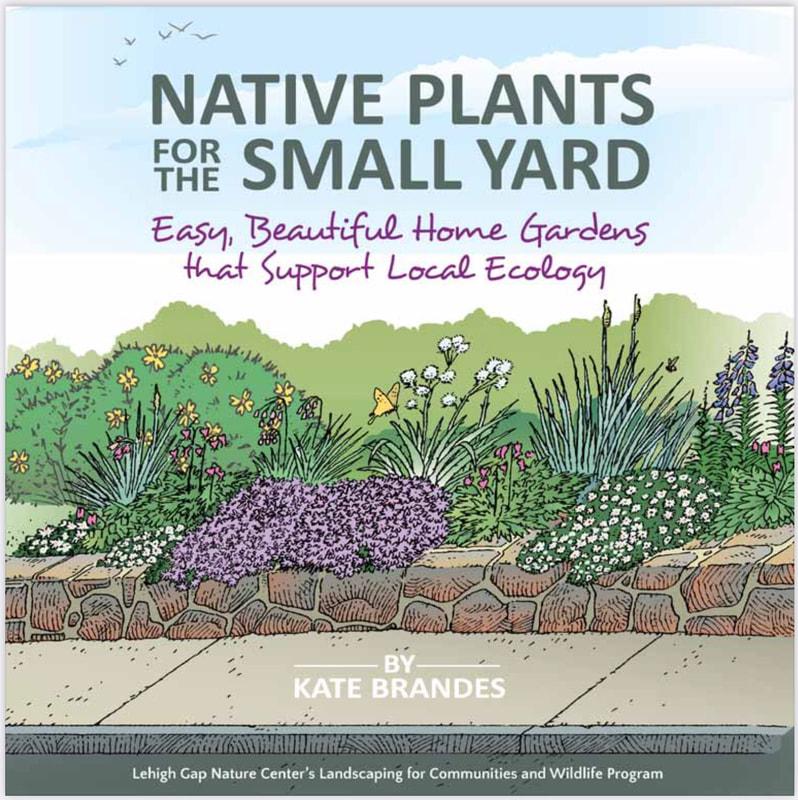
Native Plants
Native plants are indigenous to our coastal plain region and have thrived without human intervention for hundreds of years or more.
They have adapted to our climate, require less water, are disease and pest resistant, need little or no fertilizer and support our native wildlife including hundreds of species of birds and beneficial insects. All these qualities make native plants an indispensable asset to your garden.
Native plants help create landscapes that possess the charm and character of our local natural history, while contributing to the conservation of our nation’s species.
Where can you buy native plants?
Click here for a list of certified growers and retailers
Beneficial Insects
Recognize and understand that some insect damage is okay, and that the vast majority of insects are beneficial.
Improper use of pesticides can harm humans, pets, beneficial organisms, and the environment. Pesticides should be used only for treatment of serious insect, weed, and disease problems. When confronted with a pest, consider all possible alternatives, and use a pesticide only as a last resort.
Insects: Our Most Under-Appreciated Neighbors
Gardens are where we go to meet nature.
Bay-Wise gardeners realize that everything is connected. We know the way we manage our yards impacts on our communities, our waterways, and our glorious Chesapeake Bay.
Whether a resident is gardening on a balcony, in a courtyard, on acres of land, or on the waterfront, the smart choices they make today can make a difference for a healthier bay.
Gardens to support bees, butterflies, and beneficial insects
1.Recycle organic yard and kitchen waste on-site.
2.Capture and use precipitation where it falls.
3.Plant and conserve a wide variety of native plants.
4.Protect pollinators and beneficial insects.
5.Reduce hazards to fish & wildlife.
6.Shrink your lawn footprint.
7.Protect our waterways and shorelines.
8.Educate friends, family, and neighbors about MD Living Landscapes practices.
Ready for Certification?