
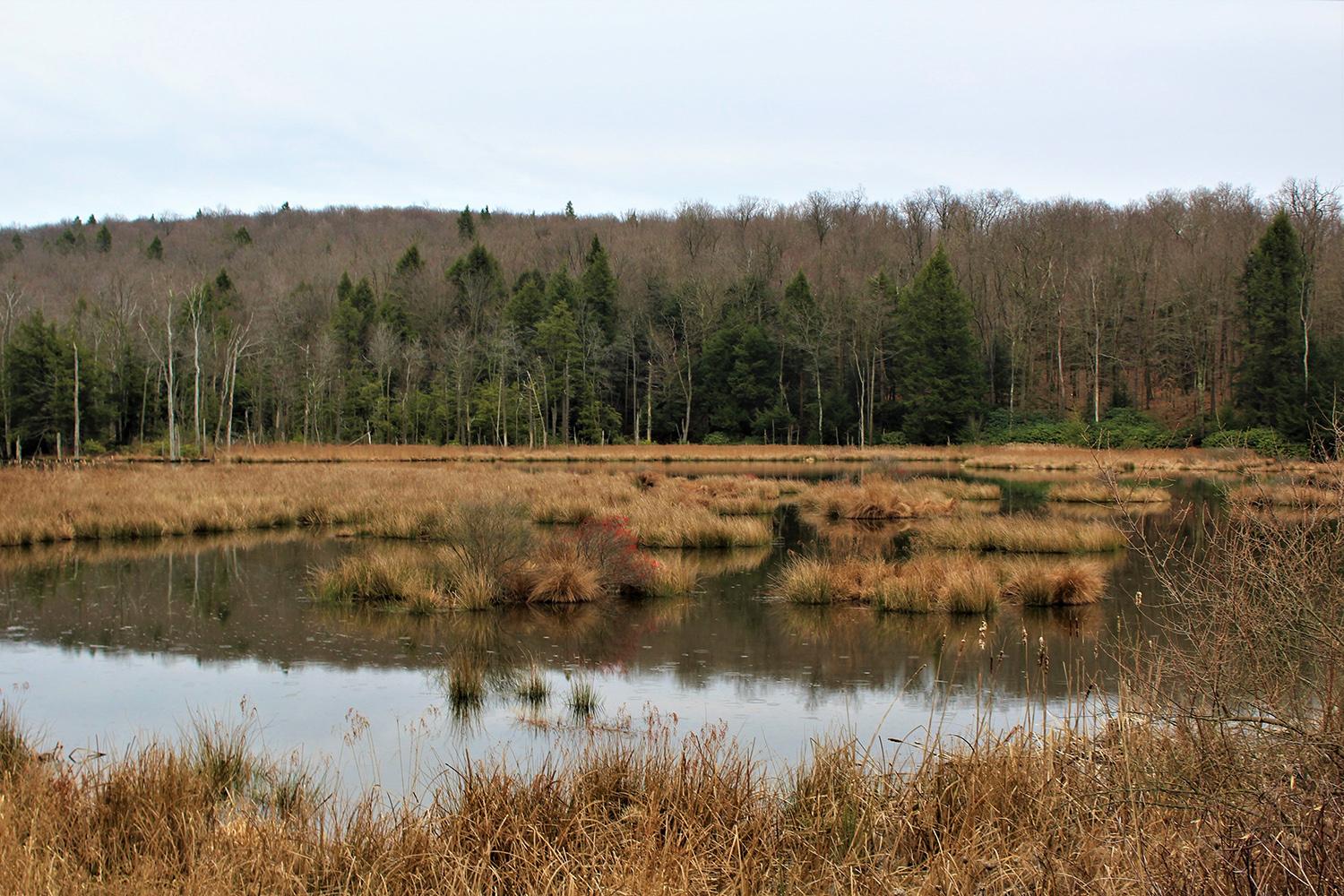
As the famous pallet of fall colors begin to fade, Maryland's forests undergo an important transformation into the winter season. This transition period unveils a subtle beauty, demonstrating the resilience and cyclical nature of the environment. The Maryland Department of Natural Resources has issued its recap of the season across the state; read it here.
As the report’s photos demonstrate, Maryland's forests can present a kaleidoscope of colors, with vivid reds, oranges, and yellows painting the trees. As fall progressed, an abnormally dry weather pattern, particularly noted in 2025, has expedited this color transition, bringing early changes especially in regions like Washington County. As November advanced, these colors gave way to more muted shades. American persimmons, adorned with their seasonal fruits, stand out against the browning leaves and add a touch of color to the landscape. However, as the leaves fall, they reveal a less conspicuous yet equally beautiful landscape. Visitors can experience deciduous trees in a different way, as they now have an unobstructed view of the intricate branch patterns set against crisp blue or leaden grey skies.
The coming of winter brings a different kind of enchantment to these woodlands. The forests may appear bare, yet they are full of life preparing to spring forth once the warmth returns. As temperatures drop, the forests' ecosystem subtly shifts, preparing for the harsher conditions. Beneath the surface, roots continue to grow, while the forest floor, now visible due to the lack of foliage, becomes a showcase for cold-weather fungi like the honey mushroom and offers evidence of the wildlife still active beneath the canopy. And when snow falls, woodlands take on a new ambiance. The quiet of a deep woods after a snowstorm is something everyone should experience.
Winter is a time for the forests to rest and rejuvenate. But aboveground, challenges remain for their survival. That’s because these quieter months are crucial for the health of the state’s woodlands, regardless of location or ownership. With the onset of shorter and warmer winters, invasive plants and insects survive longer and reemerge earlier in the spring. The plants can cover a forest floor before native spring ephemerals have a chance to grow, and can stifle the growth of native seedling trees, upon which so much of the environment depends.
So, while the transition from fall to winter means a transition from a colorful to a more muted landscape, take notice of the green that remains, especially on the forest floor. Chances are that you are seeing an invasive plant. Learn how to identify them, and consider joining the efforts to remove them in your local community, county, or state public preserve as well as in your own woods. It helps the state’s woodlands have a better winter and a more prosperous new year.