
Managing strawberry Neopestalotiopsis: Avoiding unhealthy plug plants is key
By Mengjun Hu and Samantha Ann Hasselhoff, Department of Plant Science and Landscape Architecture, University of Maryland, College Park, MD 20742
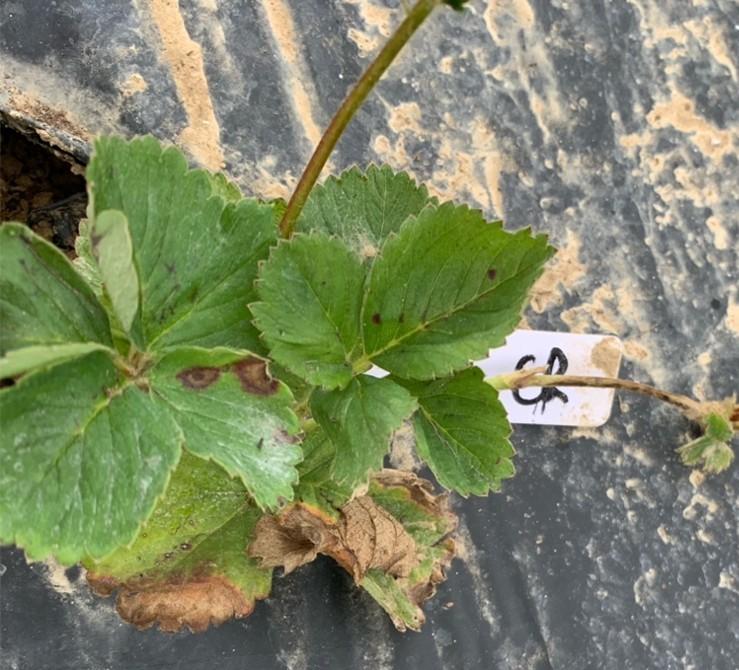
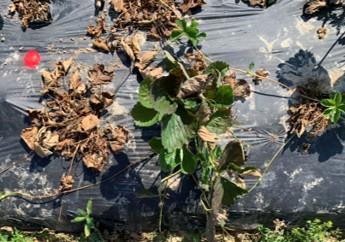
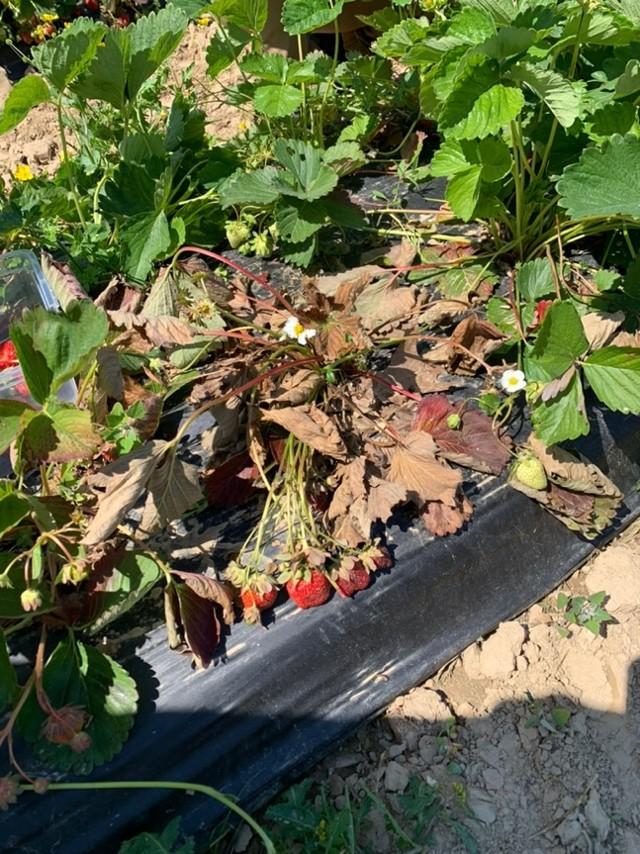
In recent years, Neopestalotiopsis (Aka: NeoP) has become one of the most serious fungal diseases impacting strawberry production at all levels across the United States. In fact, the same or similar disease was first reported in 1972, with the fruit rot observed in some research plots and commercial fields in Florida. Since then, NeoP has been regarded as a minor concern, until 2019-2020 when a severe outbreak was reported in about 18 commercial farms in Florida. As a result of this outbreak, an estimated 200 acres of strawberry fields were destroyed. Similar but scattered outbreaks have also occurred in the Southeast. Interestingly but not surprisingly, the common link between those outbreaks was the nursery source of the plants. The NeoP pathogen can infect all parts of the plant, with symptoms including fruit rot, leaf spots and necrosis, and crown and root rot. It is also noteworthy that different NeoP species and populations exist with varying aggressiveness and can be isolated as endophytes or occur as saprobes on plants, which can complicate disease diagnosis.
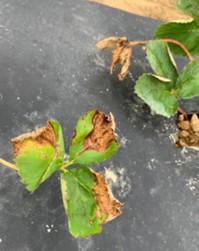
In the Mid-Atlantic region, the disease was first diagnosed at four farms in the central and southern parts of New Jersey, two in south-central PA, and one in Maryland during the 2020-2021 season. In the New Jersey fields, plant dieback reached up to 50% during the fall. Despite the farm in Maryland having widespread NeoP leaf spot symptoms during the fall, there was little sign of the disease in the following spring. During the 2024 to 2025 season, a major pass-through of NeoP from tips to plug producers marked the first direct link to Prince Edward Island, a major nursery providing tips to the Southeast and Mid-Atlantic regions. As a result, many orders that year were cancelled or notified that no reimbursements would be offered to customers who still decided to purchase plants. Growers who took the risk to grow diseased or unhealthy plants experienced significant yield losses, due mostly to plant death or stunting that occurred after planting. Similarly to 2020-2021, NeoP-caused fruit rot was rarely found or reported in those fields, warranting a better understanding of the pathogen epidemiology outside Florida.
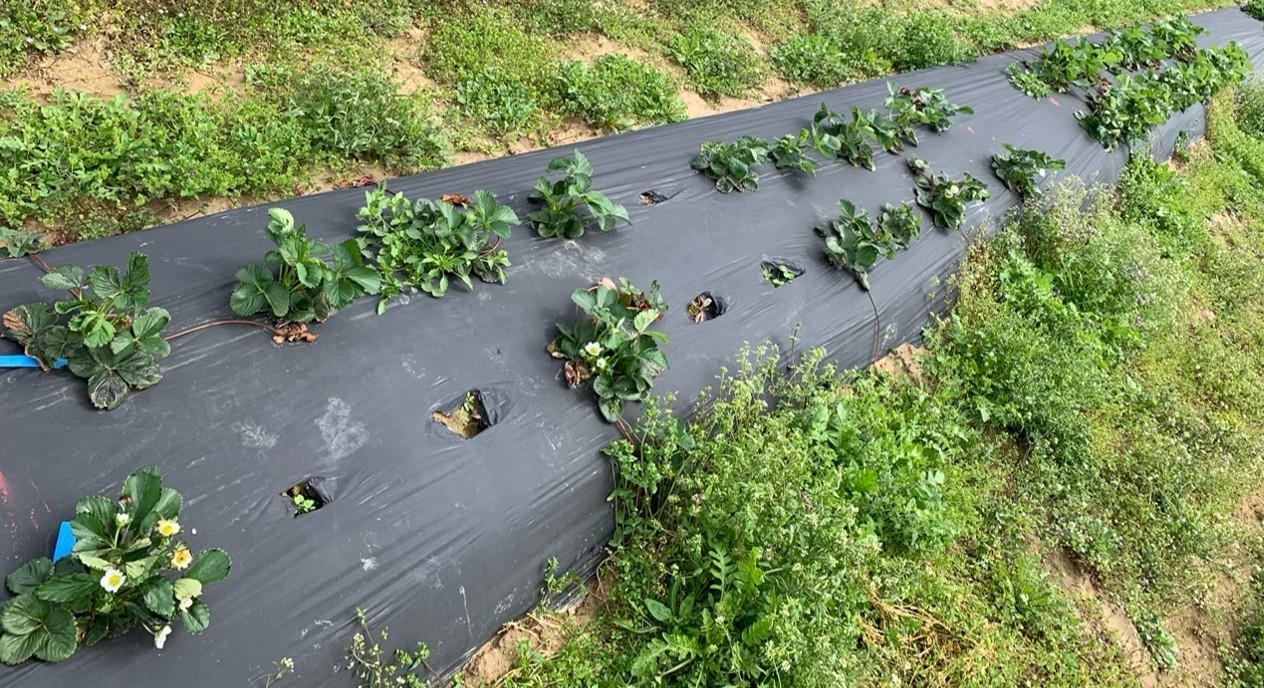
A two-year trial has been conducted at the Wye Research and Education Center, with the main objective of monitoring disease progression among different cultivars commonly grown in the region. Based on our observations, cultivars are deemed to have varying levels of susceptibility to NeoP, with Ruby June and Camino Real showing the highest susceptibility among cultivars tested in our trial. Chandler had moderate susceptibility, while Keepsake and Malwina were the most tolerant cultivars. Our findings are largely consistent with previous research findings, supporting a higher tolerance to NeoP in many eastern developed cultivars. In contrast, Florida and California cultivars tend to be more susceptible to NeoP. The only outlier in our trial was Galletta, which displayed the highest mortality in year 1. However, the plug plants used in that year arrived unhealthy and loaded with NeoP prior to planting. In year 2, Galletta was tested again with healthy-looking plugs, and showed a good tolerance to NeoP, similar to Keepsake. Additionally, we tested the efficacy of fungicide sprays applied following planting, with a total of 5 sprays made in the fall for both years. Overall, fungicide sprays had limited efficacy, with pre-infection sprays managing symptoms better than post-infection sprays. Consistently across both years, little fruit rot caused by NeoP occurred despite NeoP-related leaf spot and plant decline being frequently observed.
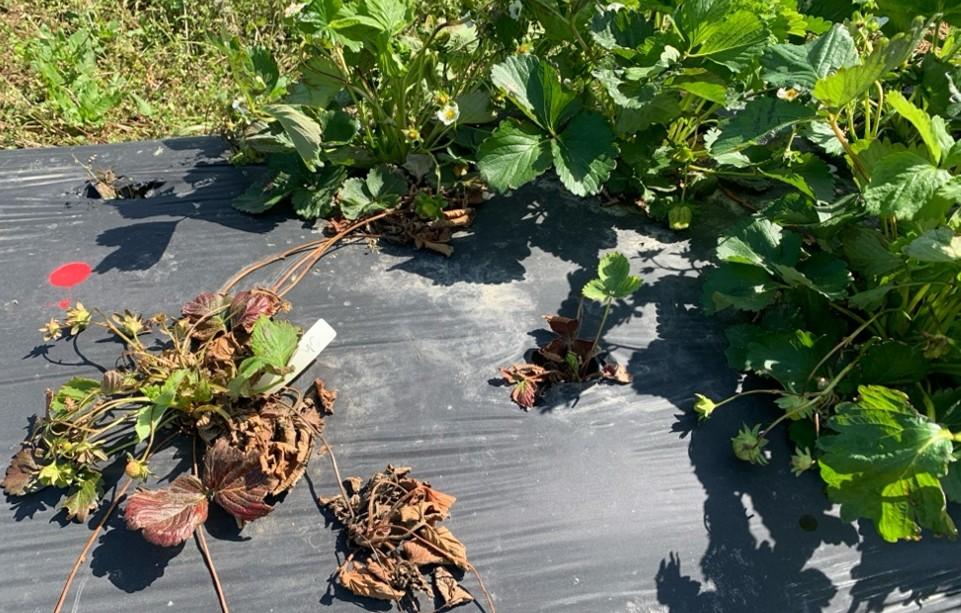
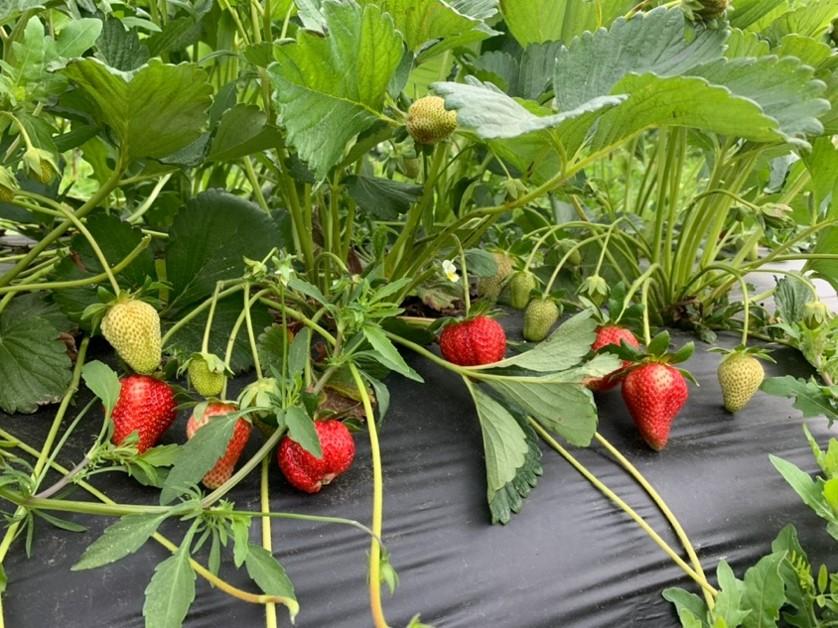
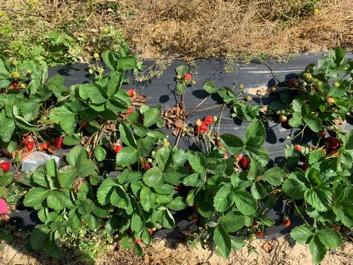
In conclusion, NeoP seems to be highly selective about environmental conditions, thriving only under extended wet and warm conditions. In a nursery setting, frequent misting is required to keep leaves wet while developing new roots on young plug plants. The ideal environmental conditions, coupled with young and tender tissues, set an ideal stage for the pathogen to proliferate and infect. Once infected plugs arrive at growers’ fields, infections could have already become evident for some plants by showing symptoms, while symptoms may show up on others shortly after planting. Latently infected plants may be slow to establish, stunted, or die in the field, ultimately leading to reduced yield. However, it seems the mid-Atlantic climate is generally not quite favorable for NeoP, lacking a combination of prolonged rainfall and consistently high temperatures. The plant stunting and death that commonly occurred in the field may have been largely due to the lingering effect of the initial nursery infection. Plants with NeoP are also expected to be more vulnerable to other common pathogens, further contributing to crop failure. Our observations and field trials indicate no fresh rounds of infections, spreading, or establishment in the fields occurring after winter dormancy, possibly explaining the lack of NeoP fruit rot during fruit ripening. Moving forward, management efforts may need to be concentrated at nurseries through a combination of increasing resistant cultivar production and modifying practices. For fruit growers, planting healthy and clean plugs is key to managing NeoP. Even at locations where NeoP was previously diagnosed, using healthy plugs has shown a big difference. Avoiding highly susceptible cultivars is also wise, as other tools do not appear to be truly effective in controlling the disease at this point.
This article appears in May 2026, Volume 17, Issue 4 of the Vegetable and Fruit News
Vegetable & Fruit News is a research-based publication for the commercial vegetable and fruit industry available electronically from April through October. Published by the University of Maryland Extension Agriculture and Food Systems team.
Subscribe