
Dr. Steven Thompson - Keynote

New frontiers in precision agriculture, technology-based programming, and progress in technology adoption
This presentation will focus on new programming at USDA-NIFA for precision crop and animal management, data science, AI, cyber-physical systems, and robotics. The latest statistics on adoption of precision technologies will be presented and discussed from a National Program Leader’s point-of view, along with where our focus has evolved as a granting agency.
Bio: Dr. Steven J. Thomson is a National Program Leader with the USDA National Institute of Food and Agriculture (NIFA) and a Fellow of the American Society of Agricultural and Biological Engineers (ASABE). He began his career as a Research Engineer at the University of Georgia before earning his Ph.D. in Engineering from the University of Florida.
Dr. Thomson’s expertise includes sensing and electronic systems, precision crop and water management, machine learning and AI, remote sensing and image analysis, applied statistics, and spray drift management. During his tenure on the faculty of the Biological Systems Engineering Department at Virginia Tech, he received both the Alpha Epsilon and Outstanding Faculty awards.
Before joining USDA-NIFA in 2016, Dr. Thomson served as a Lead Scientist with the USDA Agricultural Research Service (ARS). He has authored or co-authored more than 100 journal articles, two book chapters, and several Extension publications and software tools.
Dr. Rodrick Rejesus
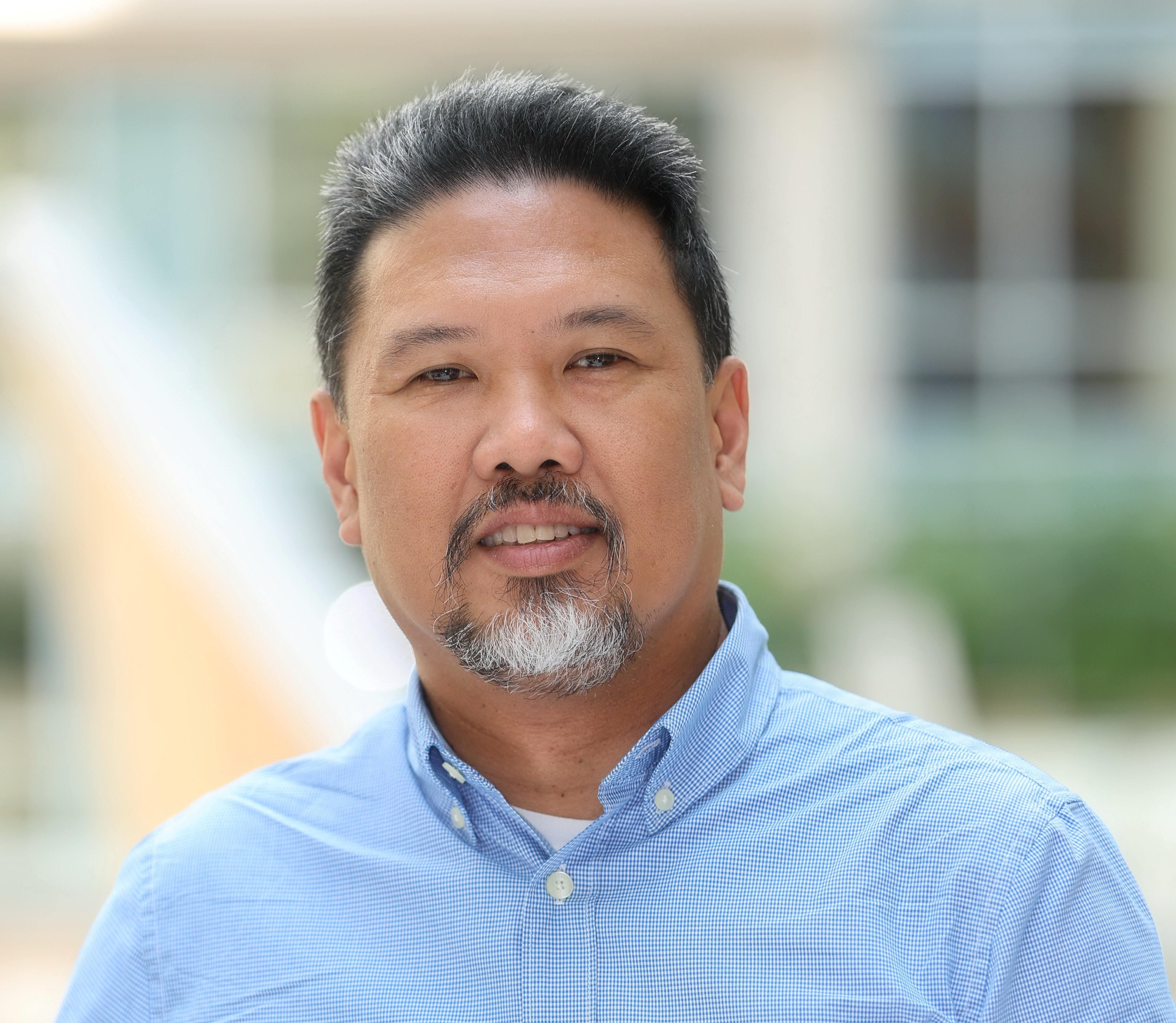
Economic Considerations for High-Capital-Outlay Precision AgTech Equipment
As precision agriculture technologies advance, growers face critical financial decisions regarding significant upfront investments in high-capital-outlay equipment such as autonomous drones and smart application systems. This presentation will discuss key economic considerations when evaluating whether or not to invest in high-capital-outlay precision AgTech equipment. For example, the capital budgeting approach will be used to assess the economic feasibility of technology investments and translate year-to-year potential profitability impacts in to a longer-term economic value estimate. The goal is to provide actionable information that will allow growers to move beyond industry hype and make their own data-driven decisions in the context of their own operations.
Bio: Dr. Roderick “Rod” M. Rejesus is William Neal Reynolds Distinguished Professor, Extension Specialist and Department Extension Leader (DEL) in the Department of Agricultural and Resource Economics at North Carolina State University. He received his Ph.D. in Agricultural Economics from the University of Illinois at Urbana-Champaign. Dr. Rejesus has an active research and extension program that focuses on applied production economics, with special emphasis on agricultural policies related to risk management (e.g., crop insurance and other safety-net policies for farmers) and economic impact assessment of agricultural technologies.
Dr. Steven Mirsky
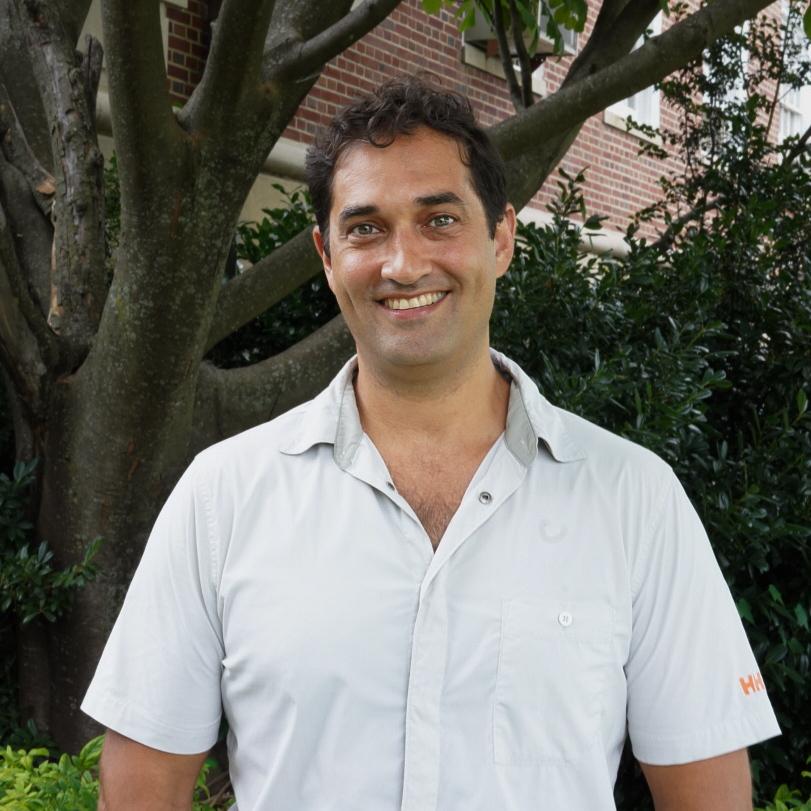
Precision Nitrogen Management with Cover Crops
Cover crops provide numerous benefits, including weed suppression, reduced soil erosion and nitrogen leaching, improved soil health, enhanced habitat for beneficial organisms, and greater system resilience. However, these benefits depend on cover crop biomass and management, which vary considerably within fields due to differences in drainage and fertility. Farmers lack scalable tools to map this variability and implement precision management strategies. Our team has developed a low-cost, real-time camera system using computer vision and machine learning to map cover crop and weed species and biomass. The system is scale-neutral, operating handheld, on small tractors, or mounted to large spray booms. Mapping outputs integrate with web-based decision support tools, such as CC-NCALC, to guide variable-rate fertilizer and pesticide applications and optimize cover crop management.
Dr. Hemendra Kumar
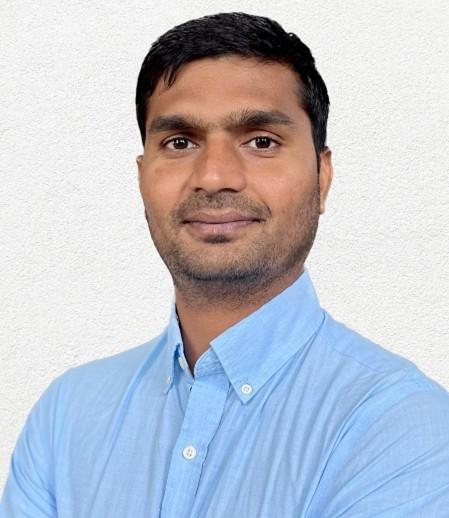
Drone Applications for Prescription Mapping and Nitrogen Management
Unmanned aerial systems equipped with multispectral sensors provide opportunities to improve nitrogen management through high resolution crop monitoring and spatial assessment of crop variability. Drone based imagery can be integrated with crop health assessments and machine learning models to identify differences in crop nitrogen status and delineate management zones. These data can be used to develop prescription maps for variable rate nitrogen application, enabling site specific nutrient management based on crop needs. This presentation will highlight the practical application of drone technology for nitrogen management through collaboration among researchers, industry partners, and growers. The speakers will discuss field experiences, technology implementation, and the challenges of integrating drone based assessments with precision application equipment. The discussion will emphasize opportunities to improve nitrogen use efficiency, reduce fertilizer inputs and nutrient losses, and enhance crop productivity and profitability while supporting sustainable agricultural production systems.
Bio: Dr. Hemendra Kumar is Director of the Digital and Precision Agriculture Lab (D-PAL) and a Precision Agriculture Specialist at the University of Maryland. His research advances AI driven agricultural intelligence for sustainable agricultural and environmental systems by integrating artificial intelligence, machine learning, remote sensing, GeoAI, geospatial data, crop modeling, and agricultural systems knowledge. He works closely with growers, agricultural industries, universities, commodity organizations, and state and federal agencies to translate emerging AI and digital technologies into practical agricultural solutions.
Dr. Kumar earned a Ph.D. in Biosystems Engineering, with a minor in Statistics, from Auburn University and holds a master’s degree in Civil Engineering from Auburn University. His scholarly contributions include 20 peer reviewed publications, five book chapters, an edited book, and 12 Extension publications. He serves as an Associate Editor for Agronomy Journal, Precision Agriculture, and Smart Agricultural Technology.