

Dr. John Fulton, a professor in the Food, Agriculture and Biological Engineering department at the Ohio State University, is an experienced researcher whose work focuses on equipping farmers with modern practices and tools to manage nutrients and pesticides effectively, while promoting on-farm environmental stewardship. The former president of the International Society of Precision Agriculture also helps ag dealers and consultants integrate precision technologies in their business. Most recently, he has been exploring the integration of AI in agriculture to enhance productivity and streamline the food supply chain.
Speaking Topic:
Scouting and Field Assessment: Applied Analysis for On-Farm Decision Making
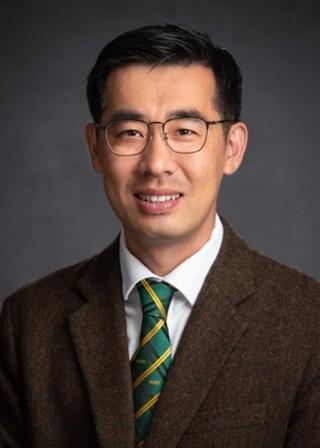
Dr. Xin (Rex) Sun serves as the inaugural endowed chair and Director of the Peltier Institute for the Advancement of Agricultural Technology at North Dakota State University. He integrates robotics, sensing and digital technologies to advance crop, livestock and food production systems. He has authored more than 150 peer-reviewed publications, book chapters and conference papers, and has been supported by over $20 million in various funding from federal agencies, state programs and industry partners. At the Peltier Institute, Dr. Sun leads initiatives that drive agricultural innovation, build strategic partnerships and prepare the next generation of professionals to strengthen sustainable and resilient farming systems.
Speaking Topic:
AI, Remote Sensing, and Robotics for Site-Specific Weed Control Application

Dr. Stephanie Lansing is a Professor in the Department of Environmental Science & Technology, with an Extension appointment in Agriculture and Food Systems. She serves as the co-Chair of the Maryland Food System Resiliency Council. She leads the Bioenergy and Biotechnology Laboratory, managing > $20 million in federally funded grants researching food system resiliency, anaerobic digestion, nutrient management, and strengthening the circular bioeconomy. She has 20 years of experience in on-farm bioenergy research, extension education, and improving the sustainability of food and waste systems.
Speaking Topic:
Innovations in Livestock and Poultry Waste Technologies
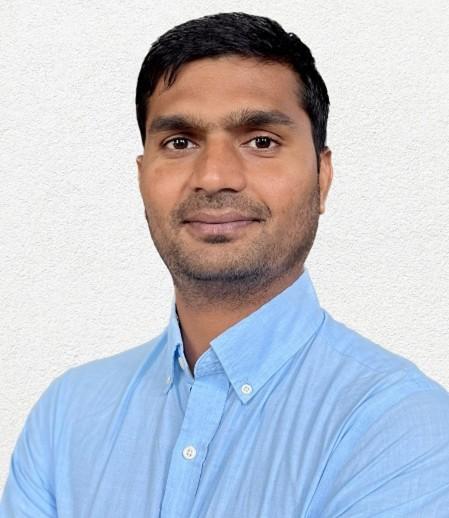
Dr. Hemendra Kumar is a Principal Investigator and Precision Agriculture Specialist at the Precision Agriculture Lab at the University of Maryland Extension in the College of Agriculture & Natural Resources. He holds a Ph.D. in Agricultural Engineering with a specialization in precision irrigation management, remote sensing, and artificial intelligence for sustainable crop production. Dr. Kumar leads the initiatives focusing on data-driven agricultural management, including drone-based sensing, irrigation and drainage water management, automation technologies, and the development of AI and machine-learning models for detecting crop stress related to water and nutrients. His research and Extension programs support farmers, industry partners, and government agencies across the Mid-Atlantic region in implementing advanced technologies to enhance productivity, profitability, and environmental sustainability.
Speaking Topic:
Smart Ag-Tech for Water Management Mid-Atlantic

Dr. Christine Chang is a Research Plant Physiologist working with the Adaptive Cropping Systems Laboratory of the U.S. Department of Agriculture, Agricultural Research Service, and is based at the Beltsville Agricultural Research Center in Maryland. Dr. Chang holds a bachelor’s degree in Biology from Barnard College, Ph.D. in Plant Physiology from the University of Toronto, and postdoctoral fellowship from Cornell University. Dr. Chang’s research focuses on 1) assessing abiotic stress responses in major agronomic crops, including physiological responses to water and nutrient availability, and 2) developing novel automated phenotyping tools for crop monitoring and stress detection, integrating plant physiology and remote sensing to improve resilience of agricultural systems to extreme weather events.
Speaking Topic:
Crop Stress Monitoring Systems for Row Crops, Greenhouse, and Controlled Environment Agriculture
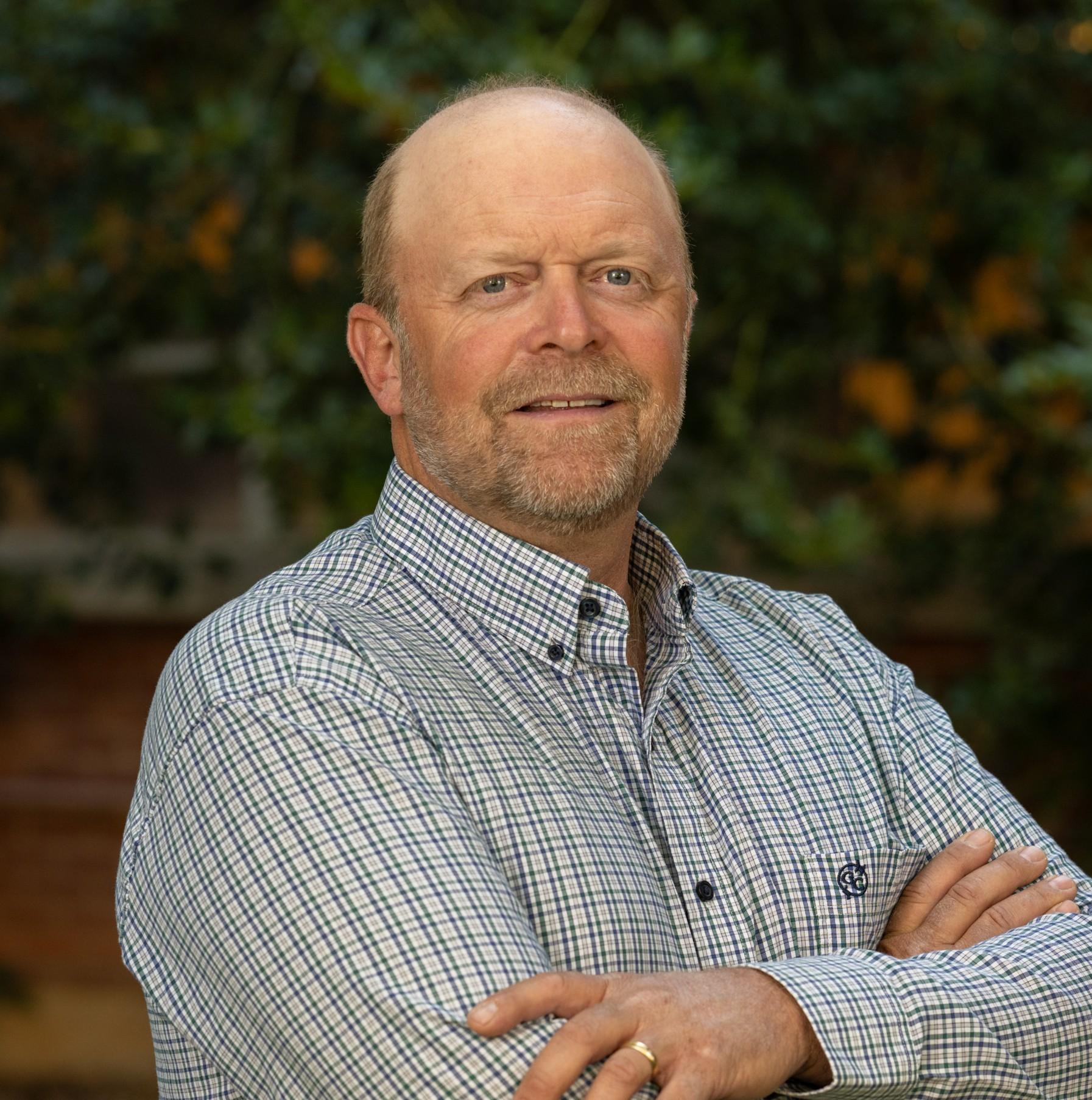
Dr. Paul Meiman joined Cooperative Extension and the Department of Agriculture, Veterinary and Rangeland Sciences at the University of Nevada, Reno in the fall of 2019. He is an Associate Professor of Rangeland Ecology and Management and the state Extension Specialist for Rangeland Livestock/Wildlife Interactions. Meiman is based in Elko, Nevada where he lives with his wife and daughter. Soon after arriving in Nevada, Meiman and colleagues initiated a project to study the use of virtual fencing on cattle grazing rangelands at 2 ranches in northeastern Nevada. Since then, he and colleagues have expanded work with virtual fence and also with GPS tracking ear tags on cattle from additional ranches in Nevada and California. Before moving to Nevada, Meiman was a member of the Forest and Rangeland Stewardship faculty at Colorado State University (2006 – 2019). His experience includes positions with the USDA Agricultural Research Service in Idaho, Colorado State University Cooperative Extension (Moffat County Extension Agent) and the University of Wyoming Department of Renewable Resources and Cooperative Extension Service (Statewide Extension Specialist for Rangeland Resources). He has worked extensively with land, livestock and natural resource managers throughout the west. His interests are closely related to, and have been influenced by on-the-ground interactions with ranchers, land and natural resource managers. Those interests include invasive plants, plant/herbivore interactions, livestock grazing management, succession, and riparian area management. He earned B.S. and M.S. degrees from the University of Wyoming and a Ph.D. from Colorado State University.
Speaking Topic:
Lessons Learned with Virtual Fencing and GPS Ear Tags