
House flies
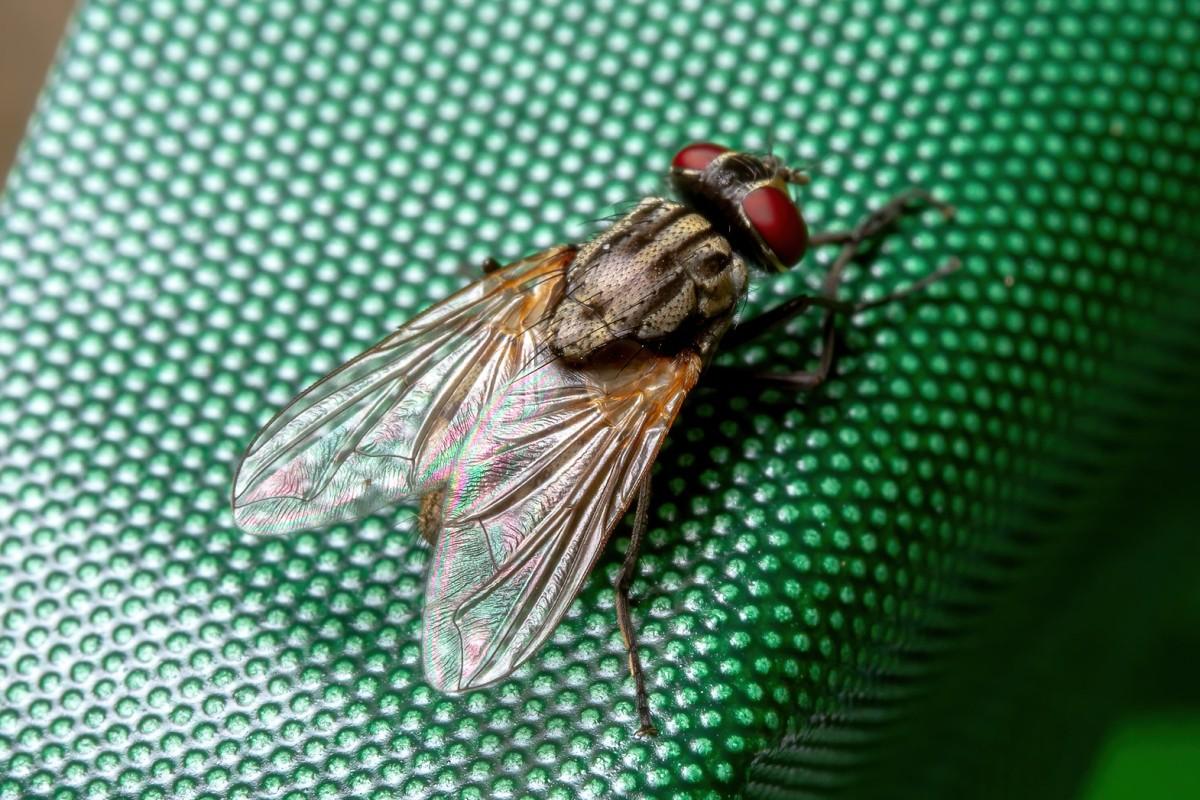
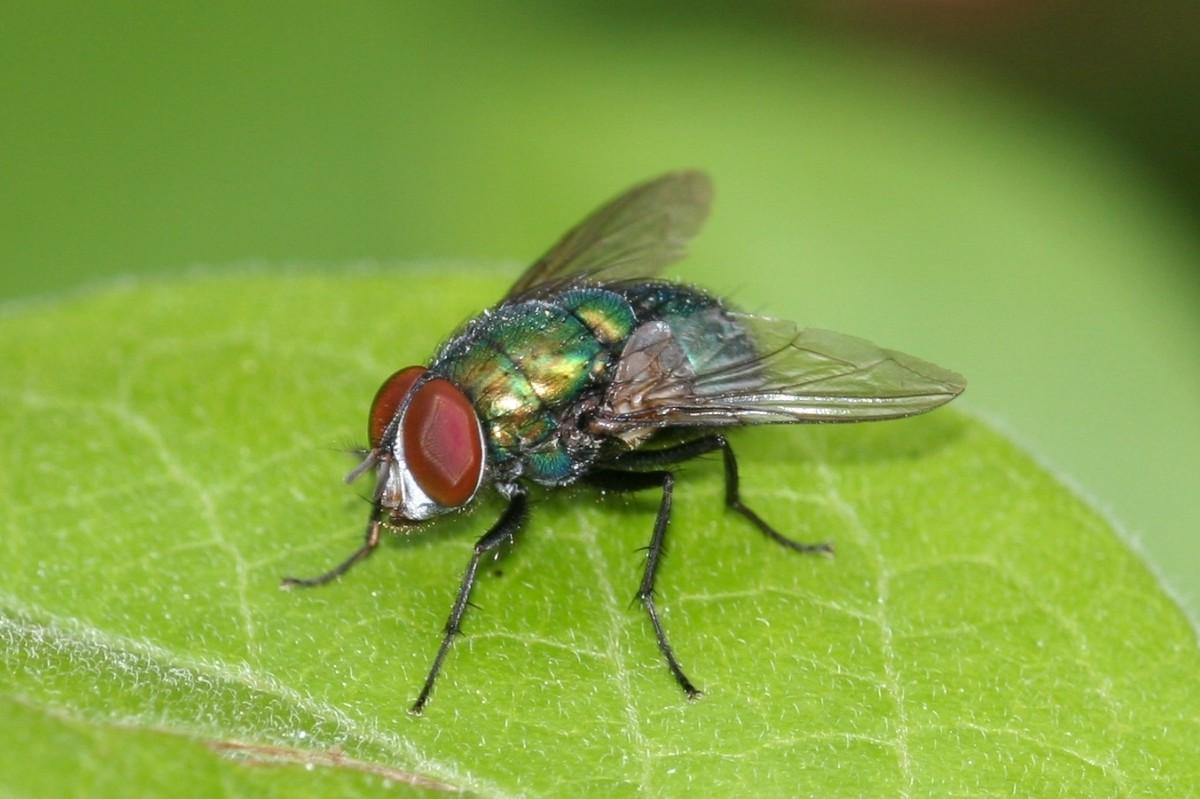
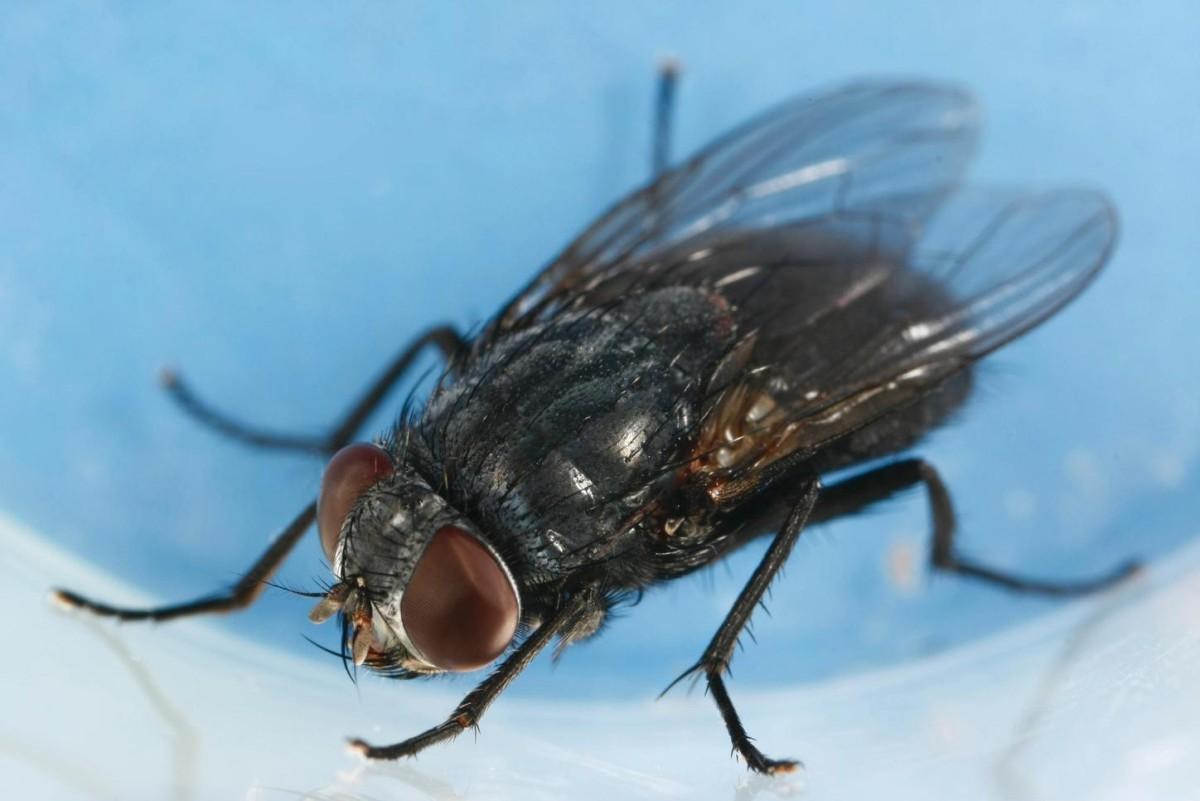
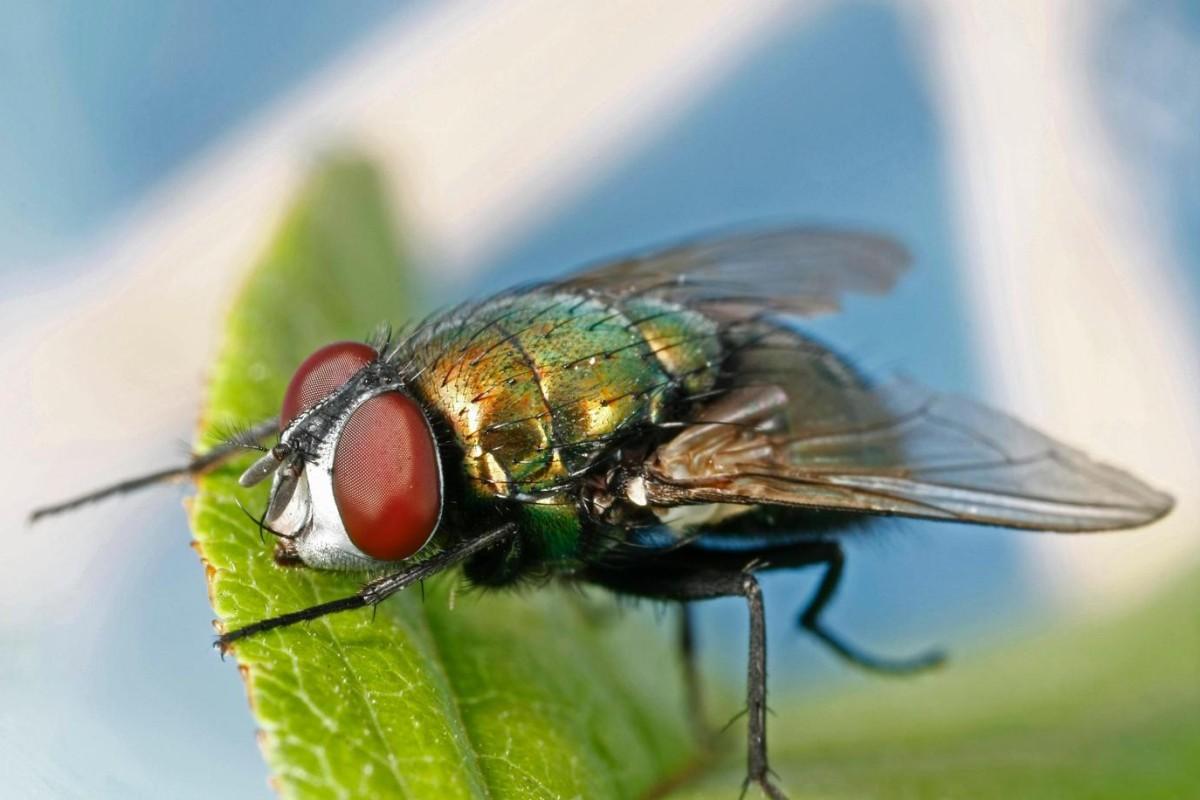
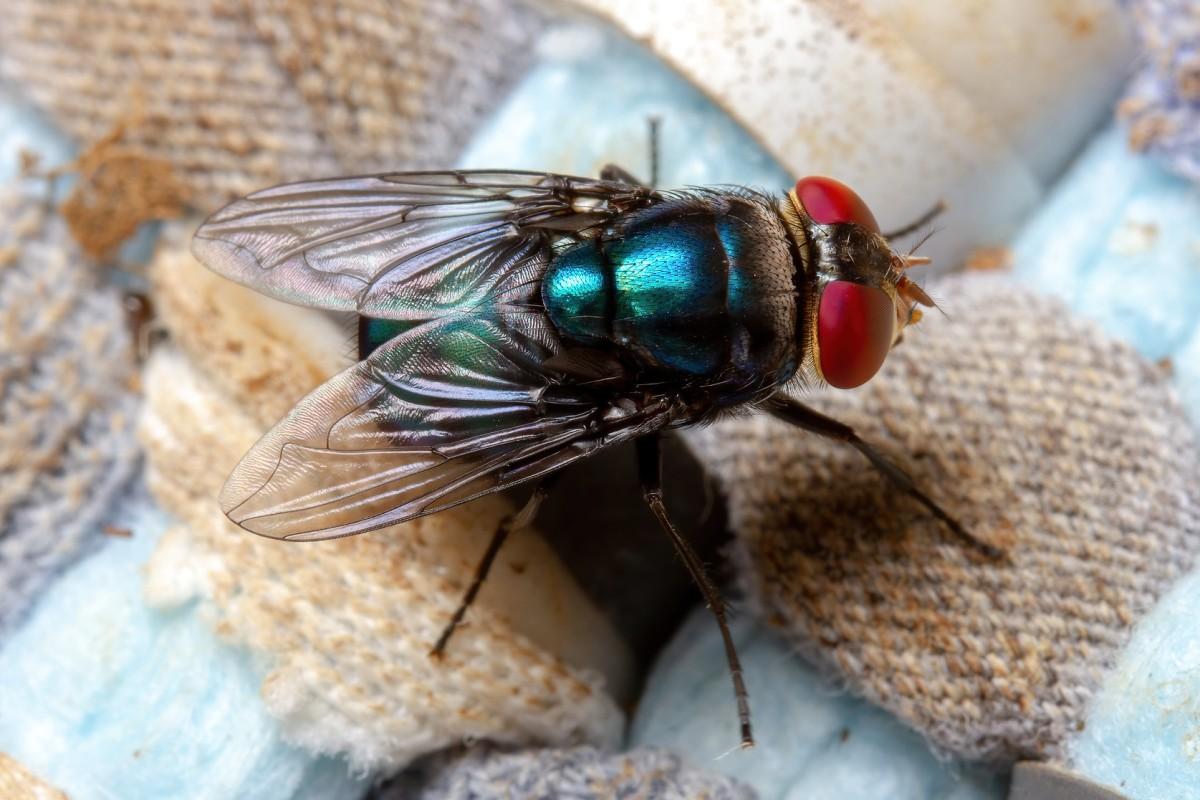
These are the most common fly found in and around homes.
- Adults are about ¼ inch long and dull gray in color.
- Larvae (maggots) are ¼ to 3/8 of an inch long when mature. They are whitish in color, have no eyes or legs, and taper towards the front (head end).
- Food sources are varied, and include excrement and human food.
- Adults use their mouthparts to liquefy food before ingesting it, and can mechanically transmit many disease pathogens.
- Egg-laying female flies will seek out any warm, moist material that has sufficient food for larval development.
House fly management
- Locate and eliminate larval breeding sites. Remove trash promptly or or secure trash by using cans with tight-fitting lids. Keep garbage cans as dry and clean as possible.
- To prevent adults from entering homes, secure window and door screens and look for gaps in weather-stripping that need repair. Seal all holes (gaps/cracks) and other entry points; make sure all vents are tightly screened.
- Adult flies can be trapped with baited fly traps or sticky fly tape.
- Insecticide spraying is generally not effective or recommended inside the home.