Skip to main content
Menu
Get Involved
Give
Contact
Ask Extension
About
Leadership
UMD Extension Impact
Careers
Directory
Civil Rights Compliance
Extension Advisory Council and Committees
Program and Organizational Development
Resources
Animal Agriculture
Plant Agriculture
Yard & Garden
Pests
Natural Resources
Environment & Energy
Agribusiness Management
Food & Nutrition
Health & Well-Being
4-H & Youth Education
Programs
4-H Youth Development
Family & Consumer Sciences
Agriculture & Food Systems
Environment & Natural Resources
Home & Garden Information Center
Locations
Publications
News & Events
All News
Events
Tree and Plant Biodiversity
Home
Resources
Tree and Plant Biodiversity
For full functionality of this site it is necessary to enable JavaScript. Here are
instructions for how to enable JavaScript in your web browser
.
Sort by:
Date
Title
Updated: June 12, 2025
Branching Out - Spring 2025
In this issue: With warmer weather comes a reminder to stay vigilant about woodland threats, and a look at the importance of pollen. There's an assessment of ghost forests in the region, plus a roundup of news you might have missed. Read about the pawpaw in our "Native Trees of Maryland" feature and about glossy buckthorn in our "Invasives in Your Woodland" feature. And more!
Updated: May 23, 2025
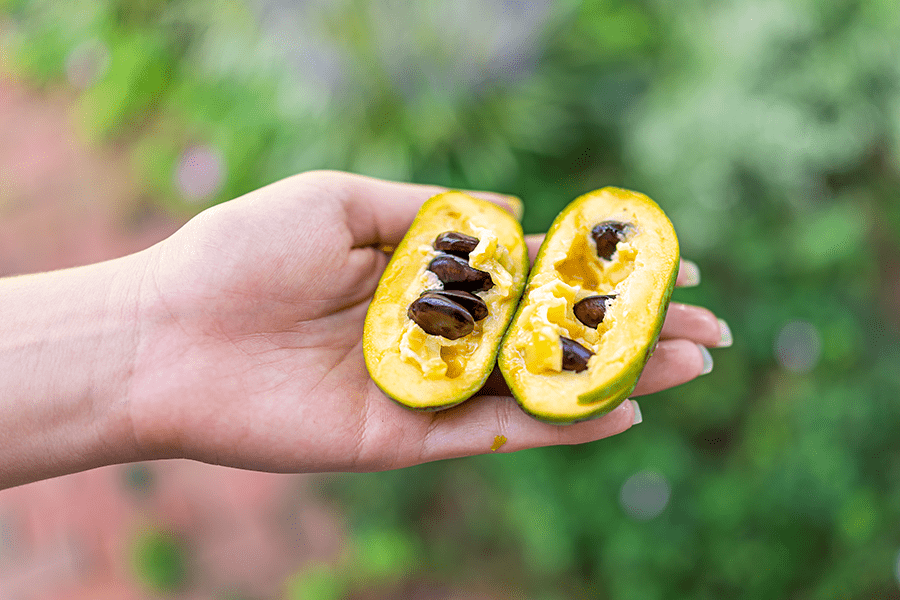
Native Trees of Maryland: The Pawpaw, Asimina triloba
Pawpaws, prized for their tasty fruits, produce the largest native fruit in North America. Their fruits contain high levels of essential amino acids. This small understory tree (10-40’ tall), might be a fun and fitting option for your backyard woods.
Updated: May 23, 2025
Branching Out Spring 2025 News and Notes
In the News and Notes roundup for this issue: A new book from Doug Tallamy provides 400+ answers to the question, "How can I help?"; the Virginia DOF announces a cost-share program to help protect against emerald ash borer; a University of Maryland team tests a drone system to detect and combat wildfires; and the MD Department of Transportation announced state funding to support tree plantings in 12 communities.
Updated: May 20, 2025
Branching Out - Winter 2025
In this issue: Check in on AI and its capacity to provide accurate and specific advice. Register for the spring session of our "The Woods in Your Backyard" course. Learn about a new national refuge in southern Maryland and about one couple's work on their natural areas. Read about Sugar Maple in our "Native Trees of Maryland" feature and about incised fumewort in our "Invasives in Your Woodland" feature. And more!
Updated: February 24, 2025
Branching Out Winter 2025 News and Notes
In the News and Notes roundup for this issue: The USDA Forest Service has released its latest tax tips for forest landowners guide; March 21 is the International Day of Forests; Maryland has passed 1 million trees planted during the Five Million Trees Initiative; and learn how to become a Maryland Tree Steward.
Updated: February 24, 2025
Invasives in Your Woodland: Incised Fumewort
The term “Incised fumewort” may not be familiar to many readers of this column, as this plant is a relatively new arrival to North America. It was first identified in the US only in 2005. Since then, new populations have been identified in Pennsylvania, Maryland, District of Columbia, Virginia, North Carolina, and as far west as Tennessee and Illinois.
Updated: February 24, 2025
From a Mountaintop, UMD Alum Encounters Toxin-Emitting Olive Bushes, Smothering Vines and the Imperfection of Conservation
Paula Whyman ʼ87 and her husband bought 200 acres on a peak in the Blue Ridge Mountains, where she undertook the daunting task of clearing invasive plants and encouraging native plant life on this long gone-to-seed cow pasture and orchard—an experiment she's written about in her new book, “Bad Naturalist: One Woman's Ecological Education on a Wild Virginia Mountaintop.”
Updated: February 24, 2025
New USFWS Refuge to Protect Woodland Habitat in Southern MD
In December 2024, US Secretary of the Interior Deb Haaland announced the creation of Southern Maryland Woodlands National Wildlife Refuge. The first donation of 31 acres from The Nature Conservancy is one of several planned over the coming months of more than 300 acres. USFWS officials will continue to work to secure voluntary conservation of up to 40,000 acres of important wildlife habitat within four watershed-based focus areas in Maryland.
Updated: February 24, 2025
Native Trees of Maryland: Sugar Maple, Acer saccharum
Sugar maples provide delicious maple syrup and quality hardwood used for everything from furniture to bowling alleys. The trees prefer to grow on noncompacted, fertile, moderately moist, well drained, slightly acid soils and is a common sight in the Appalachian Mountains to those in New England and Canada.
Updated: November 25, 2024
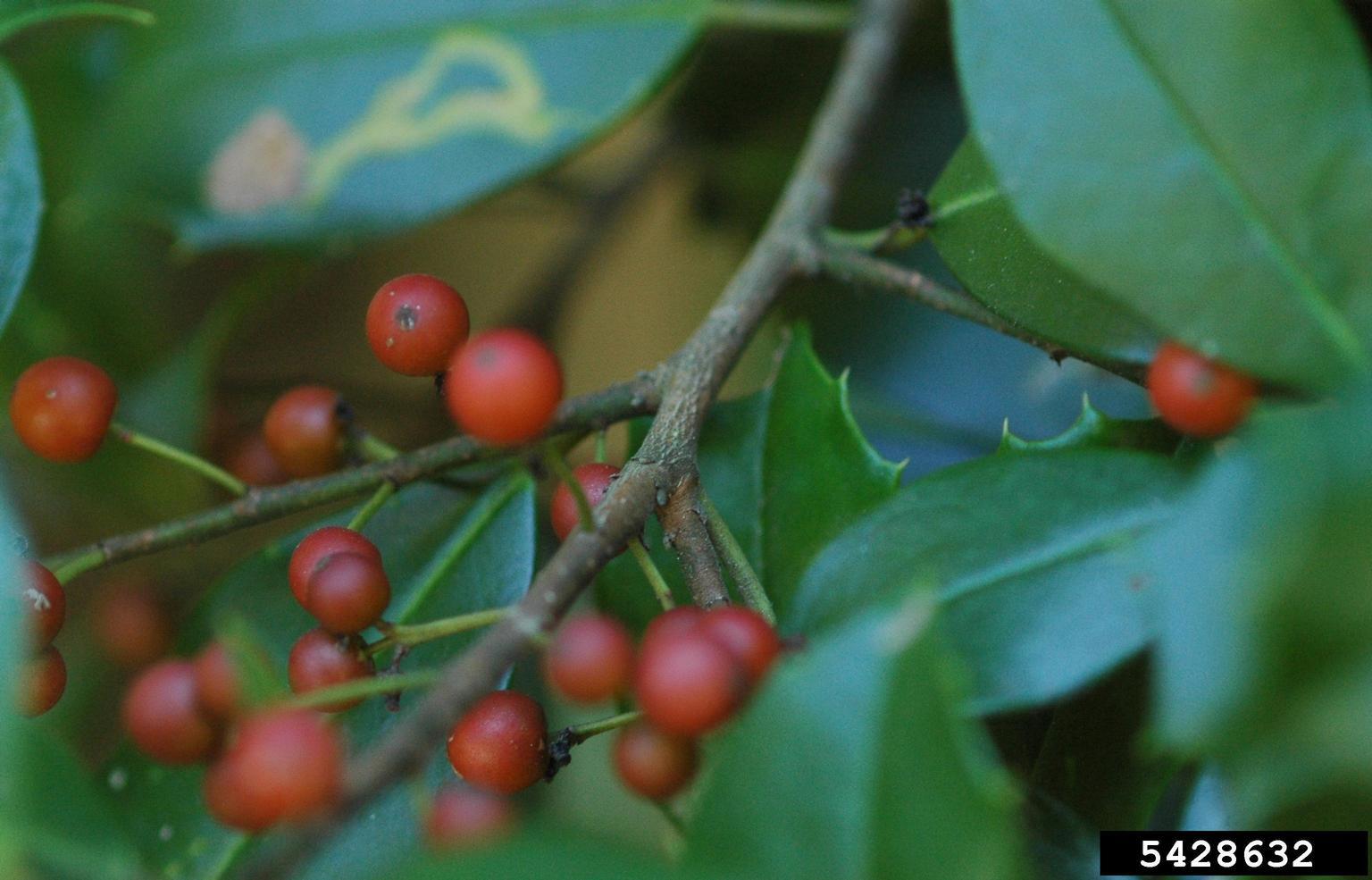
Native Trees of Maryland: American Holly, Ilex opaca
American holly, Ilex opaca, is a real show stopper of a tree especially during the winter holidays. Among other benefits, it is extremely valuable to wildlife, particularly, birds and migratory birds overwintering in the region.
First
Previous
Page
1
Current page
2
Page
3
Page
4
Page
5
Next
Last