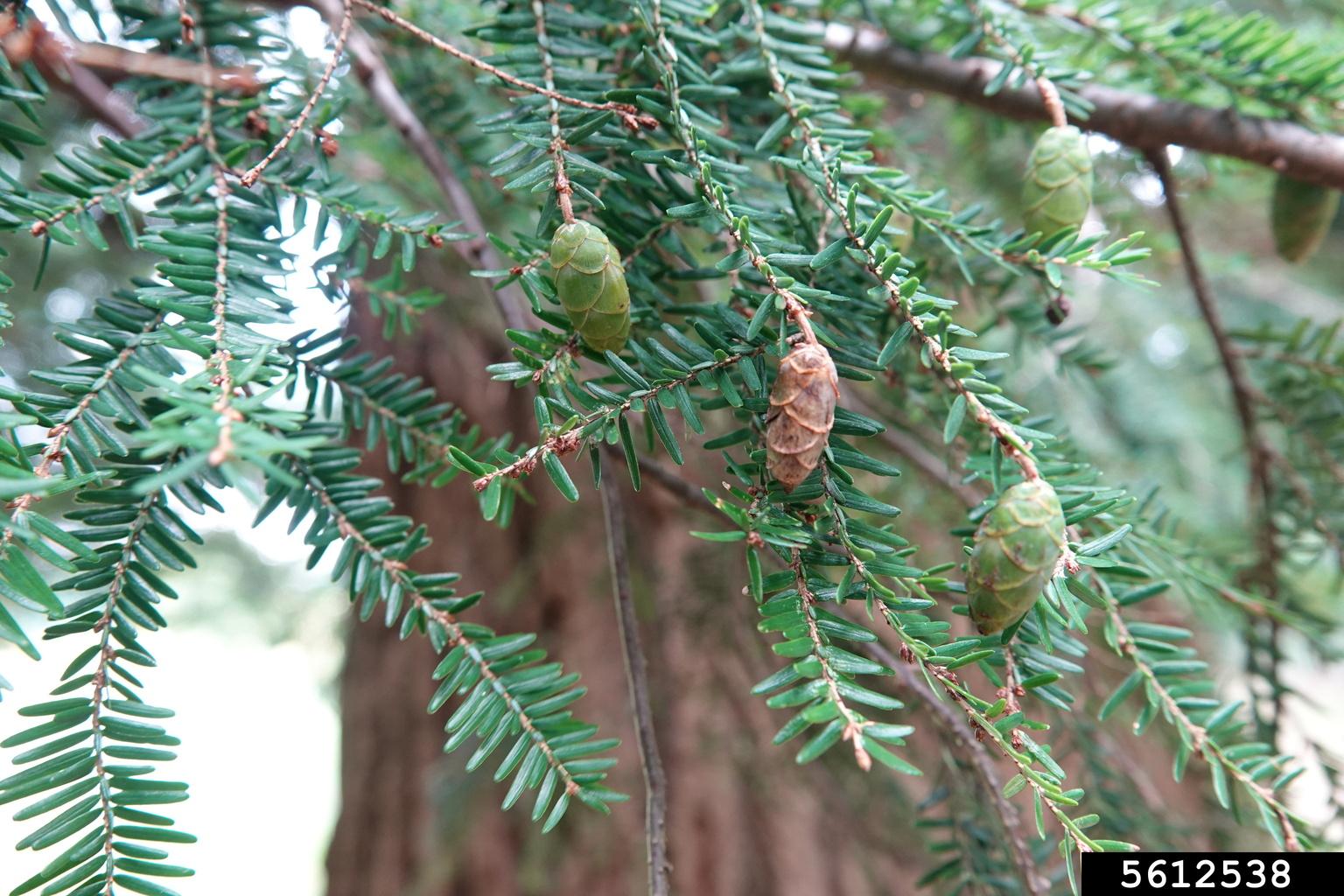
Small, dense cones and flat needles are characteristic of Eastern hemlock trees. Photo credit: Rebekah D. Wallace, University of Georgia, Bugwood.org

Small, dense cones and flat needles are characteristic of Eastern hemlock trees. Photo credit: Rebekah D. Wallace, University of Georgia, Bugwood.org

Updated: August 12, 2026
By Andrew Kling , and Daniel Pratson

In our Summer 2026 issue...

Read about the resilience of woodlands and why they need early successional habitat. Plus, registration for the fall session of our "The Woods in Your Backyard" course is now open.  Our "Native Trees of Maryland" looks at the Eastern Hemlock, and "Invasives in Your Woodlands" looks at creeping Jenny. And don't forget the events calendar and the Brain Tickler challenge.


Subscribe to Branching Out

Download your copy (PDF)

Resilience

 Andrew A. Kling, Branching Out editor

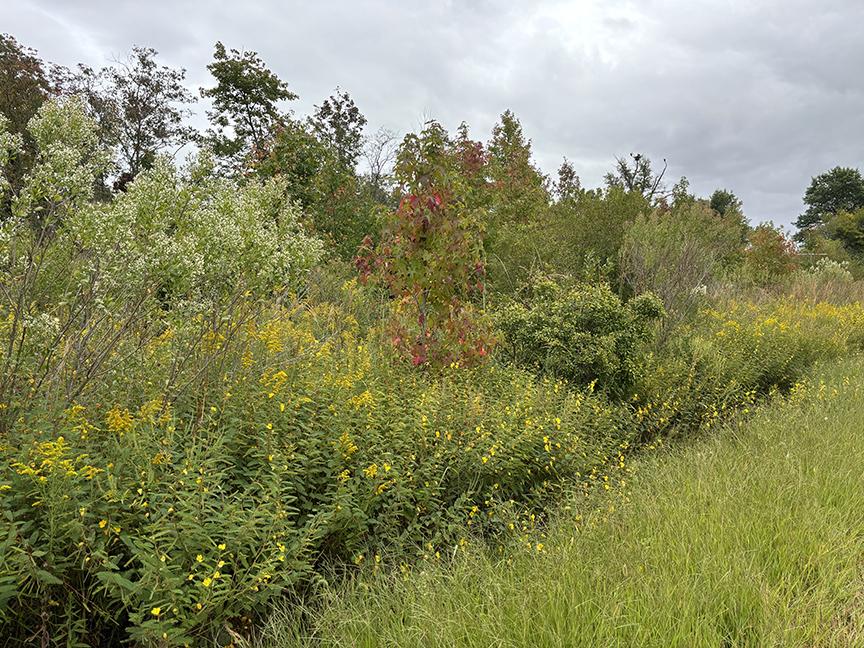
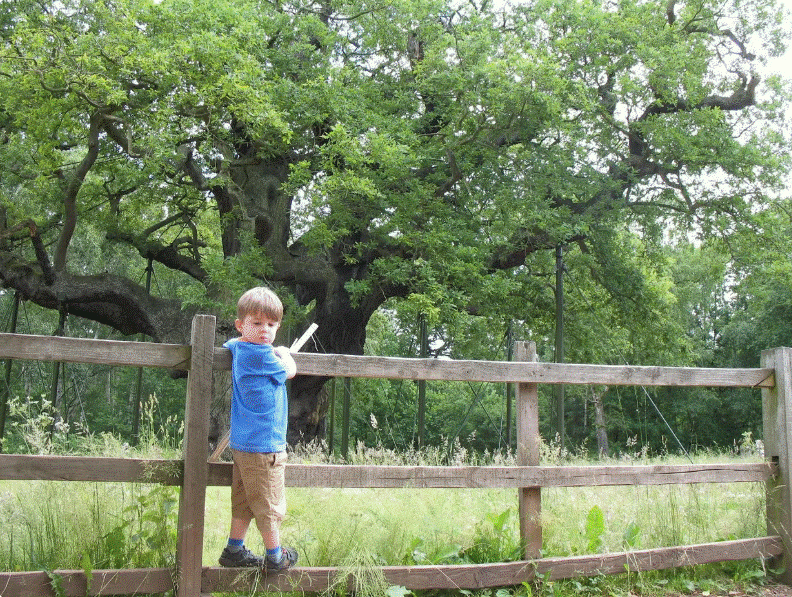
Trees are resilient. In the face of natural events – drought, floods, lightning, wildfires, tropical storms, and tornados, to name a few – woodlands can rebound from such challenges with persistence. But sometimes they need help.

Learn more >>

Registration is Now Open for the Fall Session of “The Woods in Your Backyard” Online Course

Registration is now open for the Fall 2026 session of “The Woods in Your Backyard” online course. Our course is designed primarily for small-acreage property owners who want to learn how to care for or expand existing woodlands, or to convert lawn space to woodlands. 

Learn more >>

Want a Thriving Young Forest? Build Some Brush Piles

Young Forest Initiative

Brush piles attract and help wildlife. Easy-to-build brush piles boost the cover quality of young forest and shrubland. Wildlife use them for nesting, resting, escaping from predators, keeping cool during hot weather, and staying warm and dry when it’s cold and stormy

Learn more >>

Native Trees of Maryland: Eastern Hemlock (Tsuga canadensis)

Daniel Pratson

Eastern hemlock trees grow well in shaded conditions, so they are more commonly found in later-successional, mature forests. Hemlocks take about 250-300 years to reach maturity; scientists have found individuals that have persisted for 800 years or longer. These trees prefer moist growing conditions, so they are often found along forested streambanks.

Learn more >>

Planting Small Trees and Shrubs to Expand Early Successional Habitat

Daniel Pratson

Early successional habitat, which is characterized by open canopy conditions and mixtures of young trees, shrubs, and grasses, plays a critical role in many wildlife species’ life cycles, but accounts for only a fraction of the total terrestrial habitat across Maryland and has declined as forests mature. Consider creating these habitats in your next planting project.

Learn more >>

Invasives in Your Woodland: Creeping Jenny

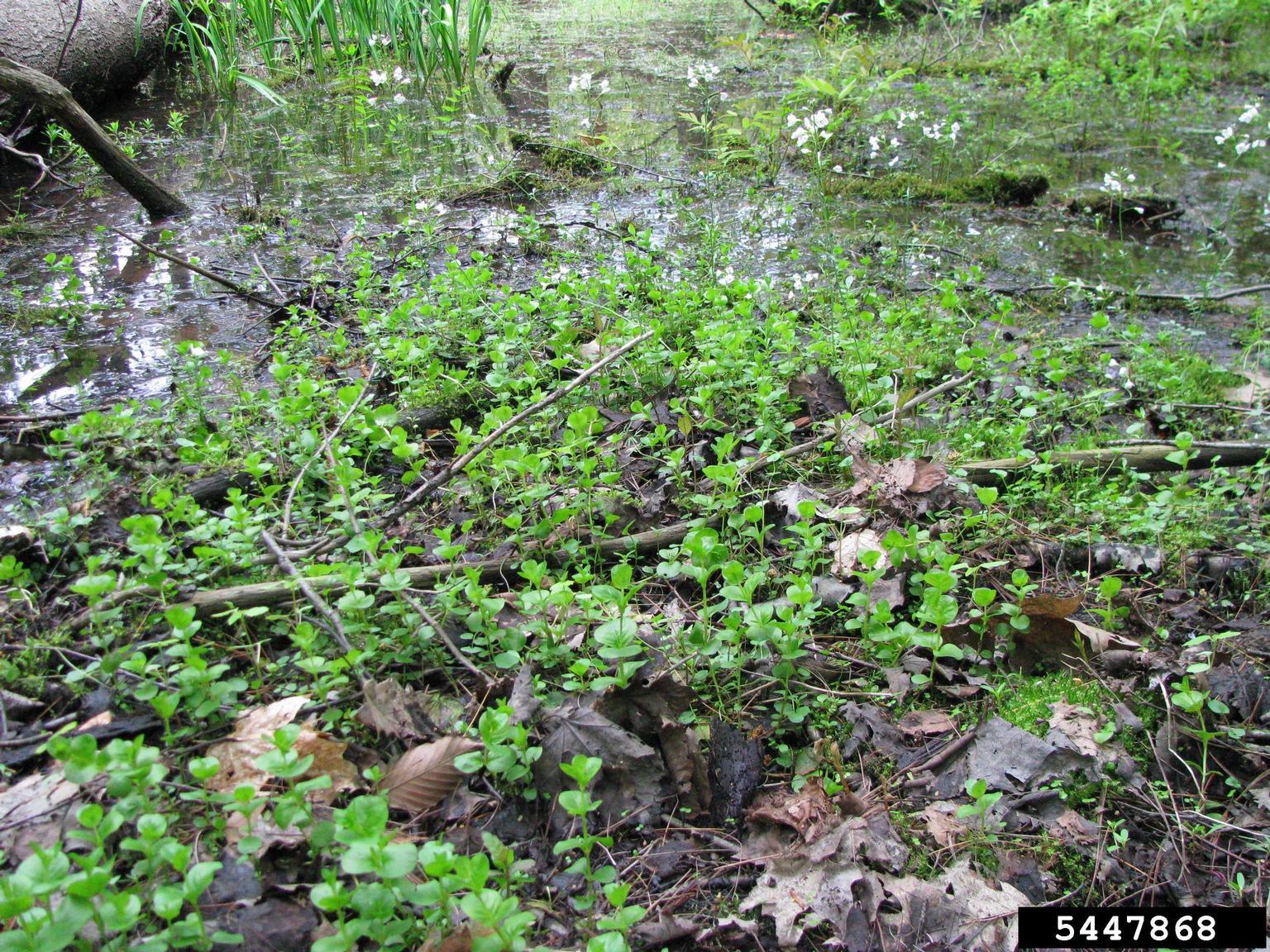
As is the case with a considerable number of invasive species in North America in general and Maryland specifically, creeping Jenny has become naturalized in ecosystems across the continent. Although it only grows a few inches high, the stems branch out up to six feet and can cause thick mats that displace native species.

Learn more >>

Events Calendar

August 20, 2026
Identifying & Managing Invasive Plants in Your Woodland
Wyre Research & Education Center, Queenstown MD

This hands-on workshop combines classroom and field work to share techniques for dealing with invasive species and promoting healthy native plant communities. More information is available at https://go.umd.edu/ID-Workshop.


September 12-13, 2026
Maryland Native Plant Society 2026 Annual Conference
University of Maryland, College Park MD
Discover the unique landscapes of Maryland’s Piedmont and Western Coastal Plain from globally rare ecosystems such as magnolia bogs to the resilient and prevalent oak-hickory forests. Visit https://mdflora.org/fall-conference for more information and to register.


September 17-18, 2026
Appalachian Forest Discovery Summit
Elkins, WV
Presented by the Appalachian Forest National Heritage Area. This annual summit brings together stakeholders who share an interest in the unique natural and cultural resources centered on the highland forests of WV and western MD. The goal is to foster collaboration, share best practices, and inspire new ideas for the continued support and growth of the region. Learn more at https://www.appalachianforestnha.org/2026-discovery-summit


October 23-25, 2026
Gather to Grow Forest Farming Conference
The Inn at Virginia Tech, Blacksburg, VA

The conference will feature learning networking, and growing with the community surrounding botanicals, mushrooms, syrups, and decorative products in Appalachia. More information is available at https://www.appalachianforestfarmers.org/gather-to-grow

Branching Out, Vol. 34, no. 3 (Summer 2026)

Branching Out is the free, quarterly newsletter of the Woodland Stewardship Education program. For more than 30 years, Branching Out has kept Maryland woodland owners and managers informed about ways to develop and enhance their natural areas, how to identify and control invasive plants and insects, and about news and regional online and in-person events.

Subscribe