
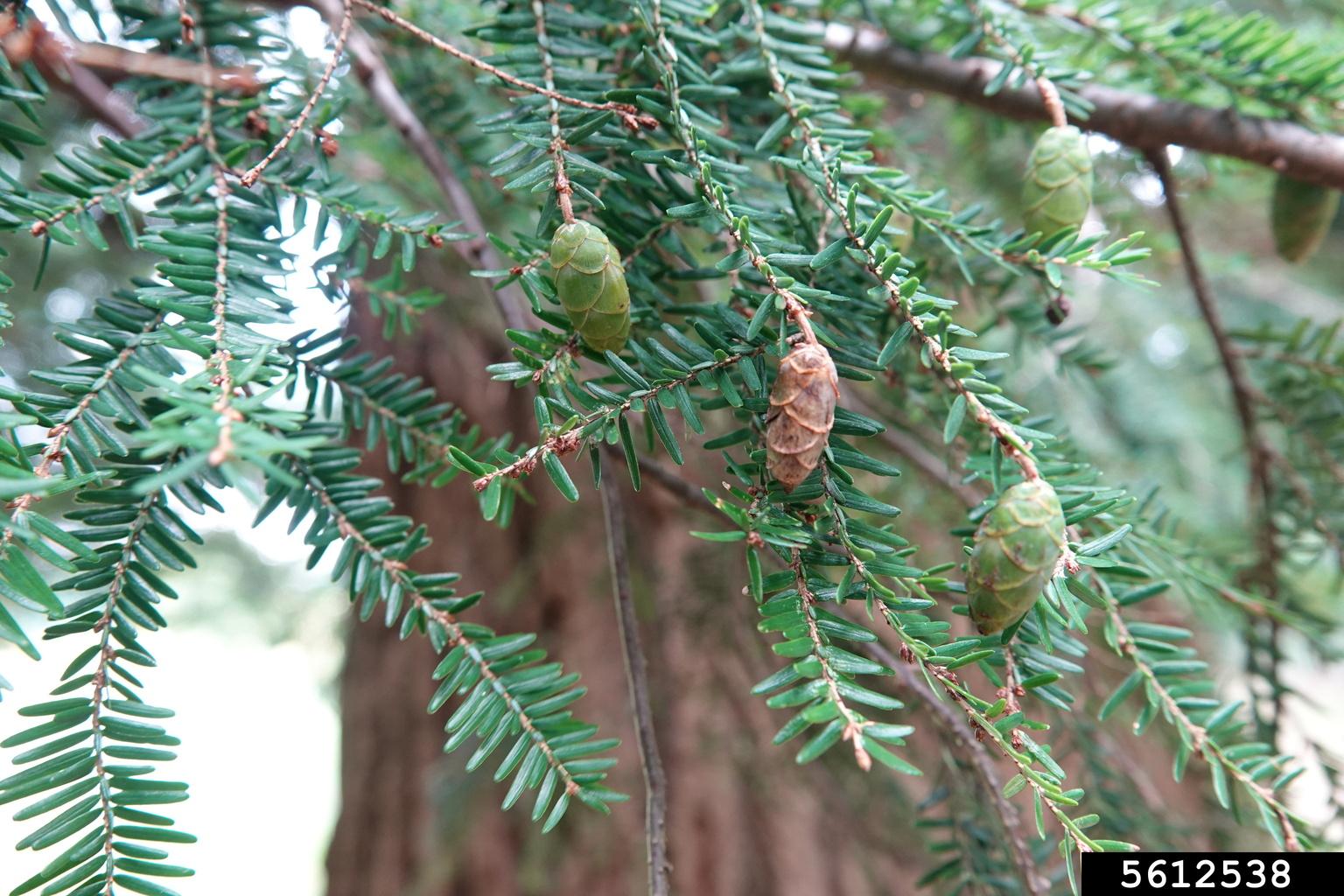
While preparing for this column, I realized that we, the contributors to Branching Out, have not featured a conifer species in our “Native Trees of Maryland” spotlight. So, please welcome the long-lived Eastern Hemlock (Tsuga canadensis) as our first featured conifer!
Eastern hemlock trees grow well in shaded conditions, so they are more commonly found in later-successional, mature forests. Hemlocks take about 250-300 years to reach maturity; scientists have found individuals that have persisted for 800 years or longer. These trees prefer moist growing conditions, so they are often found along forested streambanks. Eastern hemlocks are friends to brook trout – their dense, flat needles help regulate stream temperatures, keeping them cool and oxygenated. Thick stands of hemlocks provide excellent bedding areas for deer, and dozens of other bird and small mammal species are closely associated with forest stands dominated by hemlock trees.
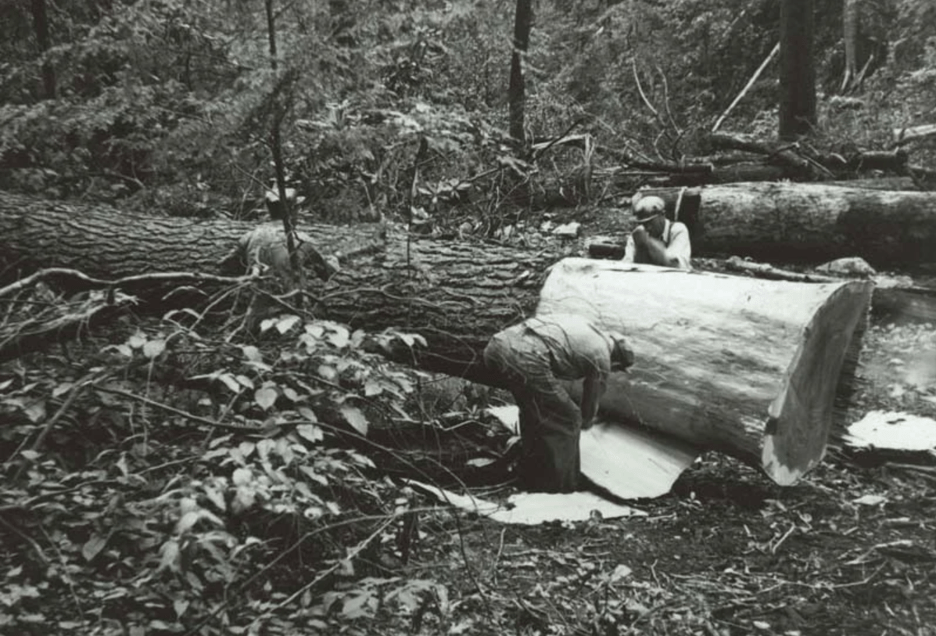
Eastern hemlocks are more common in forests in Western Maryland, but they occur statewide. The Youghiogheny Grove Natural Area at Swallow Falls State Park in Garrett County hosts a 37-acre stand of more than 300-year-old hemlocks that is readily accessible to visitors. The tannins found in the bark of Eastern hemlocks were once highly valued by the county’s leather industry; wood from hemlocks is currently used for railroad ties, timber framing, and pulp and paper production.
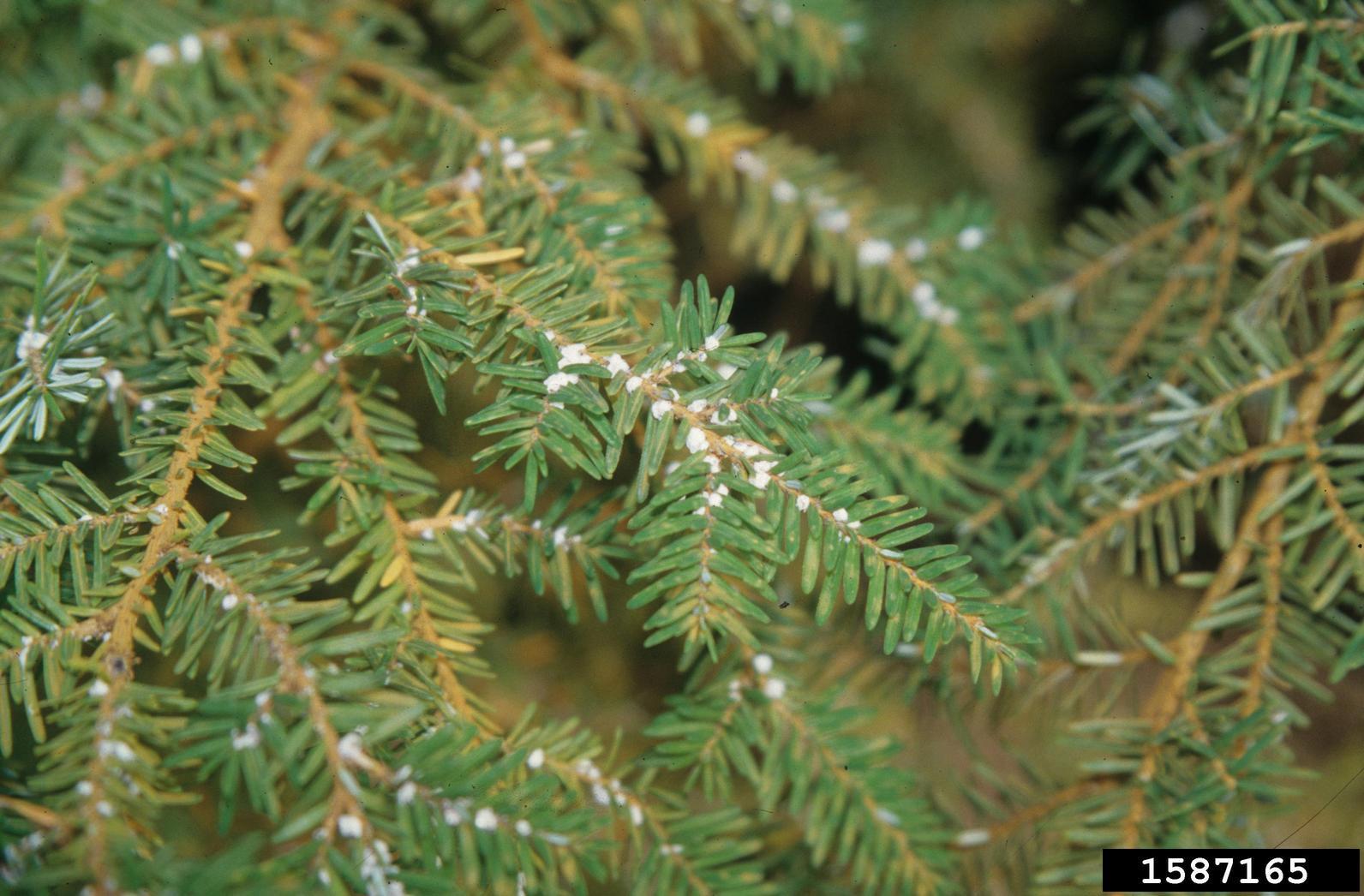
Eastern hemlock trees are currently listed as a “near threatened” species because of the widespread infestation of hemlock wooly adelgid (HWA; Adelges tsugae). These insects infest stands of hemlock trees, suck their sap, and inject toxins into the trees, killing healthy individuals over the course of a few years. In addition to treating individual trees with insecticides, scientists and land managers have turned to utilizing natural predators of HWA, generally, different types of beetles, to help control forest-scale outbreaks.
Despite these threats, Eastern hemlock remains one of Maryland’s most distinctive native trees. Efforts to monitor and manage this species will play an important role in maintaining the ecological character of many Maryland forests.